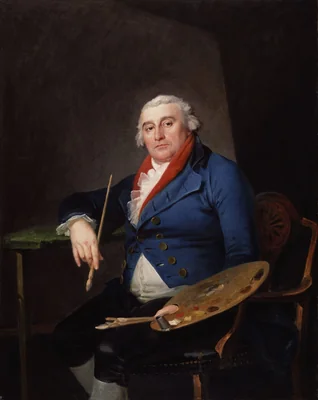
Philippe-Jacques de Loutherbourg
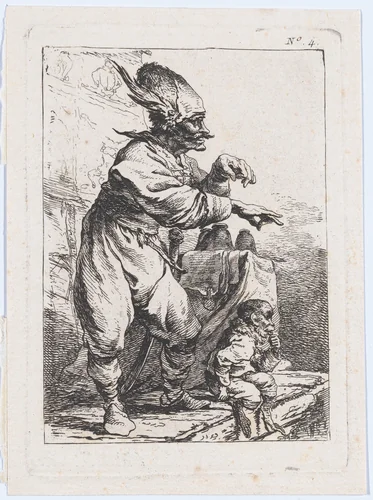
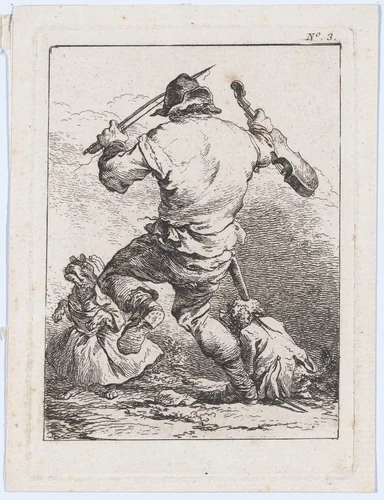
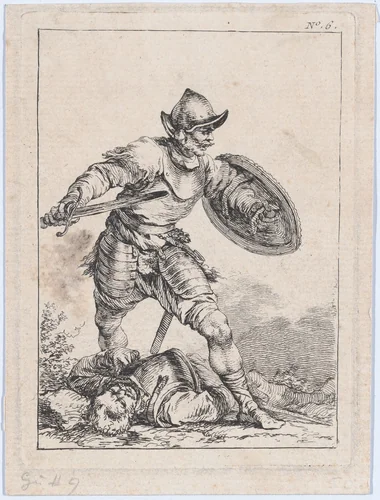
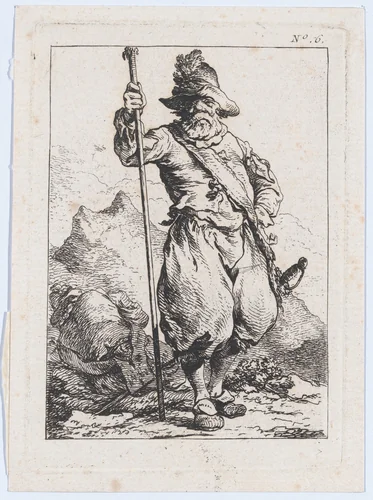
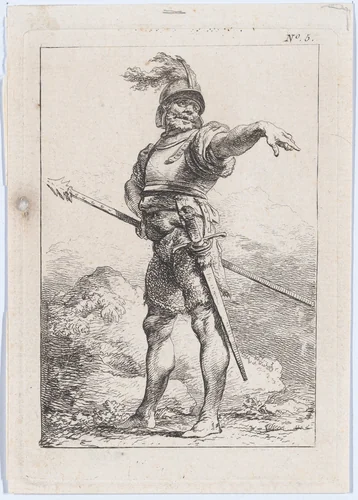
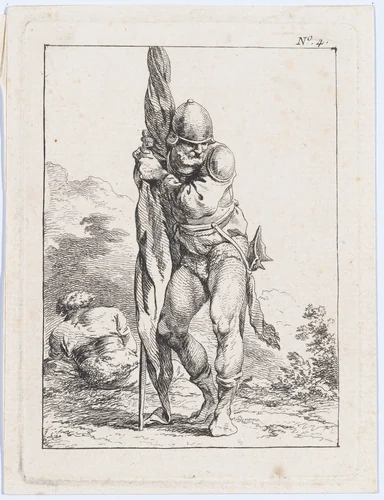
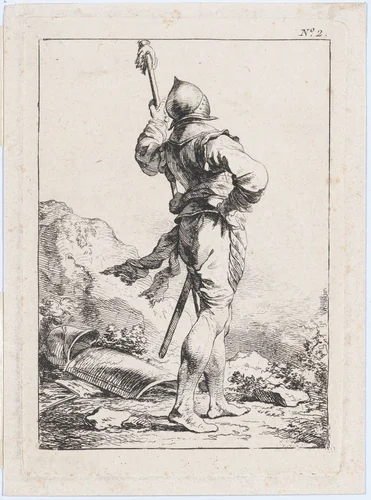
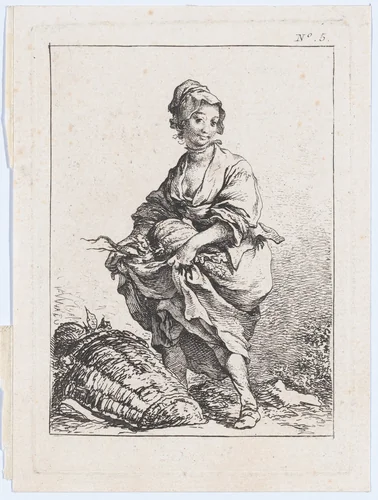
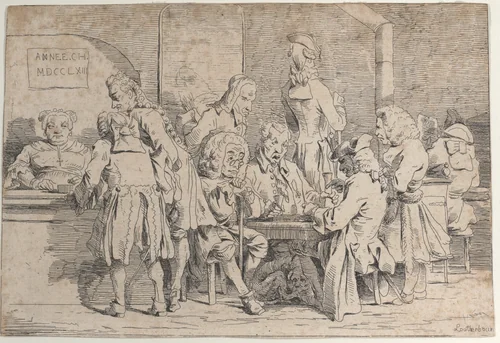
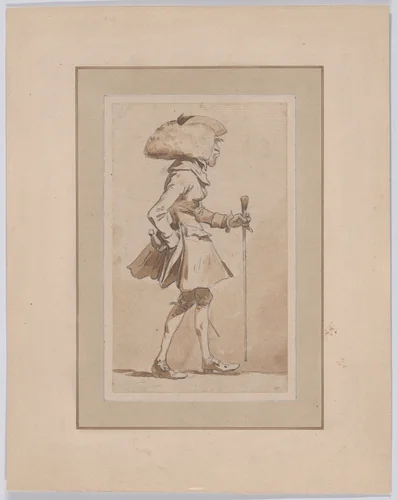
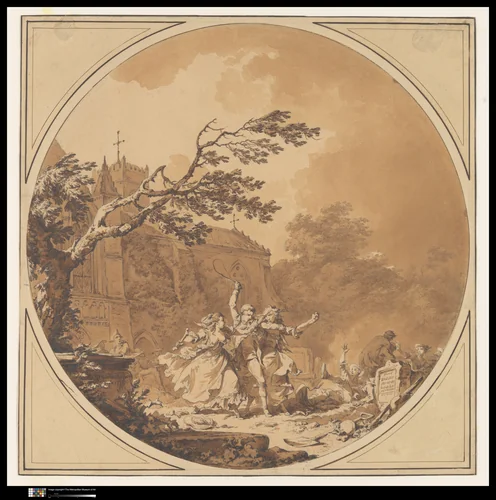
Philippe-Jacques de Loutherbourg (1740-1812), known professionally as Philip James de Loutherbourg, RA, was a pivotal figure in late 18th-century British art and spectacle. Born in Strasbourg, he emigrated to London and rapidly established a significant reputation that spanned traditional painting, ambitious theatrical design, and technological innovation. His output was prolific, encompassing historical subjects, military engagements, and detailed scenes of daily life, such as his notable works A Performer on a Stage with a Monkey and Dancing Man, Holding a Violin, Seen from Behind.
De Loutherbourg is best remembered for the immense dynamism he brought to canvas, particularly in his large-scale naval works, which captured the drama and chaos of maritime conflict with unprecedented vigor. Concurrently, he revolutionized the visual experience of the London stage. His elaborate set designs transformed theatrical illusion, moving beyond static backdrops to incorporate sophisticated lighting effects and mechanical elements that dramatically enhanced atmosphere and realism. This expertise in immersive visual environments culminated in his most celebrated invention: the "Eidophusikon." This miniature mechanical theatre presented moving landscapes and atmospheric phenomena, essentially offering the public an 18th-century precursor to cinema.
Beyond the academy and the stage, de Loutherbourg maintained a distinctive interest in the esoteric. His involvement in faith-healing and the occult, and his association with the controversial confidence-trickster Alessandro Cagliostro, lends an intriguing subplot to an otherwise conventional artistic career. This duality of scientific realism and spiritual speculation characterizes the era in which he worked, positioning him as an artist equally adept at illustrating the tangible and conjuring the illusory.
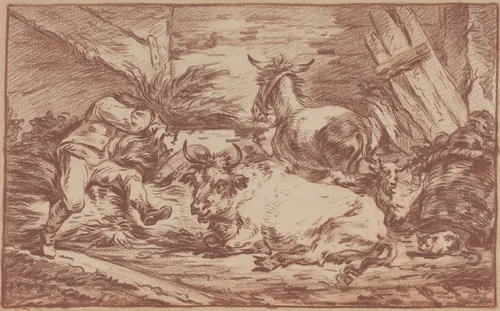
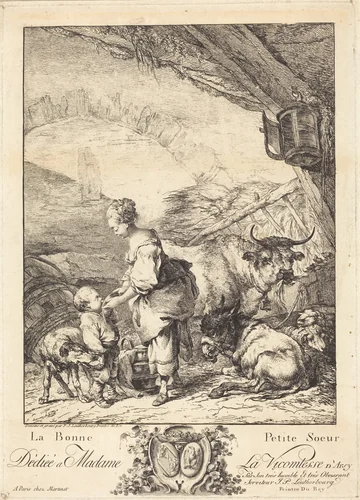
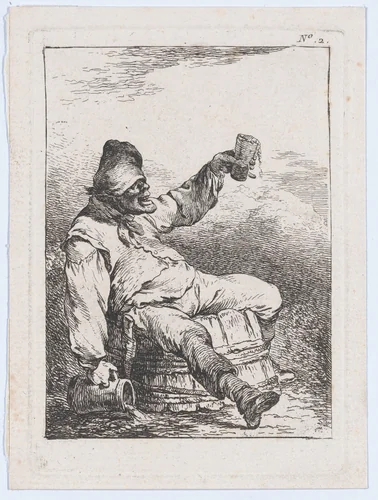
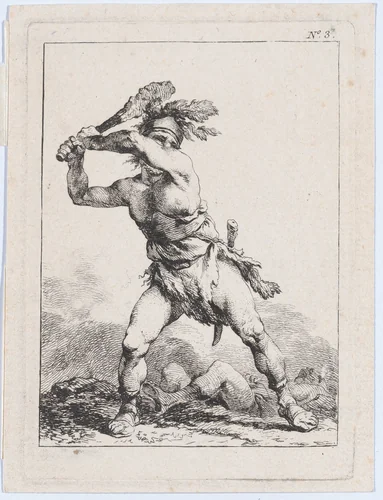
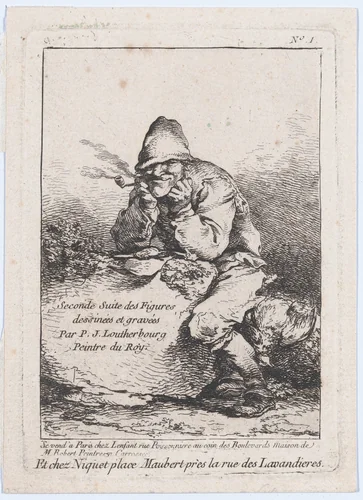
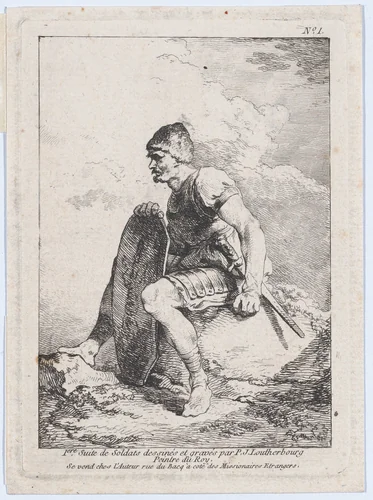
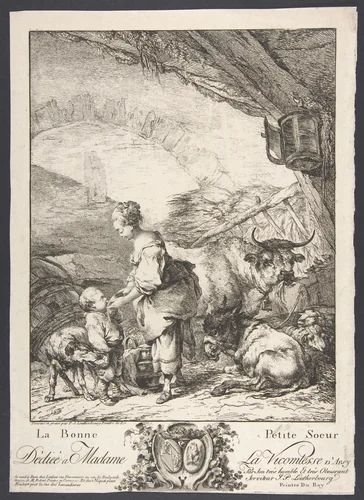
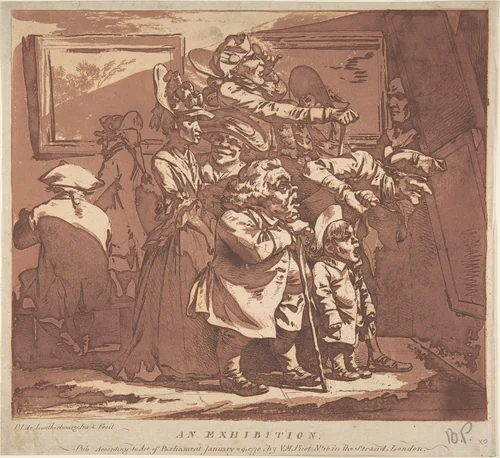
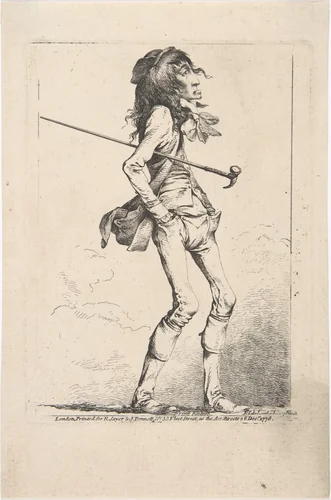
Today, his artistic legacy is preserved in major institutions including the Metropolitan Museum of Art and the National Gallery of Art. A substantial body of his work, including high-quality prints like Animals in a Stable and La bonne petite soeur, resides in the public domain, offering researchers and enthusiasts royalty-free access to the detailed draftsmanship that underpinned his grand compositions. The availability of these Philippe-Jacques de Loutherbourg prints ensures continued appreciation for an artist whose impact stretched from the Royal Academy walls to the dark, immersive magic of the commercial theatre.
Source: Wikipedia · CC BY-SA 4.0