Philippe de Champaigne
Philippe de Champaigne (1602-1674) was a foundational figure in seventeenth-century French painting, a pivotal exponent of the nation’s emergent Baroque style. Born in Brussels, Brabant, he successfully transitioned to Paris, where he secured an indelible position in the artistic establishment. His historical significance is confirmed by his role as a founding member of the Académie royale de peinture et de sculpture, the premier institution governing artistic production in the Kingdom of France.
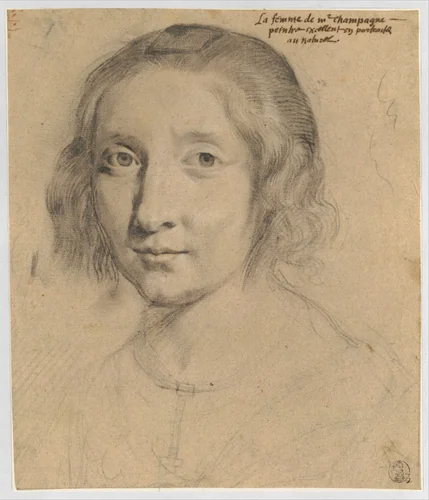
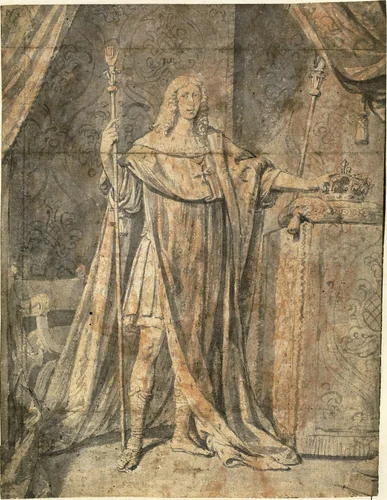
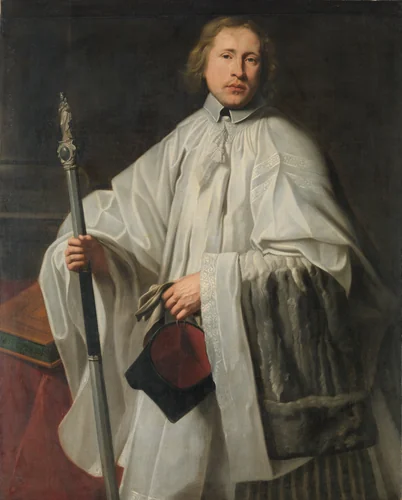
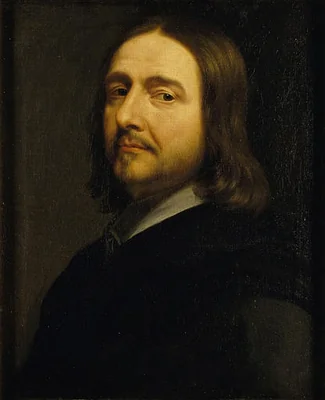
Operating actively between 1610 and 1665, Champaigne developed a rigorous style characterized by emotional restraint and masterful clarity, which often lent a grave sobriety to his subjects. Though identified firmly with the French School, his Brabant origins subtly informed his meticulous technique; he fused the precision of Northern realism with the classical discipline favored by his Parisian patrons. He was renowned for his portraits, which captured the often-austere solemnity of the court, most notably the official Portrait of Louis XIII and the intimate study of Portrait of Charlotte Duchesne. He possessed a rare ability to elevate official formality without sacrificing psychological depth, a necessary talent when navigating the intricacies of French aristocratic portraiture.
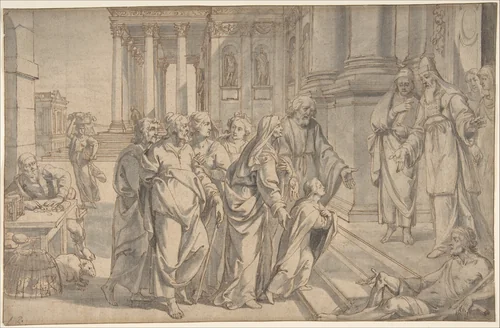
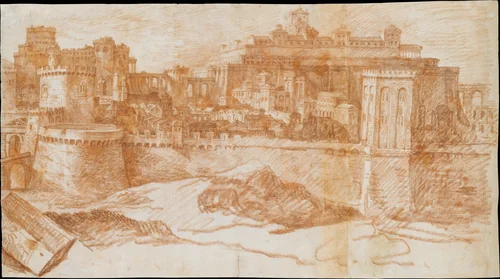
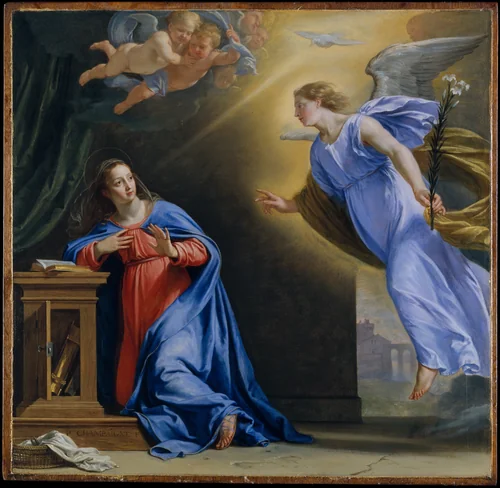
Champaigne's mastery extended equally across religious and historical subjects. His compositional range is evident in works spanning from the theological drama of The Annunciation to the stately, detailed historical setting depicted in View of Jerusalem with the Temple of Solomon. The works reveal an artist dedicated to clarity of narrative and execution.
Today, Champaigne’s enduring influence on academic painting is undeniable. His collected output of four drawings and nine recorded paintings demonstrates the high standards of production required during this era. Major institutions, including the Art Institute of Chicago, the National Gallery of Art, and the Cleveland Museum of Art, house significant examples of Philippe de Champaigne paintings. Recognizing the importance of this historical output, many of his pieces have entered the public domain, making high-quality prints and downloadable artwork widely accessible for serious study and appreciation, ensuring his legacy continues far beyond the confines of the seventeenth century.
Source: Wikipedia · CC BY-SA 4.0