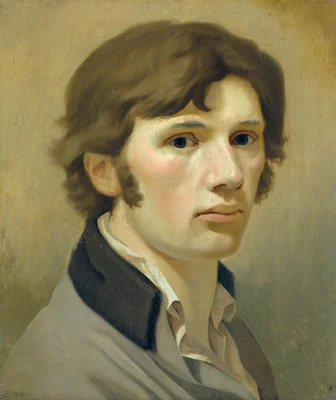
Philipp Otto Runge
Philipp Otto Runge (1777-1808) stands as one of the pivotal figures of the German Romantic movement, often considered alongside Caspar David Friedrich. Though his active career spanned barely a decade, his influence was profound, successfully bridging sophisticated intellectual thought and deeply layered visual symbolism in a way few contemporaries managed. Runge was a multi-faceted talent: a draftsman, painter, and sophisticated color theorist.
He was uniquely positioned at the intersection of philosophy and art. Runge possessed a brilliant mind, demonstrated by his prolific correspondence with a wide network of leading figures including Johann Wolfgang von Goethe, Henrik Steffens, and Ludwig Tieck, suggesting he valued sustained intellectual discourse as highly as the application of paint to canvas. Art historians frequently note his thematic parallels with the English visionary William Blake, yet Runge’s short and intensely focused tenure makes direct comparison of their careers delightfully difficult.
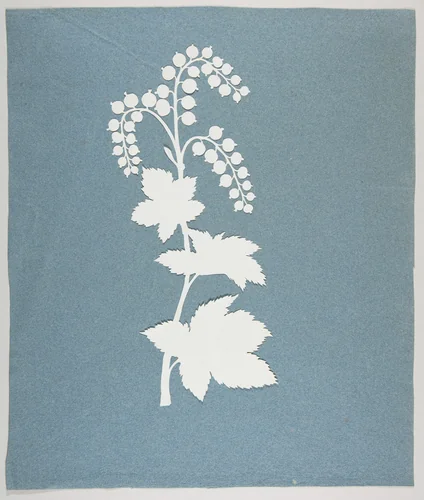
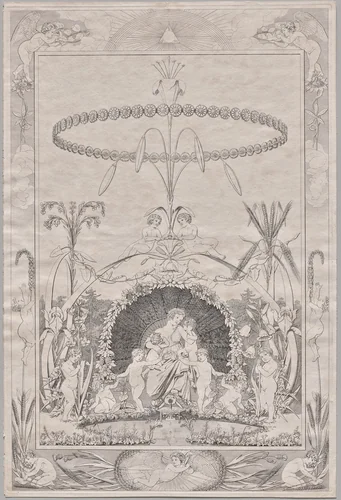
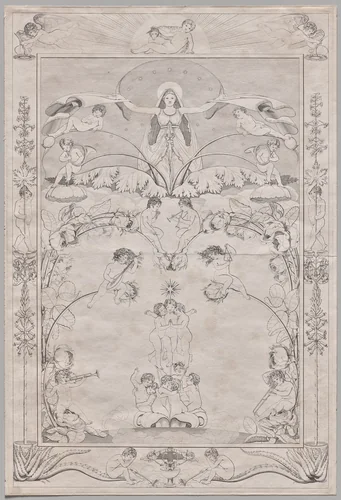
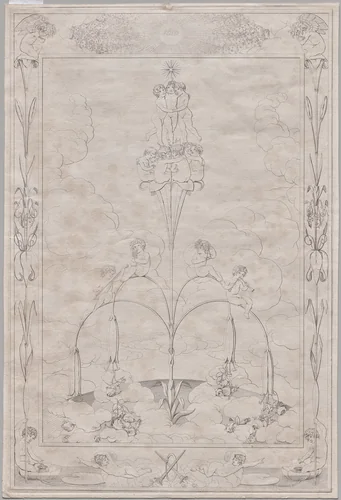
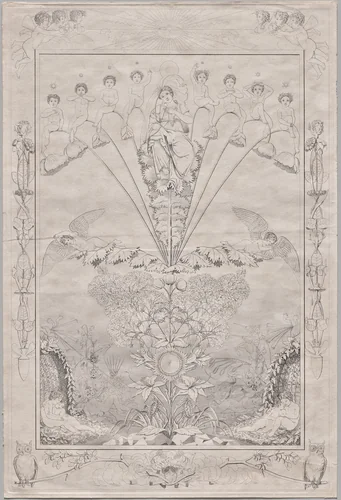
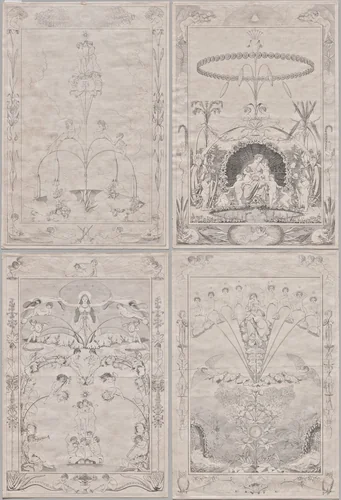
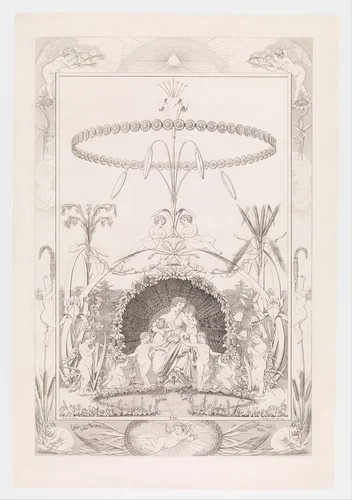
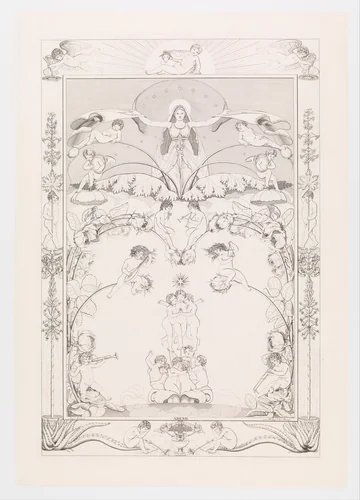
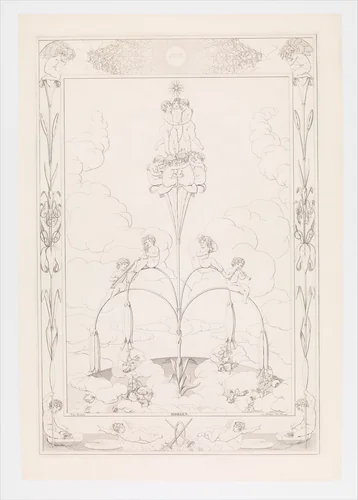
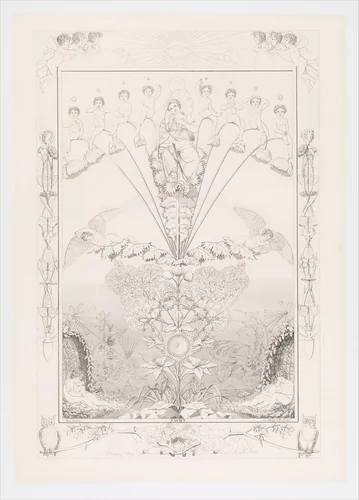
The core of Runge’s ambition lay in his monumental and ultimately unrealized project, Tageszeiten (The Times of Day). For eight years he meticulously planned these four vast, allegorical paintings, each measuring 50 square meters, intended as only part of a larger Gesamtkunstwerk encompassing architecture, poetry, and music. His artistic goal was revolutionary: to discard traditional Christian iconography in European art and forge a new visual language for spiritual values rooted in landscape and pure symbolism. The surviving preliminary studies and prints, such as Day and Evening, offer powerful glimpses into this intended cosmological vision. As one historian observed, Runge’s project was a direct attempt to present contemporary philosophy within the structure of fine art. Viewers exploring Philipp Otto Runge paintings often encounter this density of allegory, evident even in the concentrated symbolism of works like Red Currant or Lilac.
Beyond painting and drawing, Runge made a significant theoretical contribution with his influential volume on color theory, Sphere of Colors (1808), published in the year of his death. Though his life was cut short, the intellectual intensity embedded in his works, many now available through the public domain, guarantees his stature, allowing for high-quality prints of his seminal designs to circulate globally.
Source: Wikipedia · CC BY-SA 4.0