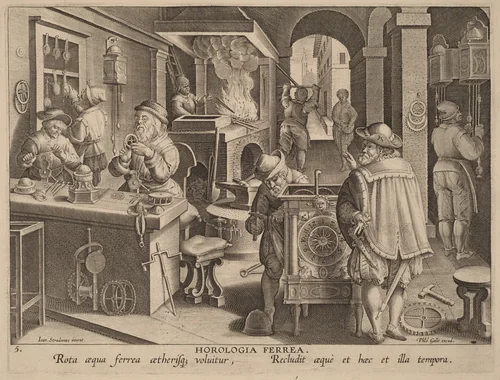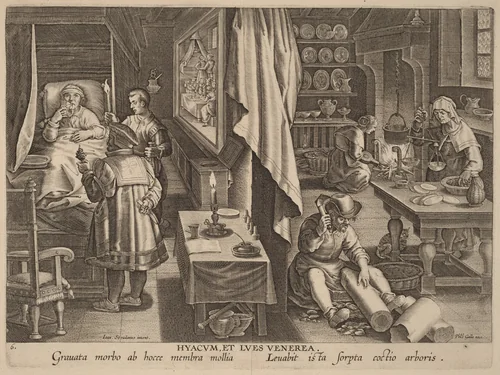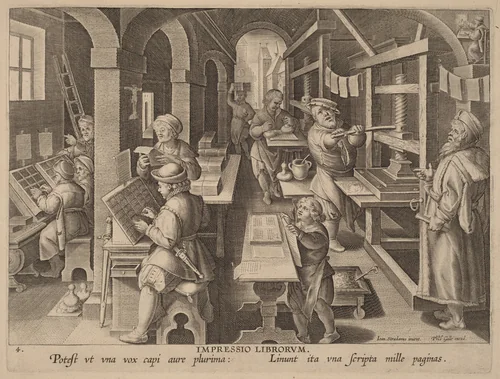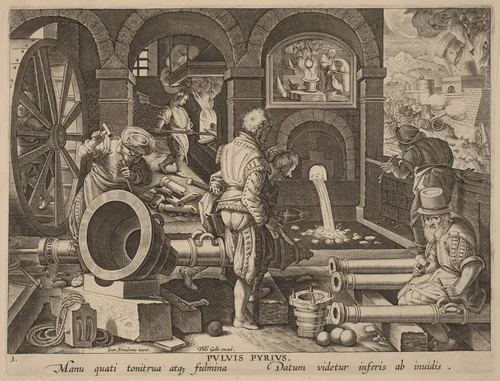
Philip Galle
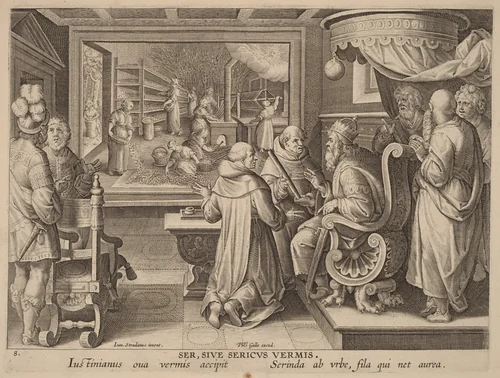
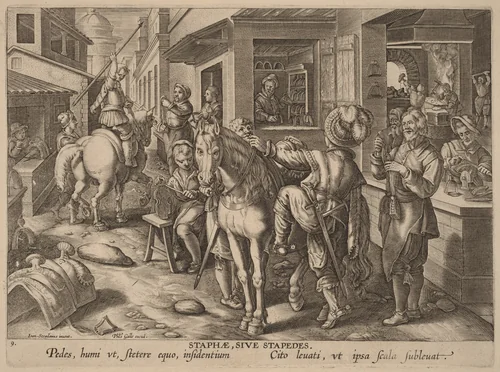
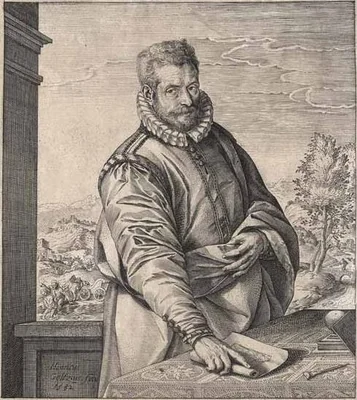
Philip Galle (1537-1612) occupies a central, often understated, position in the history of 16th-century Northern European visual culture. Operating primarily from Antwerp, Galle was a highly influential Dutch printmaker who successfully married the roles of artist, designer, engraver, and entrepreneurial publisher. His significance stems from the expansive scale and technical quality of his printing house, which was critical in standardizing and disseminating images across the continent.
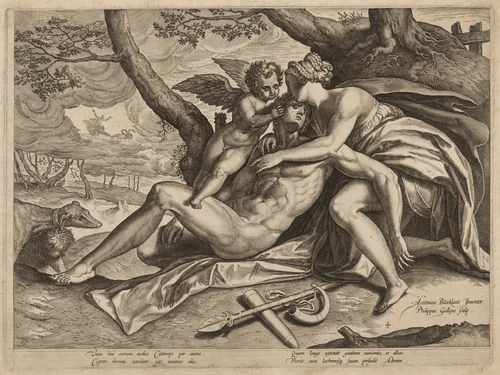
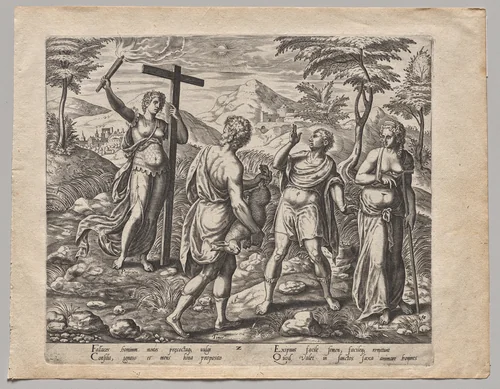
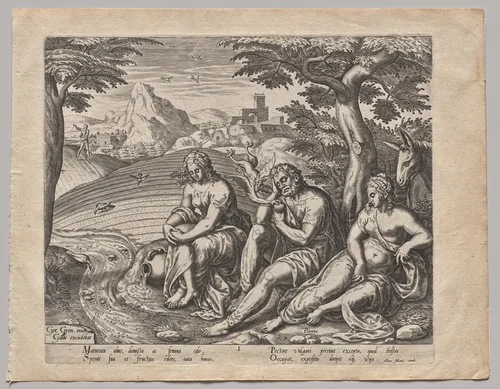
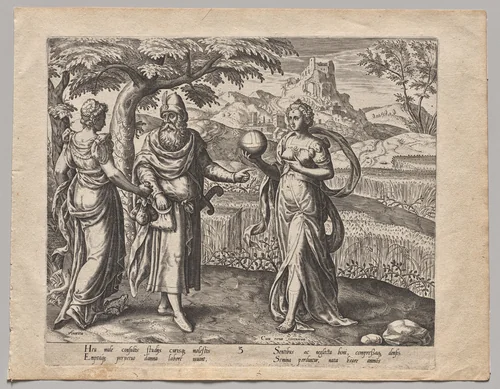
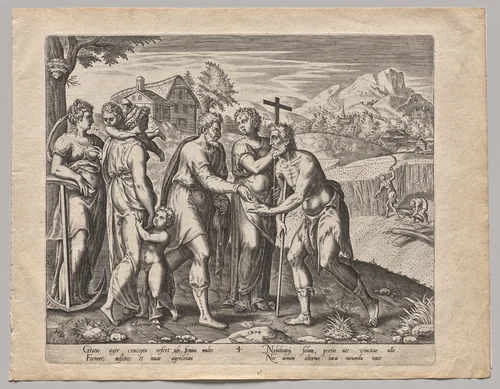
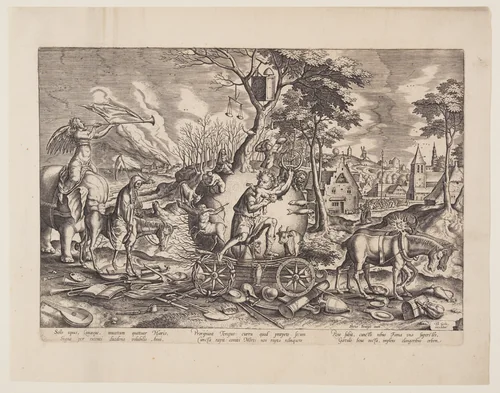
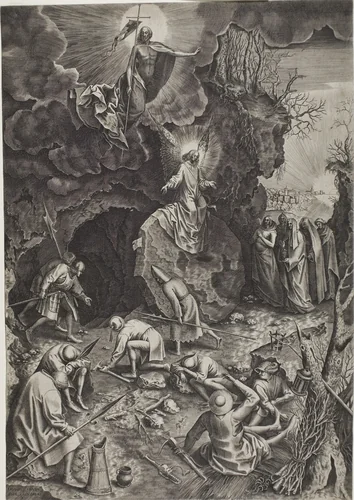
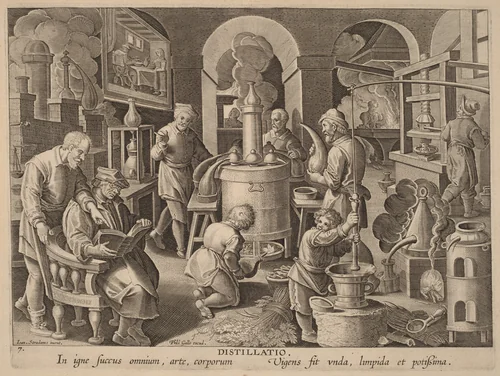
Galle’s chief contribution lay in the refinement of reproductive engraving. While he executed original designs, his historical impact derives from his meticulous translation of complex paintings by other masters into reproducible copperplate engravings. This process served a vital function in the period: before the advent of mechanical reproduction, Galle’s operation acted as the most sophisticated form of visual mass media. He effectively transformed private masterworks into public visual currency, ensuring that contemporary artistic innovations and popular religious narratives, such as And They were All Filled with the Holy Ghost and the Beheading of Saint James, were made available to a broad international audience.
The vast output of the Galle studio included detailed allegories, mythological narratives, and highly desirable portraits of contemporary scholars. He possessed a keen eye for influential figures, notably publishing striking depictions of the cartographer Abraham Ortelius. It is worth noting the dry archival humor of the era; the published portrait of Ortelius, celebrated for his geographical contributions, is sometimes listed not only by his Latinized name but also by his less formal Dutch moniker, Wortels, meaning ‘carrots.’
Galle’s legacy is that of the consummate visual communicator and technical master. Today, his detailed work, including scenes like Cornelius Worshipping Saint Peter, is preserved in leading institutions worldwide, including the National Gallery of Art, offering museum-quality examples of 16th-century craftsmanship. Because of the age and enduring importance of his catalogue, many of his technically accomplished works are now important holdings within the public domain, offering researchers and art enthusiasts access to downloadable artwork for study. These high-quality prints remain fundamental to understanding the breadth of Renaissance visual consumption.
Source: Wikipedia · CC BY-SA 4.0