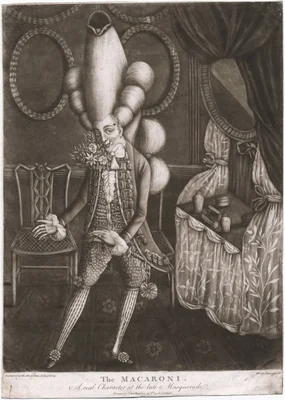
Philip Dawe
Philip Dawe (c. 1730s-died c. 1790s, London) was a prominent English artist, mezzotint engraver, and political satirist active during the critical decade leading up to the American Revolution. Born in London, the son of a city merchant, Dawe specialized in the difficult and highly textural medium of mezzotint, achieving impressive tonal range in both genre scenes and powerful political commentary.
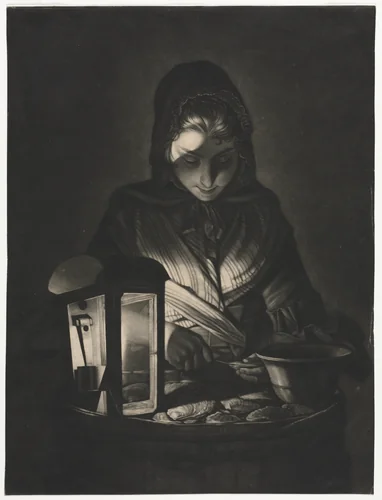
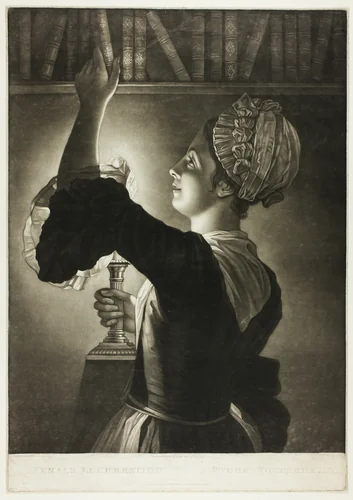
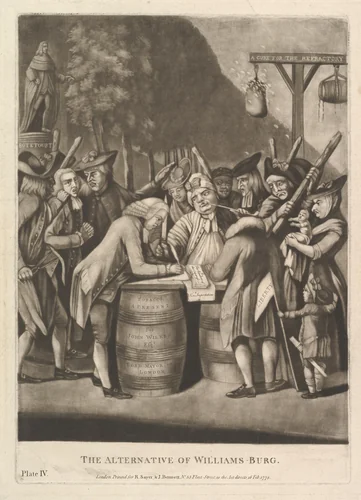
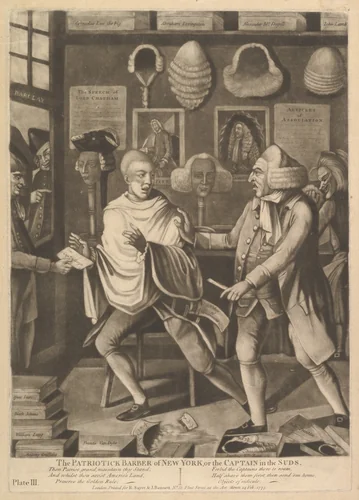
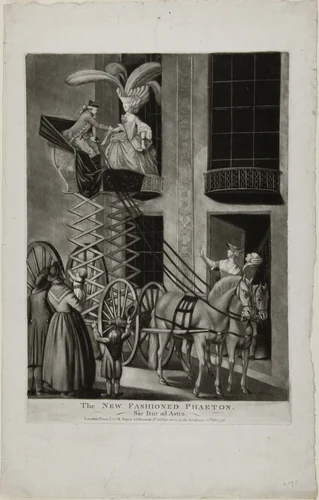
Dawe’s active period, running approximately from 1769 to 1776, was brief but potent, securing him representation today in major institutions including the Metropolitan Museum of Art, the Art Institute of Chicago, and the National Gallery of Art. While he produced sensitive genre scenes such as The Oyster Woman and the detailed interior study Female Lucubration: Étude Nocturne, his lasting influence rests on his ability to harness the dense, dramatic blacks achievable in mezzotint for political satire.
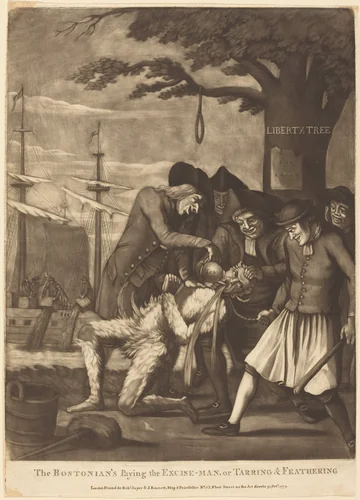
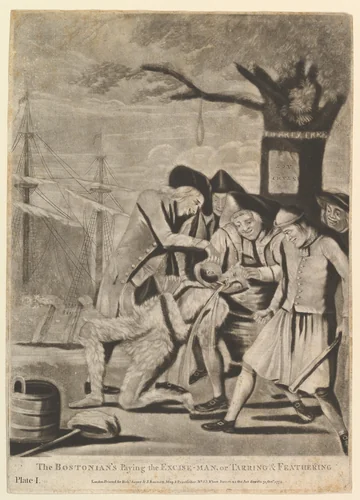
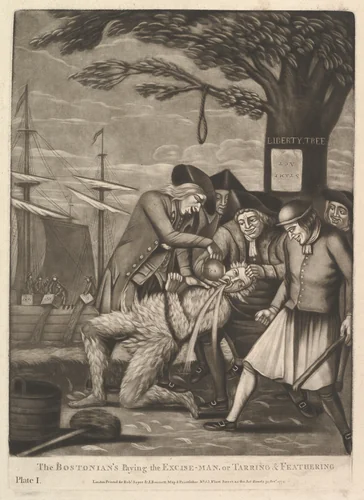
His most famous composition, issued under slightly varying titles, remains The Bostonians Paying the Excise-Man, or Tarring & Feathering. This high-quality print, issued in London around 1774, provided British audiences with a chilling, yet sometimes comic and chaotic, depiction of colonial unrest and violence directed against perceived loyalists. Unlike much purely decorative printmaking of the era, Dawe’s work served immediate, contentious political ends, documenting the breakdown of imperial authority with visual acuity and force.
It is worth noting that he was a progenitor of a multi-generational artistic firm: he and his wife, Jane, established a household in Kentish Town that produced six children, three of whom followed him directly into the arts, including George Dawe and Henry Edward Dawe. This successful artistic lineage subtly reminds us that even highly charged political commentary often stemmed from the stable, entrepreneurial printmaking workshops of Georgian London. Today, researchers and enthusiasts seeking to study the visual rhetoric of the Revolution frequently utilize the key Philip Dawe prints, many of which have passed into the public domain, ensuring easy access to these pivotal historic images.
Source: Wikipedia · CC BY-SA 4.0