Philibert Louis Debucourt
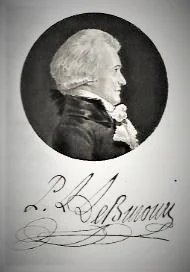
Philibert-Louis Debucourt (active 1755-1787) holds a distinctive, if often specialized, position in the history of 18th-century French art. Primarily recognized today as an accomplished engraver and painter, his surviving body of work, comprising at least thirteen prints and two drawings, serves as a rich visual chronicle of the domestic and social life of the late Ancien Régime.
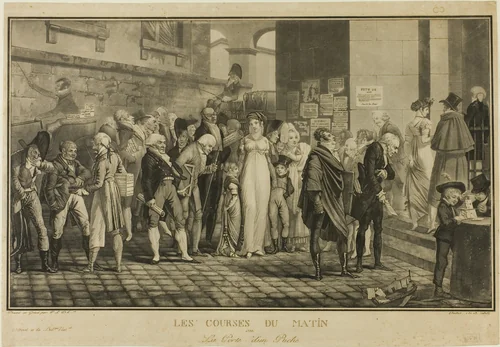
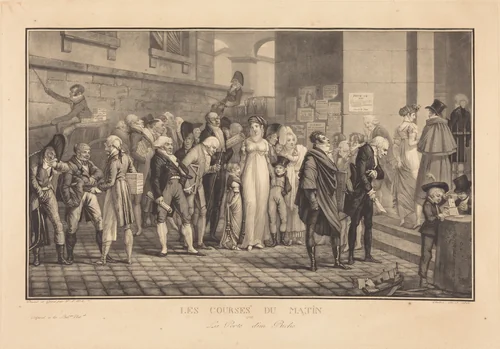
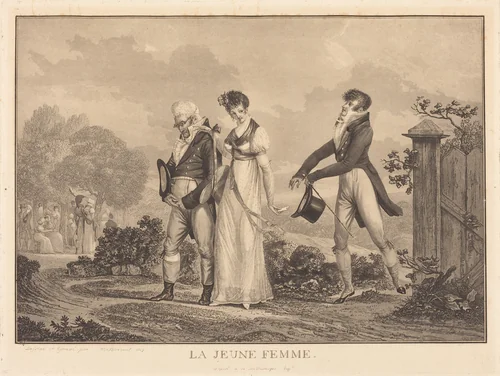
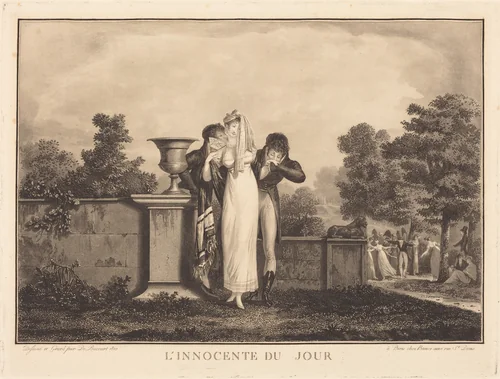
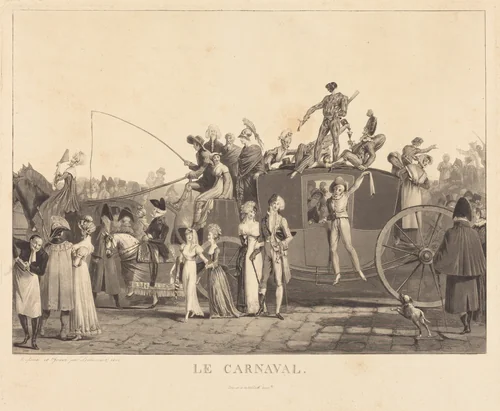
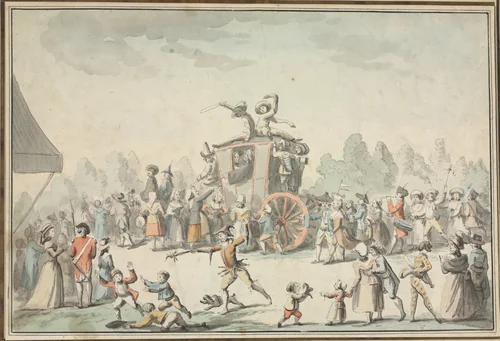
Unlike many of his contemporaries who focused exclusively on formal portraiture or grand history paintings, Debucourt excelled in genre scenes. His technical mastery lay in translating intimate, often highly detailed observations into the precise medium of the print. Works such as the charming Les Plaisirs paternels (Paternal Pleasures) and the lively social study Le Menuet de la mariée showcase a remarkable facility for capturing subtle interactions and contemporary costume. He provided viewers with nuanced glimpses into private moments, occasionally venturing into the delightfully unusual, as suggested by the intriguing title Nocturnal Burial Near Pyramid.
His compositions demonstrate a sophisticated understanding of light and shadow, essential for effective printmaking, revealing why Philibert Louis Debucourt prints remain highly valued by collectors. While the historical record confirms his activity as a painter, it is through his engraving that his legacy is most clearly defined and appreciated by curators. His detailed output, which captured the aesthetic and societal shifts of his era, forms the foundation for museum-quality reproductions available globally.
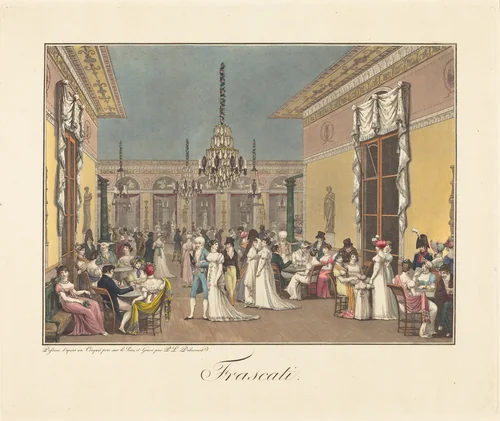
Debucourt’s ability to move deftly between quiet domesticity and slightly more formal social gatherings confirms his unique observational eye. It is perhaps the highest compliment to his skill that these records of fleeting 18th-century Parisian life continue to resonate, securing his presence in prestigious institutions including the Cleveland Museum of Art, the Art Institute of Chicago, and the National Gallery of Art. The enduring quality of his artistry ensures that original compositions, now often available as high-quality prints and downloadable artwork, continue to inform studies of French visual culture.
Source: Wikipedia · CC BY-SA 4.0