Peter van Liesebetten
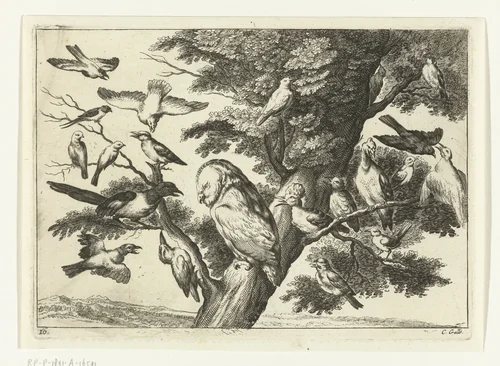
Peter van Liesebetten (also recorded as Pieter van Lisebetten), an accomplished engraver active in the mid-seventeenth century, occupies a specialized but significant role in the history of Northern European printmaking. Working primarily in the Spanish Netherlands, his catalog, though concise, comprises a distinctive group of highly detailed graphic works focusing almost exclusively on ornithological subjects. This demanding niche required both exacting technical precision in etching and the artistic vitality necessary to capture living forms.
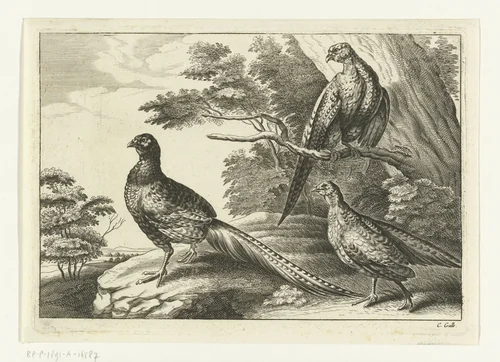
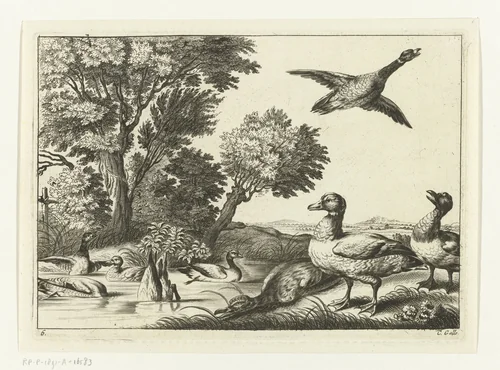
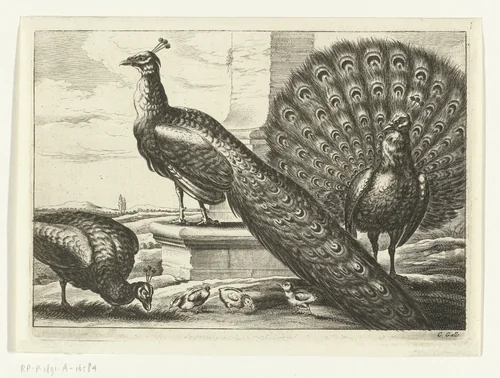
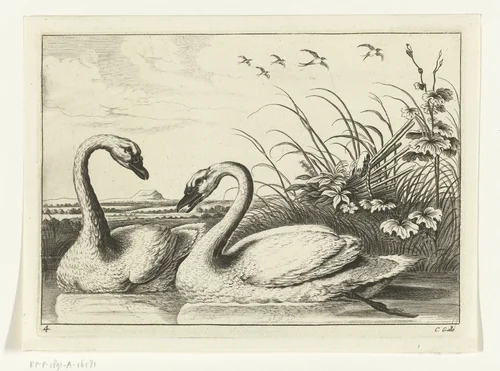
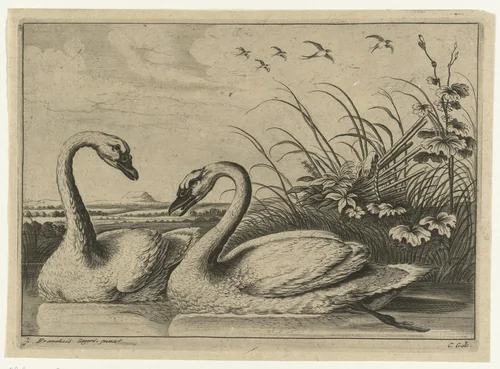
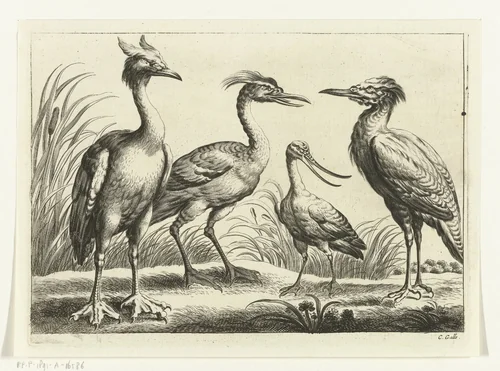
Liesebetten’s documented period of activity centers around 1654, a pivotal moment in Northern European natural history documentation. His ability to render complex textures, from the subtle mottling of game birds to the elaborate displays of peacocks, is evident across his oeuvre. Works such as Drie fazanten (Three pheasants), Eenden (Ducks), and Pauwen (Peacocks) demonstrate a sophisticated understanding of avian anatomy and plumage.
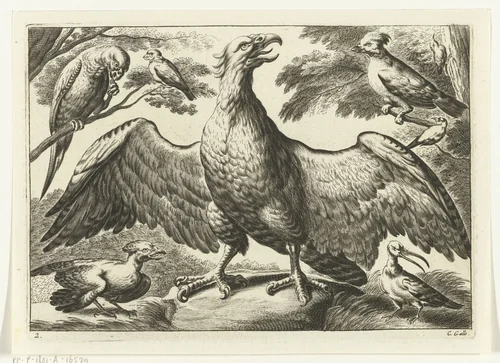
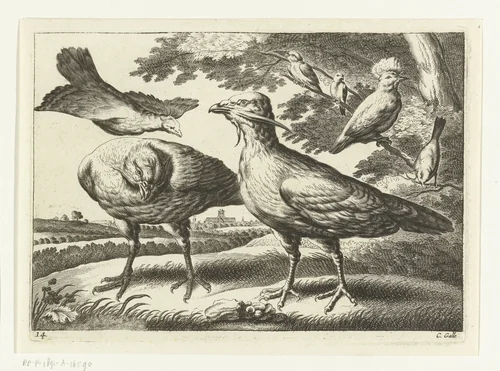
Perhaps the most intriguing of his prints is Trapganzen en een kaketoe (Bustards and a cockatoo), which captures both indigenous fauna and the spectacular exoticism imported from distant trade routes. This unusual juxtaposition provides a subtle window into the era's fascination with global exchange, reflecting the scientific curiosity and private wealth that supported such detailed commissions. The elegance and near-scientific rigor of his rendering ensured the enduring appeal of these studies.
Today, Peter van Liesebetten prints are preserved in the collections of major institutions, notably the Rijksmuseum in Amsterdam, confirming their status as museum-quality artifacts. Because of their age and significance, these historically important copper engravings often reside in the public domain, offering broad access to scholars and researchers. The resulting availability of high-quality prints allows contemporary audiences to appreciate the meticulous skill required to execute this exacting form of specialized artistry during the Baroque period.
Source: Wikipedia · CC BY-SA 4.0