Peter Simon
Peter Simon the Younger, an English engraver active during the late Georgian period (1785-1801), played a key role in the dissemination of high-quality illustrations that defined late 18th-century visual culture. Working primarily in reproductive printmaking, Simon specialized in translating complex literary and moral narratives into accessible visual compositions, securing his reputation among the leading technical artists of his time.
His proficiency in etching and stipple engraving led to his involvement in significant contemporary projects, including the ambitious publication of The Seven Ages of Man. Although his recorded output is relatively concise, comprising ten documented prints, the quality and thematic intensity of his works ensured their acquisition by prominent institutions, including the Metropolitan Museum of Art. These early examples of museum-quality graphic art remain vital for understanding the intersection of literature and print culture during this era.
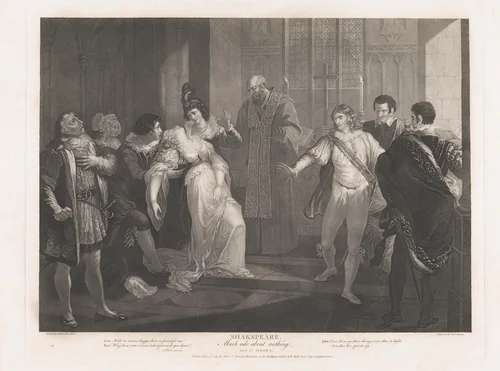
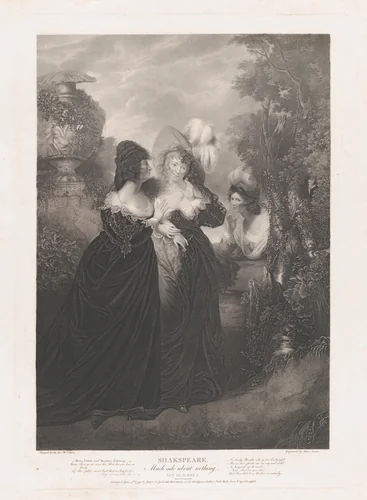
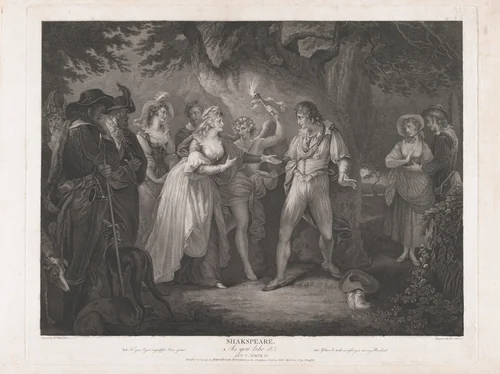
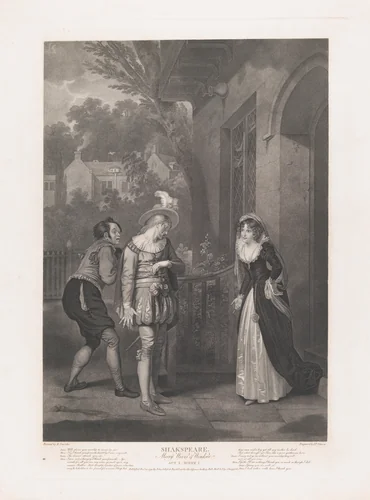
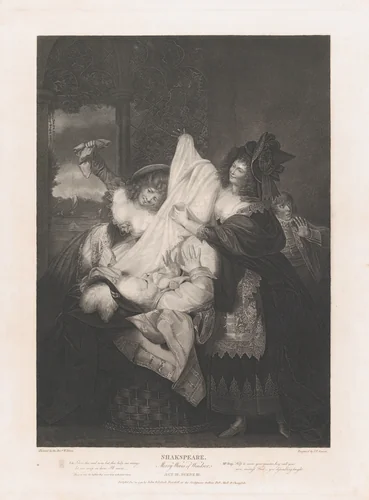
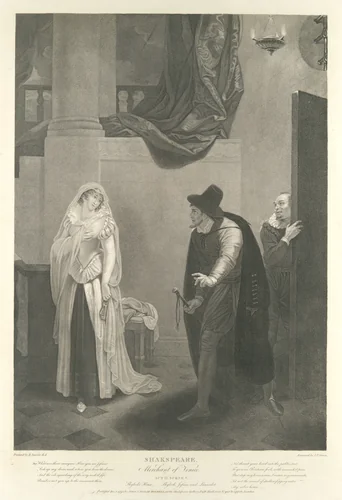
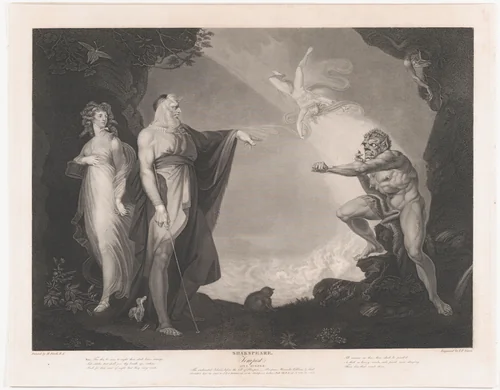
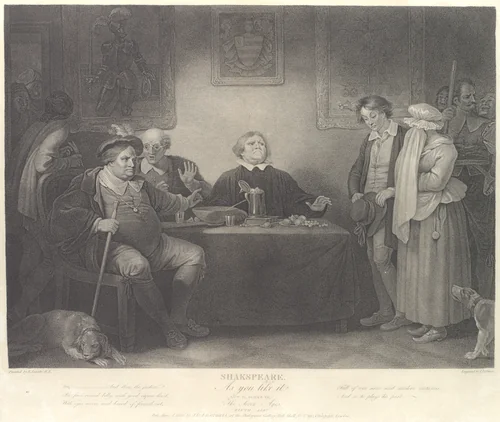
Simon’s most compelling works derive from his interpretations of William Shakespeare. He possessed a keen ability to isolate and freeze moments of intense psychological or dramatic consequence. This is particularly evident in his prints based on Much Ado About Nothing, such as Hero, Ursula and Beatrice, which captures a moment of calculated deception, and the far more theatrical Hero Fainting in Church (Shakespeare, Much Ado About Nothing, Act 4, Scene 1). It is telling that Simon often chose not the grand, climactic battles, but the subtle, agonizing moments of personal crisis, prioritizing emotional density over sheer scale.
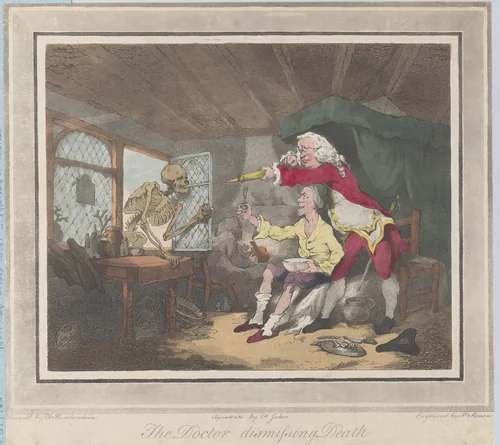
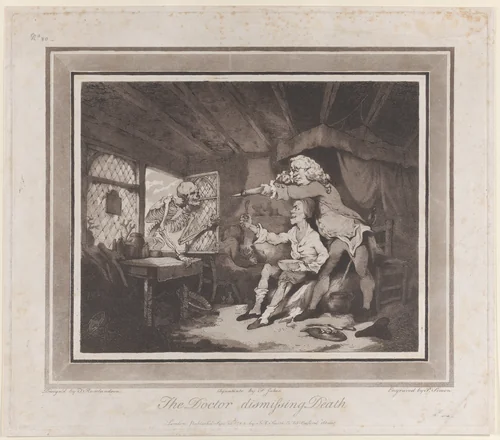
Beyond literary illustration, Simon addressed contemporary social and moral anxieties, exemplified by two recorded versions of the print The Doctor Dismissing Death. Because much of his material is now in the public domain, these fine examples of late-Georgian graphic art are readily available as royalty-free files, continuing to serve as foundational resources for studying how narrative was interpreted visually at the cusp of the nineteenth century. The durable medium of the high-quality prints preserves both his technical skill and his insightful commentary on human drama.
Source: Wikipedia · CC BY-SA 4.0