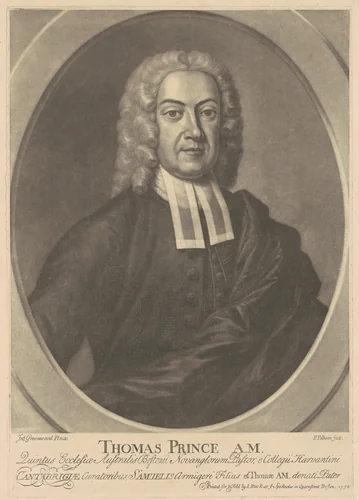
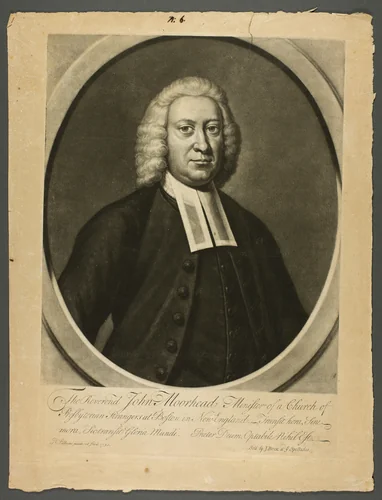
, c. 1753–1754, reproduction from Letters & Papers of J. S. Copley and Henry Pelham, 1914.png)
Peter Pelham
Peter Pelham (1697-1751) holds a vital position in the history of American visual culture, representing the successful transfer of sophisticated English engraving techniques into the burgeoning colonial art market. Born in England, Pelham emigrated to Boston, where he established himself not only as a portrait painter but, more crucially, as a pioneering printmaker active from 1727 to 1751. His limited but highly influential output established a necessary precedent for reproducible portraiture in North America.
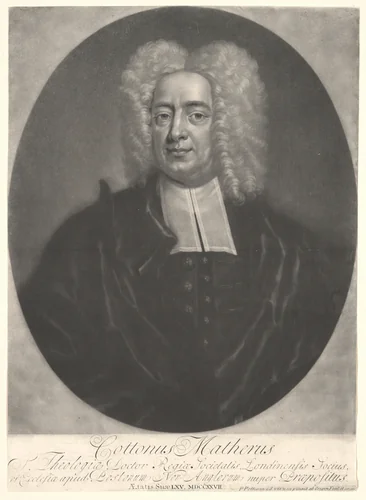
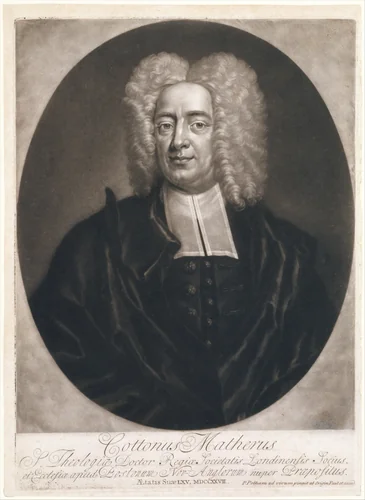
Pelham specialized primarily in the mezzotint technique, favored across the Atlantic world for its ability to produce rich, nuanced tonal variations suitable for capturing the complex texture and symbolic status inherent in formal portraiture. His subjects were invariably the political, theological, and military heavyweights of Massachusetts society. Among his most recognized works is the iconic mezzotint of the Puritan minister Cotton Mather (sometimes titled Cottonus Matheris), an image that remains a foundational reference point for early American intellectual history.
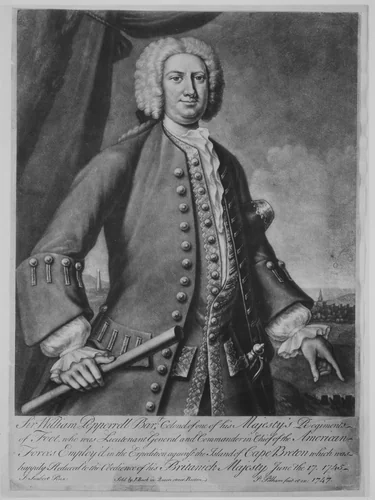
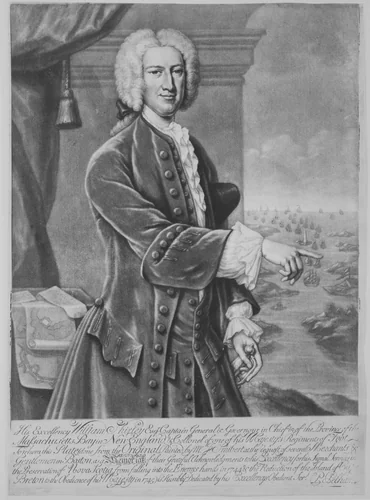
Other significant engravings defining his career include the stern visages of Massachusetts Governor William Shirley and the celebrated military leader Sir William Pepperrell. Pelham’s meticulous prints functioned as the primary means by which the colonial elite publicized their influence and authority across the colonies in an era preceding mass media. He also notably executed the portrait of theologian Thomas Prince, A. M.
While only six verifiable high-quality prints are securely attributed to his hand, the technical mastery displayed ensures his enduring historical relevance. It is perhaps an understated observation that, given the difficulty of colonial travel and communication, Pelham’s engravings of civic leaders effectively became the de facto visual shorthand for governance and power in the mid-eighteenth century. Today, original examples of these essential historical artifacts are held in the permanent collections of major institutions, including the Metropolitan Museum of Art and the National Gallery of Art. Owing to their age and historical significance, many of these museum-quality works are now in the public domain, ensuring that Peter Pelham prints remain accessible for scholarly study.
Source: Wikipedia · CC BY-SA 4.0