Peter Lely
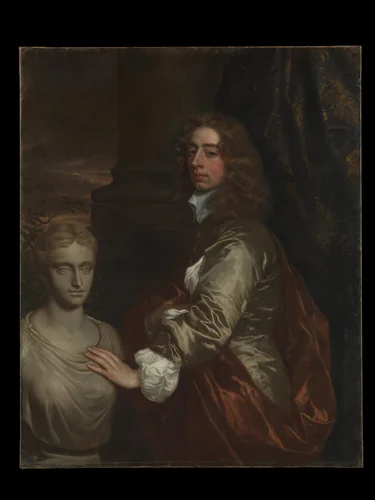
Sir Peter Lely (1618-1680) stands as the defining portraitist of the English Restoration court, setting the aesthetic standard for aristocracy throughout the latter half of the 17th century. Though born in the Netherlands, Lely dedicated nearly his entire career to England, where he became the dominant painter to the court of Charles II. His prominence was cemented by his success in securing a knighthood in 1679, shortly after becoming a naturalized British subject.
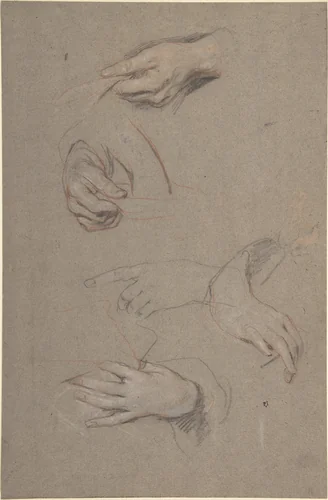
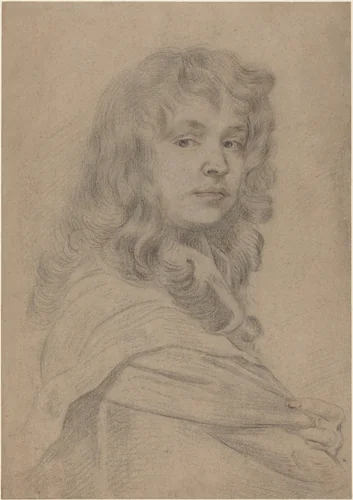
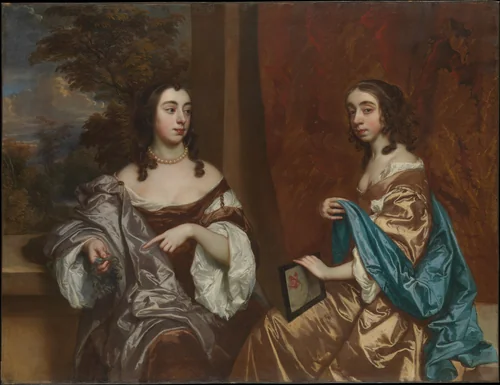
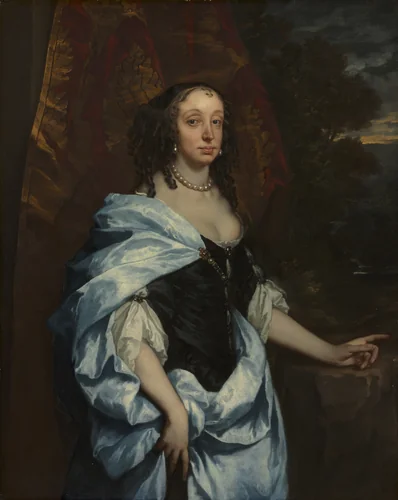
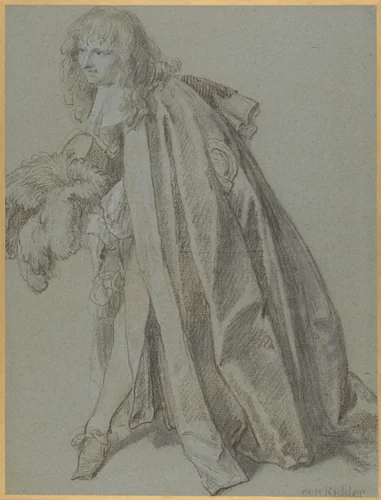
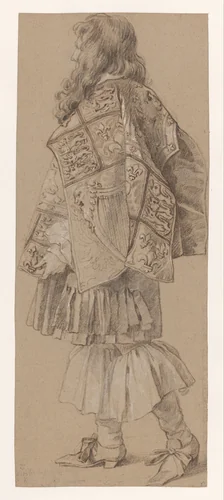
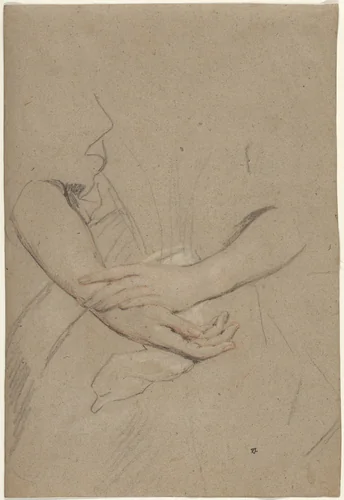
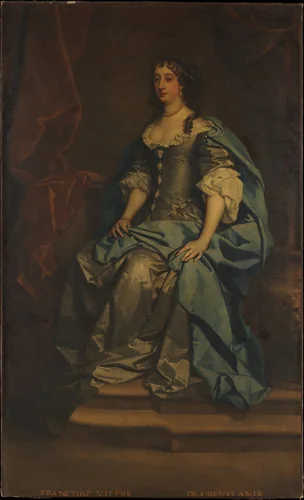
Lely’s ascent to dominance followed the tradition established by Anthony van Dyck, but he evolved the style to meet the changing sensibilities of the restored monarchy. Active from the 1630s through 1670, Lely specialized in the highly formalized oil portrait, perfecting a luxurious aesthetic characterized by shimmering silks, dramatic drapery, and a distinctly languid pose that conveyed both wealth and aristocratic effortlessness. His technical command extended to drawing, evidenced by meticulous preparatory works such as Studies of Hands.
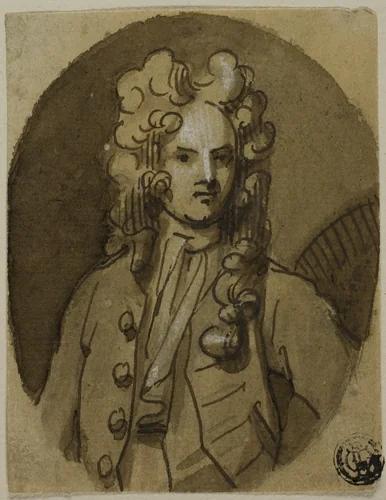
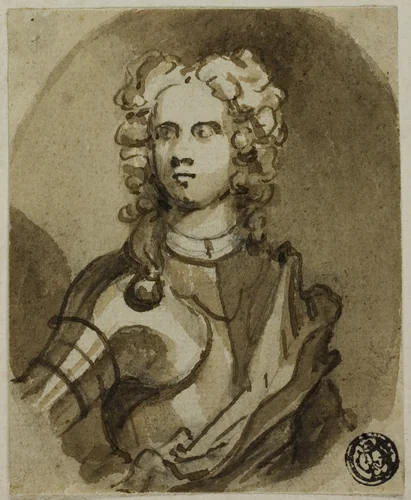
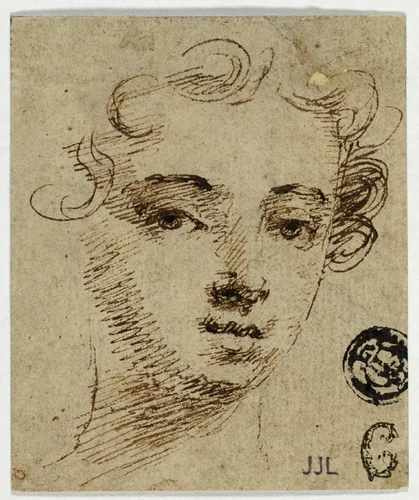
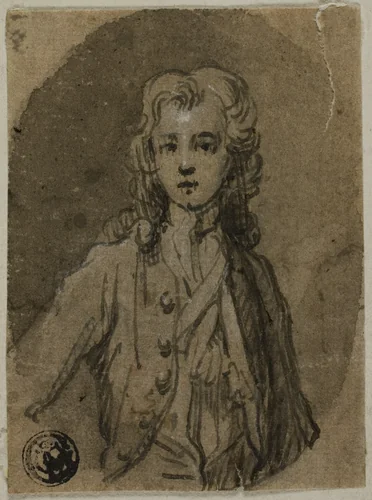
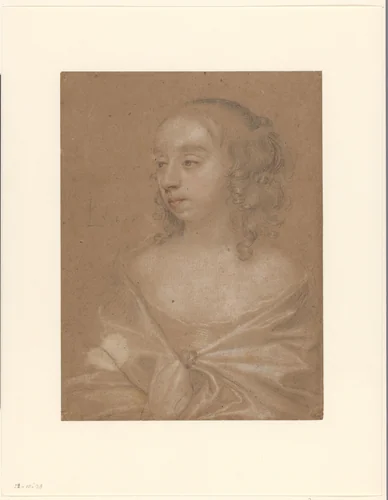
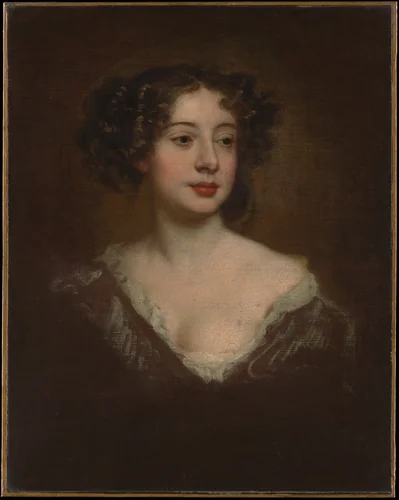
His catalogue of works documents the great figures of his era, from powerful military leaders represented in the painting General Monk, to the statesmen memorialized in First Lord Russell, and the sensitive familial records like Head of Young Woman and John, Son of First Duke of Lennon. While his subjects often convey an air of effortless grace, Lely himself was renowned for his efficiency and highly controlled studio practice. It is perhaps telling that records indicate clients were often required to leave their swords outside his studio, a subtle but necessary precaution to maintain the tranquility required for the artistic process. This professional rigor allowed him to sustain an exceptional volume of work over four decades.
Lely’s comprehensive documentation of the Restoration period established a high watermark for English portraiture. Today, his works are central to major institutions, residing in collections such as the Art Institute of Chicago, the Cleveland Museum of Art, and the National Gallery of Art. The continued study and appreciation of Peter Lely paintings is facilitated by the wide availability of his work, much of which is available as high-quality prints for researchers and collectors worldwide.
Source: Wikipedia · CC BY-SA 4.0