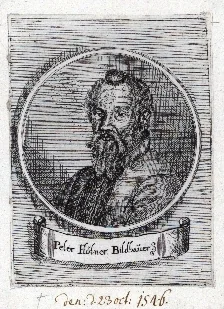
Peter Flötner
Peter Flötner, known also by variations such as Flatner, Flettner, or Floetner, was a seminal German designer, sculptor, and printmaker active during the late 15th and early 16th centuries. He holds a crucial historical position as one of the primary innovators responsible for introducing Italianate Renaissance sensibilities into German decorative arts and sculpture. This effort positioned him directly alongside, and often in spirited competition with, the established artistic might of the Vischer Family of Nuremberg.
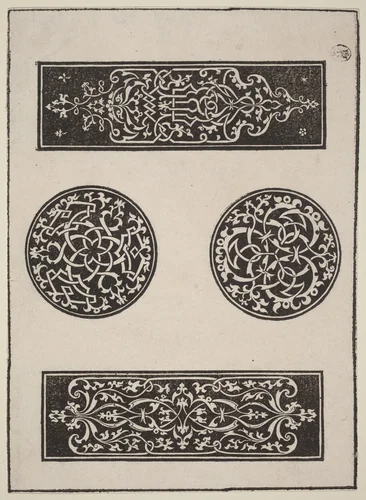
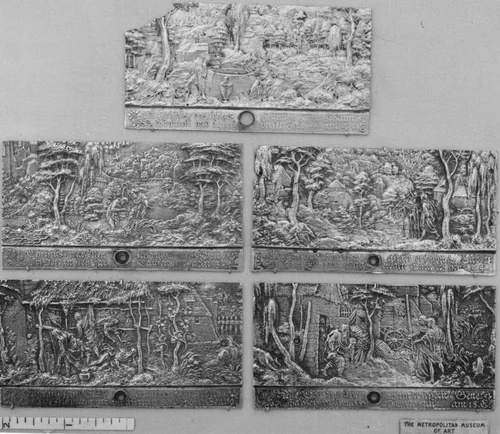
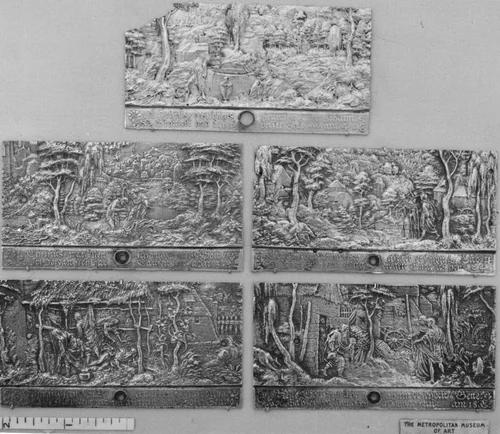
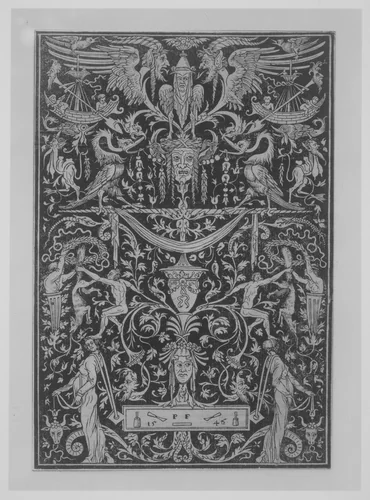
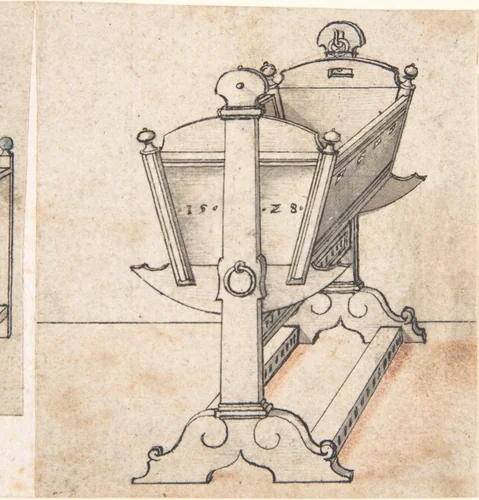
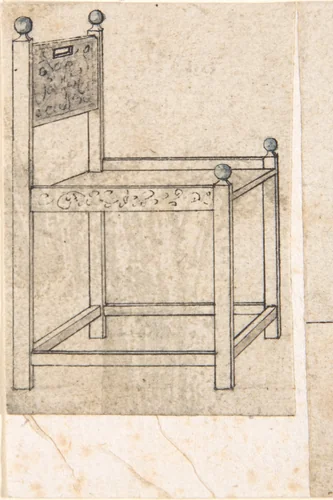
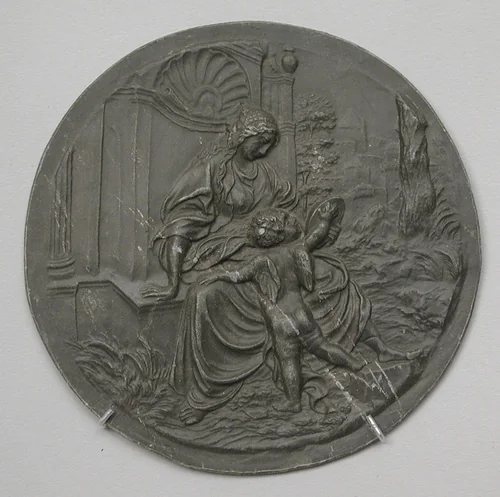
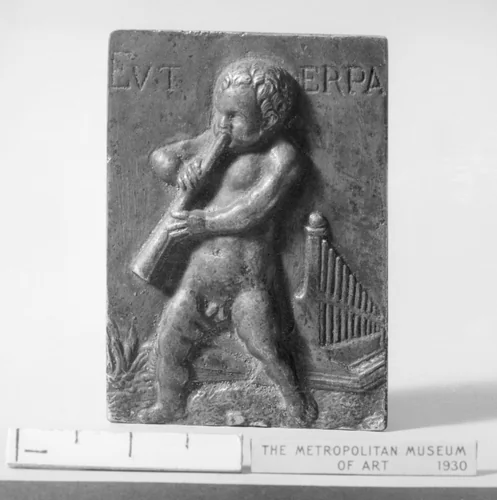
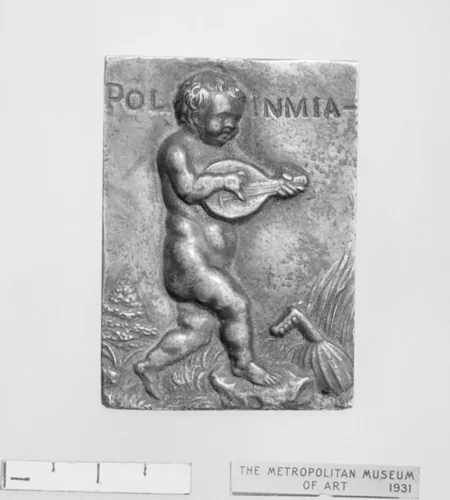
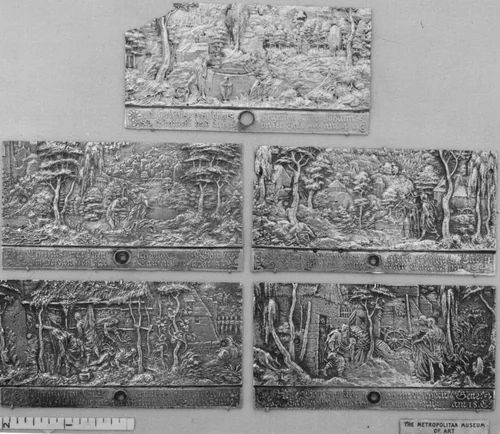
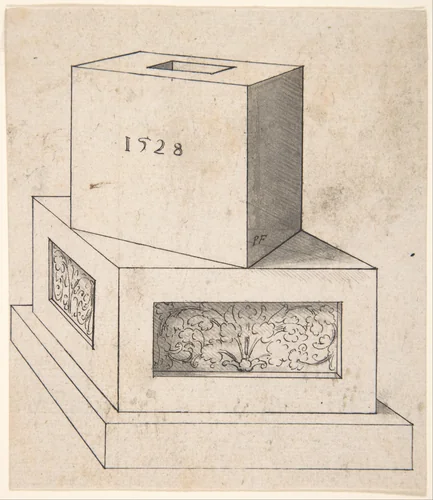
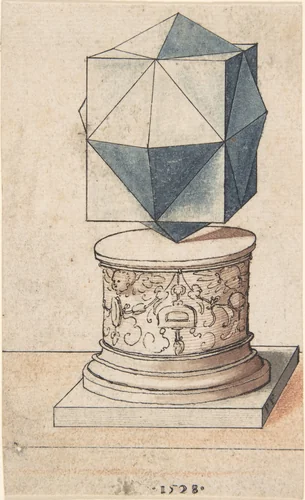
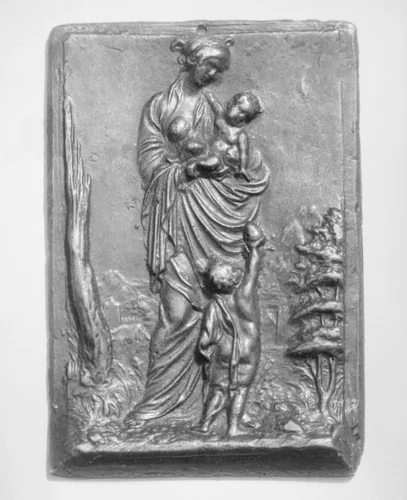
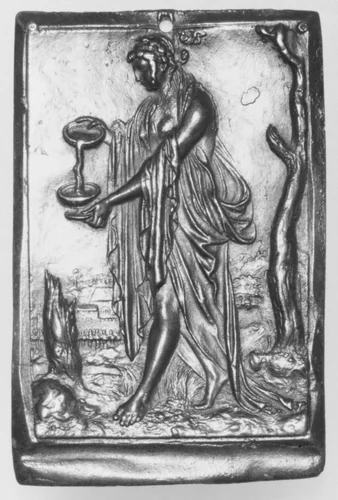
Flötner’s highly prolific output demonstrates exceptional technical versatility, encompassing rigorous metalwork, detailed drawings, and sharp prints. He was a master of the grotesque and classical revival styles, utilizing these new aesthetic standards to design models for furniture, architectural ornamentation, and small-scale bronze casting, exemplified by his widely influential Decorative Panels. While known for complex three-dimensional forms, his graphic work often reveals the clearest translation of classical motifs and narrative precision, evident in pieces like Abraham and the three Angels and Christ and the Woman of Samaria.
His work in graphic media cemented his role as a key purveyor of new design standards that circulated widely across Northern Europe. Several of his graphic interpretations, including the detailed religious scenes Baptism of Christ and Christ and the Apostles on the way to Emmaus, are today preserved in premier international institutions such as the Metropolitan Museum of Art and the Rijksmuseum. These museum-quality works are frequently studied and, being within the public domain, are often available as downloadable artwork.
Despite Flötner’s profound influence on the stylistic evolution of early 16th-century German design, the historical record suggests an intriguing disconnect. Unlike several of his successful contemporaries who achieved considerable wealth and renown, the artist, working across such varied media to create lasting works, seems to have ultimately made only a modest living from his substantial output. This irony, where foundational artistic innovation did not necessarily translate directly into financial security, lends a poignant depth to the celebrated career of one of Germany’s most important early Renaissance figures.
Source: Wikipedia · CC BY-SA 4.0