Peter Bonnett Wight
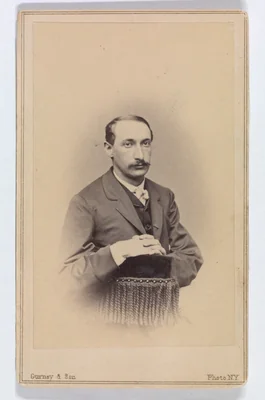
Peter Bonnett Wight (active 1858-1891) was a foundational American 19th-century architect whose professional output spanned the burgeoning metropolitan centers of New York City and Chicago. His practice overlapped with the crucial period of post-Civil War development, characterized by rapid institutional growth and increasingly sophisticated architectural competitions.
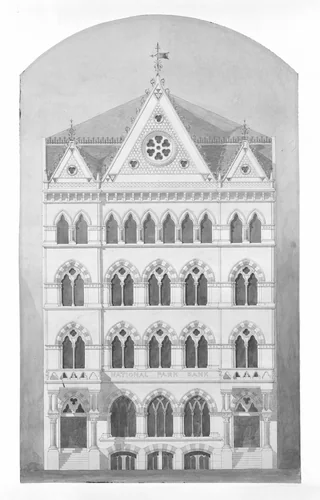
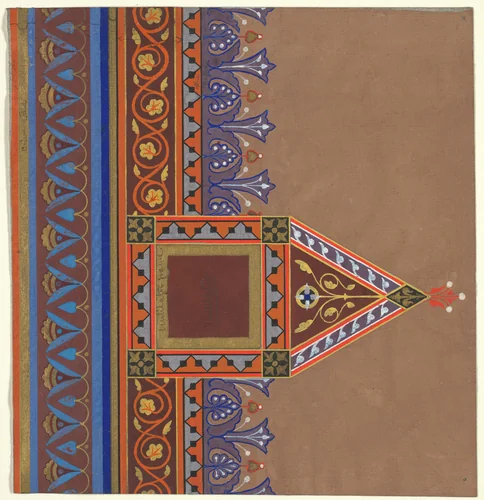
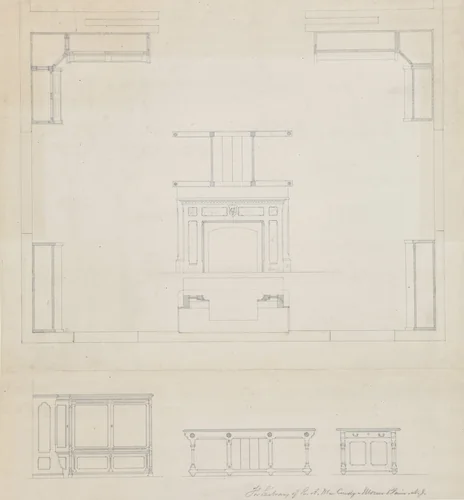
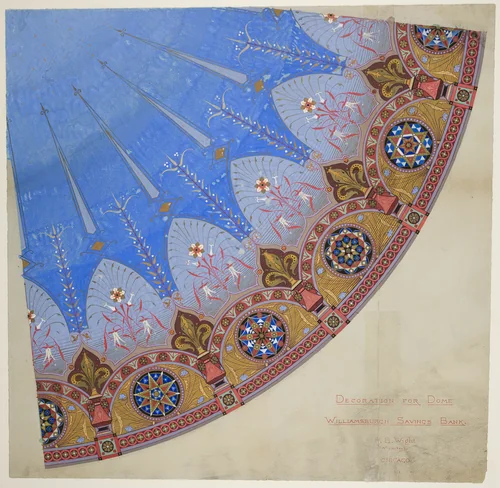
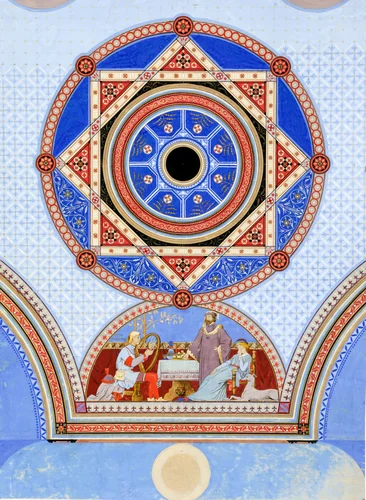
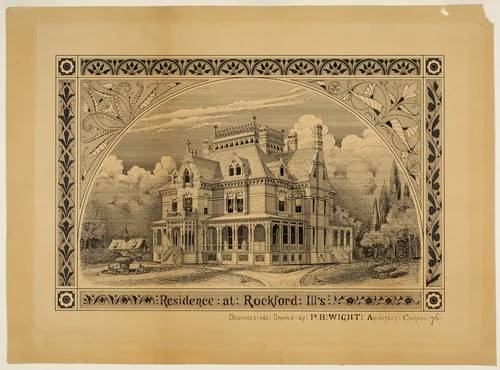
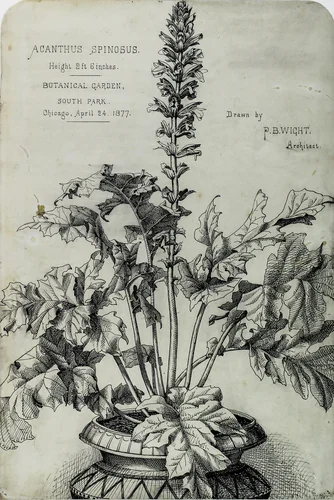
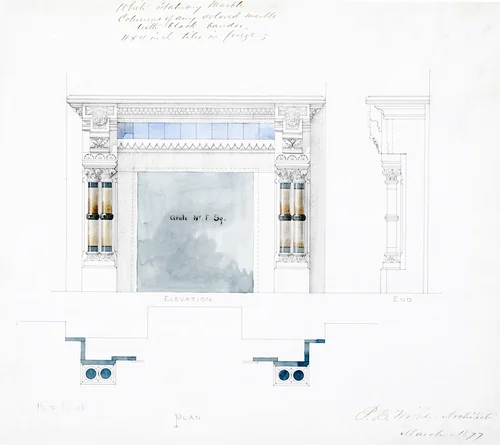
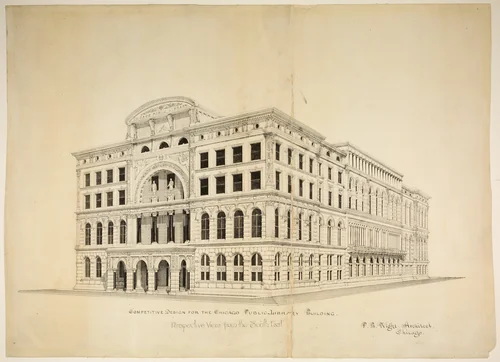
Wight’s artistic and professional legacy is preserved most tangibly through his architectural presentation drawings, which bridge the gap between technical drafting and finished artwork. The 14 cataloged drawings attributed to him, housed in major collections such as the Art Institute of Chicago, provide a concentrated study of the visual requirements for success in the competitive Gilded Age market. These works functioned not merely as technical blueprints but as elaborate persuasive documents designed to impress review committees.
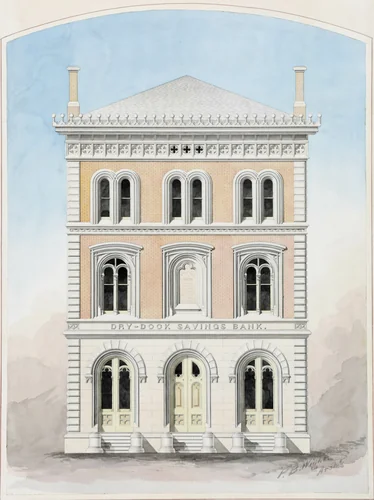
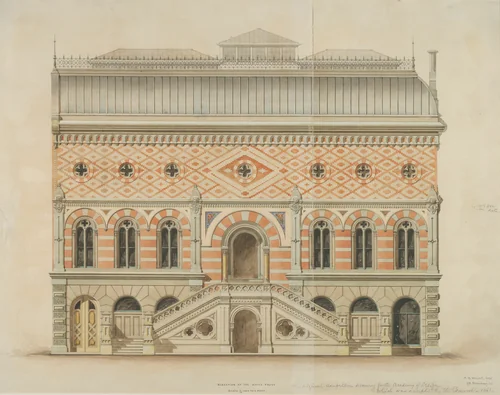
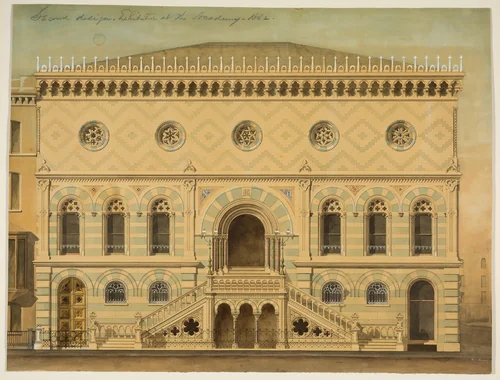
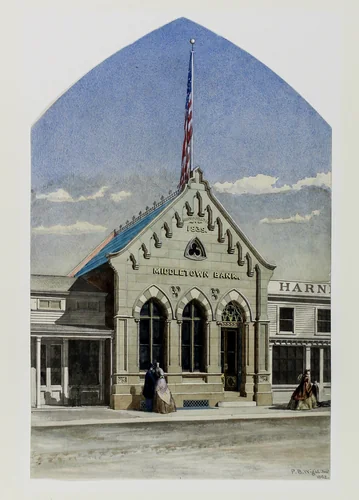
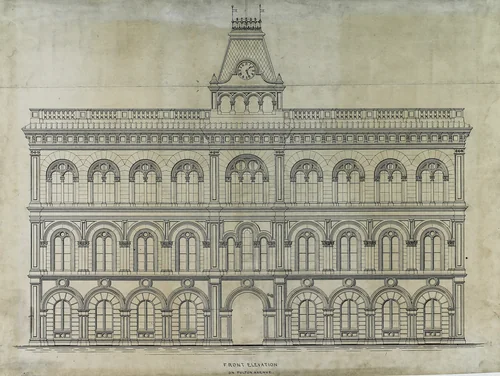
His portfolio is defined by high-stakes institutional proposals, demonstrating his engagement with the era’s most significant civic and financial bodies. Works such as the Dry Dock Savings Bank, New York City, Competition Design Drawing and the elaborate perspective for the Middletown Bank, New York underscore his facility with monumental design and meticulous rendering in ink and wash. The detailed elevations submitted for the National Academy of Design Competition, New York, reveal the stylistic aspirations of the era, combining classical formality with robust contemporary execution.
The architectural competition system of the 19th century demanded a singular combination of technical precision and artistic flair. It is perhaps a quiet reflection on Wight’s tenacity that he executed such a consistent volume of finished, museum-quality designs for simultaneous commissions across varied geographic locations. While the construction history of these projects is complex, Wight’s drawings themselves endure as artifacts of professional ambition and design intent.
Spanning over three decades, Wight’s work provides essential insight into the professionalization of American architectural practice. These historical documents are now widely accessible; many of these important renderings fall within the public domain, providing researchers and enthusiasts access to detailed historical imagery, often available as high-quality prints reflecting the original drafting techniques.
Source: Wikipedia · CC BY-SA 4.0