Peru
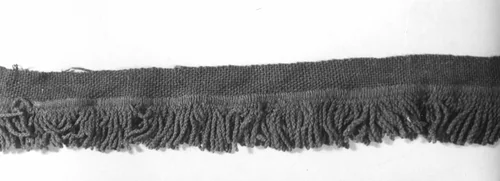
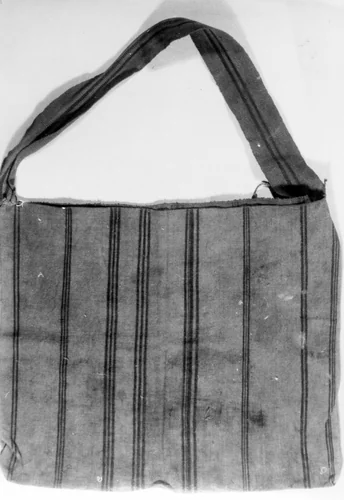
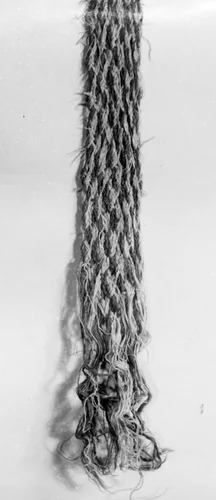
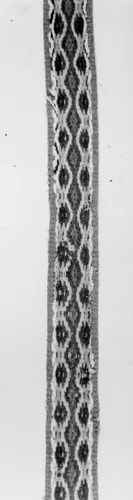
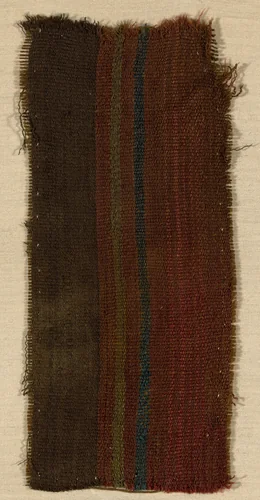
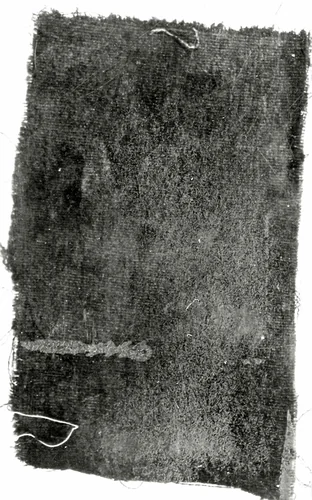
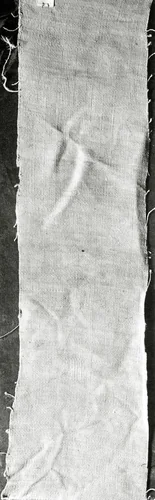
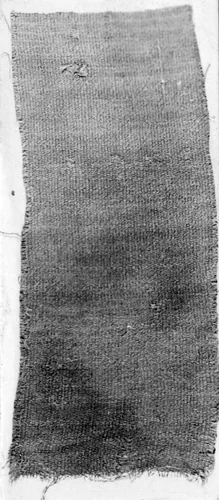
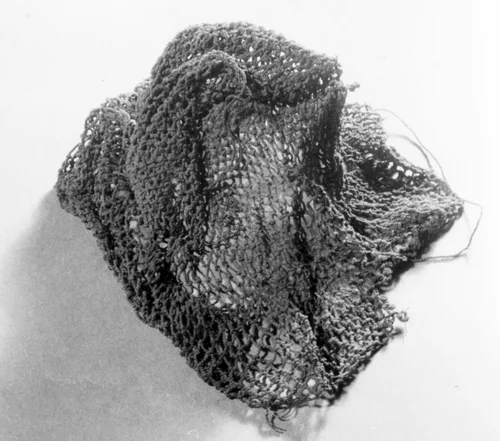
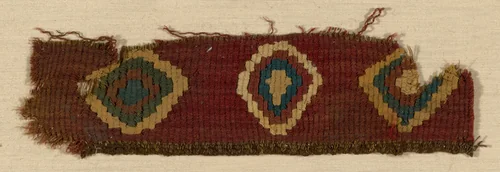
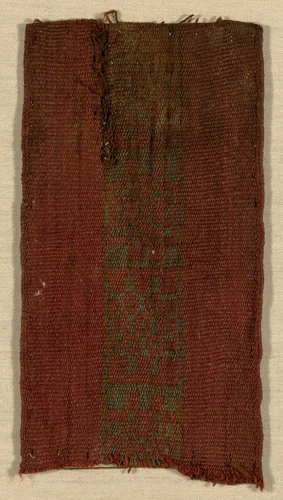
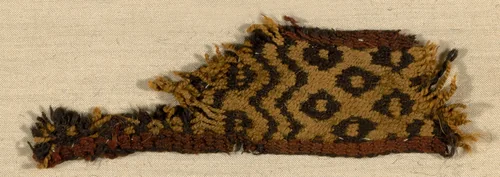
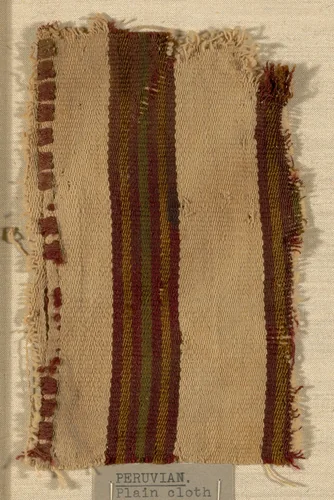
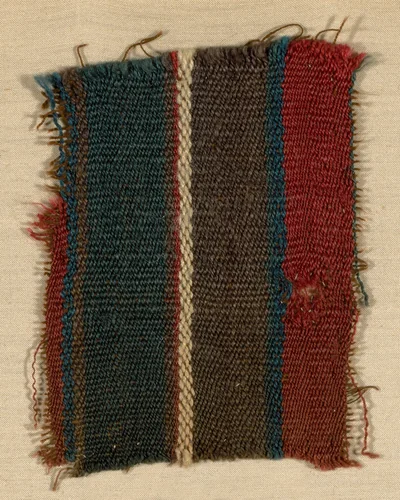
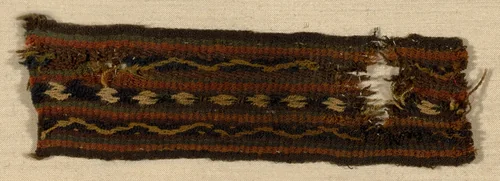
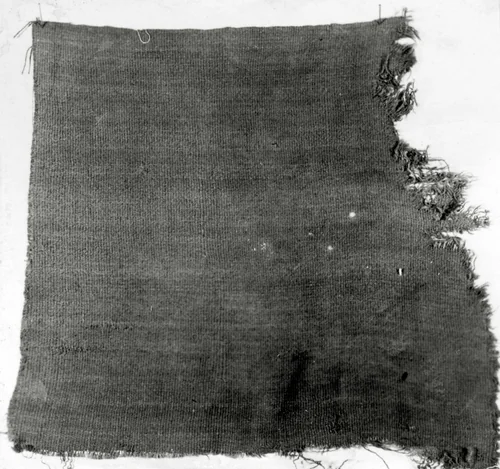
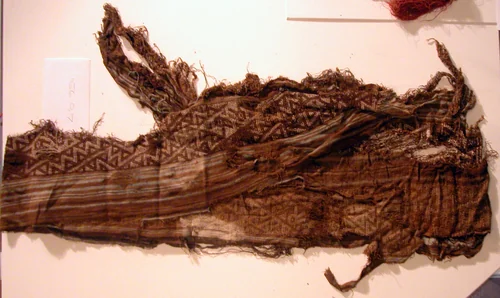
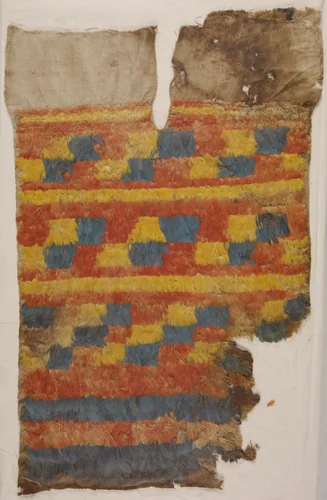
The cultural entity known today as Peru, a nation defined by the dramatic confluence of the Pacific coastal desert, the towering Andean mountain range, and the expansive Amazon rainforest, has served as a crucible for sophisticated artistic production dating back millennia. Its reputation is anchored not only by its monumental architecture but by the exceptional quality of its early fiber arts. Fifteen such artifacts, including meticulously woven bands and utility bags from the foundational period spanning 100 BCE to 1 CE, currently reside in major collections such as the Art Institute of Chicago, offering museum-quality insight into ancient Peruvian technique.
Situated in western South America, Peru is geographically bordered by Ecuador, Colombia, Brazil, Bolivia, and Chile, and embraces the vast southern and western coastline of the Pacific Ocean. This unique positioning contributes to its status as a megadiverse country. Artistic expression here fundamentally reflects this stark geographical variation, encompassing the arid plains of the Pacific coastal region, the formidable peaks of the Andes extending across the country’s length, and the tropical Amazon basin fed by the headwaters of the Amazon River.
The textiles themselves, dating to a critical pre-Incan moment, exhibit masterful use of complex weave structures and often feature vibrant, durable dyes. These works, which include various extant bands and woven bags, provide a clear historical lineage for subsequent South American fiber arts, establishing an early standard for technical excellence. One interesting fact rarely considered in the context of global art history is that the finest early Peruvian textile artists achieved levels of thread count and structural complexity that frequently exceeded those found in contemporary European tapestries of the Common Era.
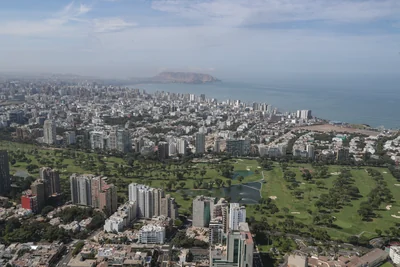
While Peru today is home to a population exceeding 32 million, anchored by its bustling capital, Lima, its enduring artistic legacy rests heavily on these profound historical outputs. For researchers and collectors alike, high-quality prints and photographic documentation of these Peru prints, derived from artifacts now entering the public domain, continue to broaden access to this foundational artistic tradition. The technical and aesthetic quality of these ancient bands and bags underscores the vast, often overlooked, creative contributions originating from the 1,285,216 square kilometer expanse that forms modern Peru.
Source: Wikipedia · CC BY-SA 4.0