Perkins Harnly
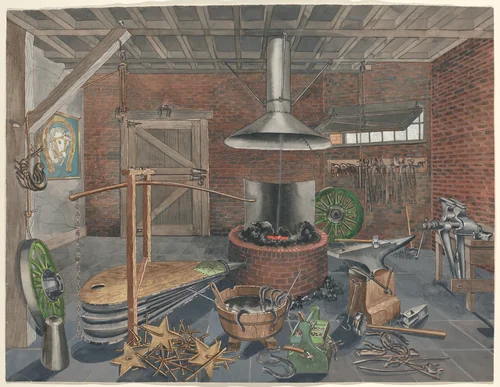
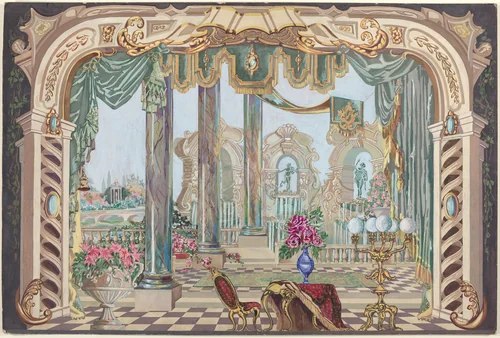
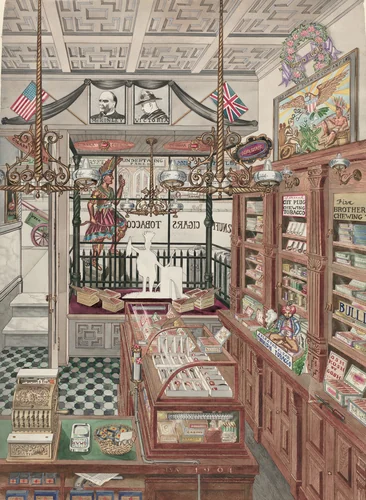
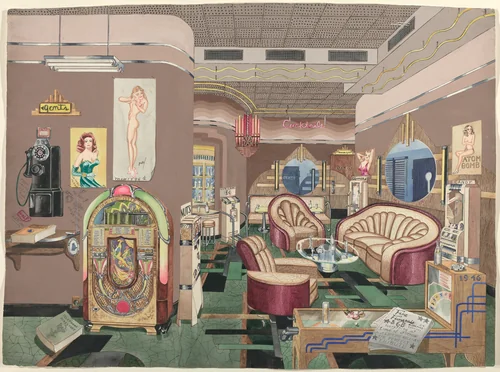
Perkins Harnly (1901–1986) secured his place in American art history through his significant contribution to the Federal Art Project's Index of American Design (IAD). Active around 1935, Harnly was one of the key artists commissioned during the Great Depression to document the country's material culture, meticulously working to preserve visual records of utilitarian objects, historical architecture, and often overlooked interior spaces. This massive undertaking ensures that his finished artwork, today a vital resource housed within collections like the National Gallery of Art, remains accessible for historians and designers studying early American aesthetics.
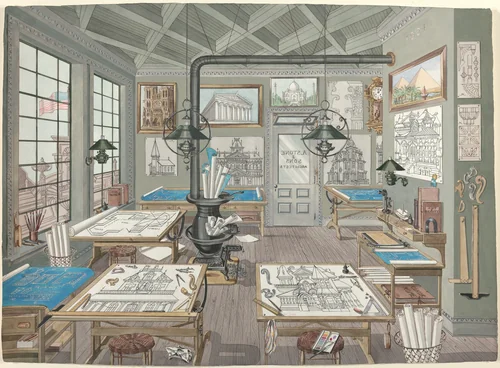
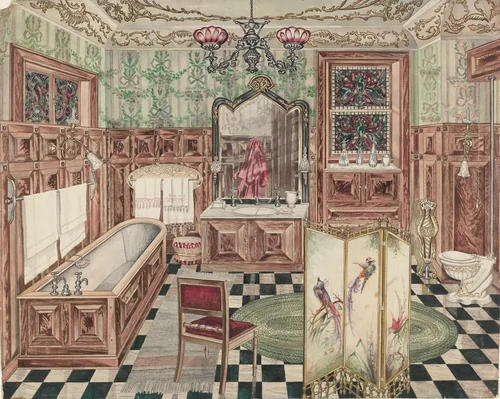
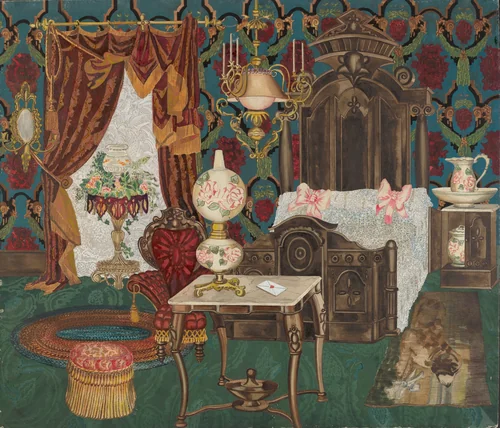
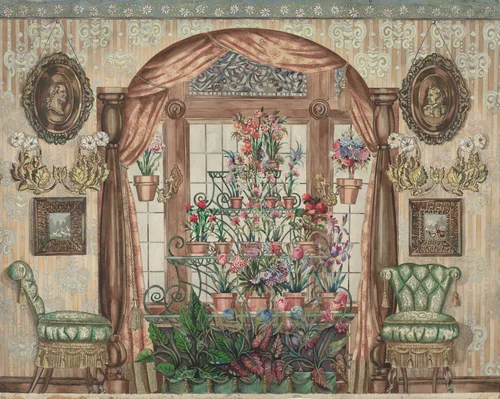
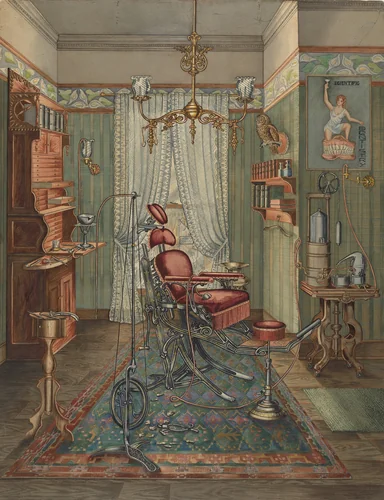
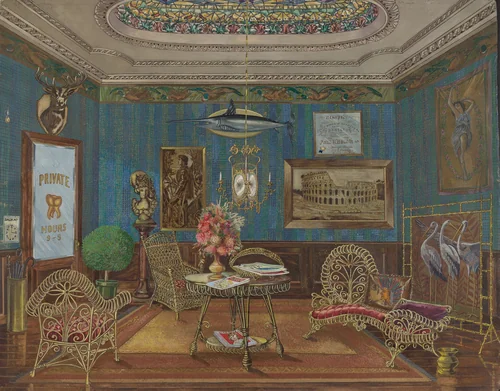
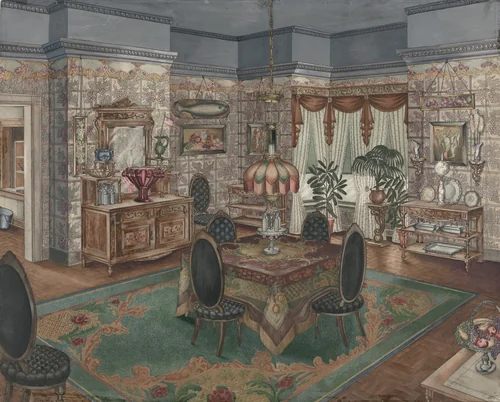
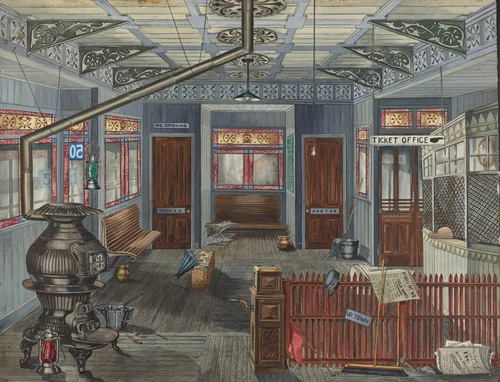
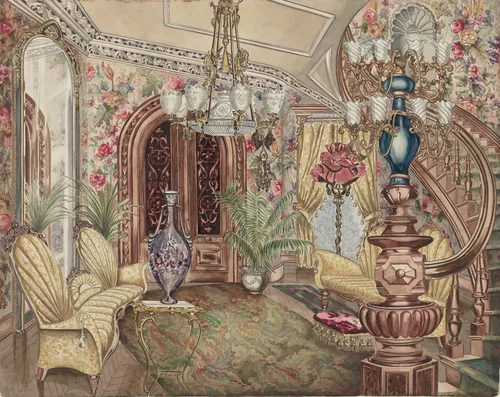
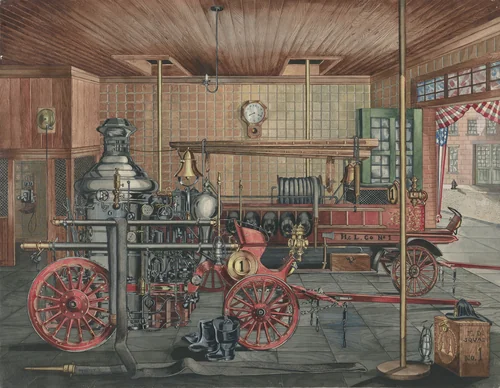
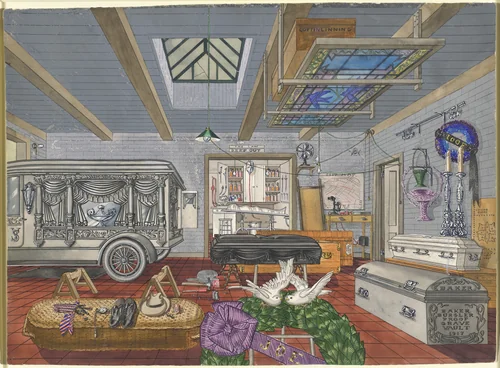
Born in Ogallala, Nebraska, Harnly’s professional trajectory began with characteristic American mobility, traveling to Los Angeles in 1922 before settling permanently in the artistic nexus of New York in 1928. It was here, amidst the cultural shifts of the burgeoning metropolis, that Harnly began to focus on the specific genre for which he is most recognized: highly detailed, atmospheric watercolors depicting Victorian interiors and architectural components. These watercolors, rendered with an almost documentary precision, captured the aesthetic accumulation and inherent complexity of late 19th-century domestic and public scenes.
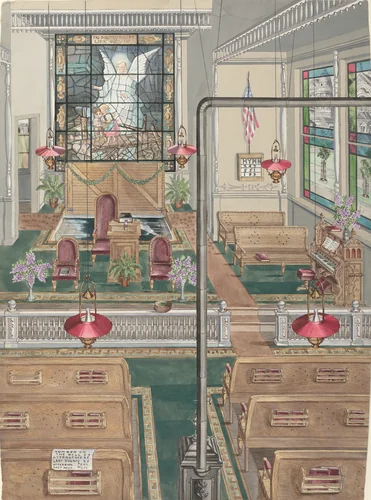
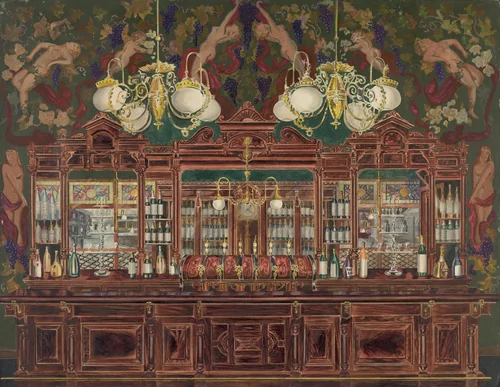
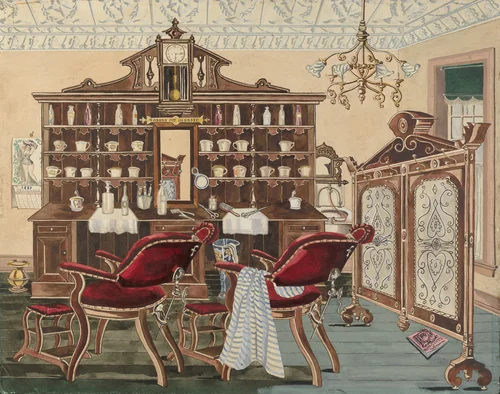
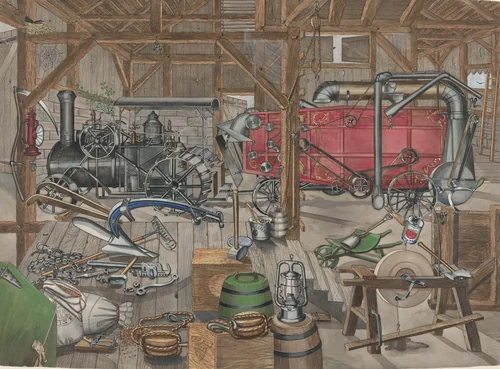
Harnly’s Index entries stand out for their ability to imbue historically mundane settings with unique dramatic character. His portfolio encompasses diverse social and commercial spaces, ranging from rural infrastructure like Barn Gangway to detailed architectural studies such as Baptist Church, 1901 and commercial interiors like Bar and Barber Shop. This keen attention to vanishing American details, rather than focusing on avant-garde artistic statements, gives his output unique historical weight. One might observe that Harnly specialized in documenting the moment just before Modernism swept away all traces of decorative excess, treating the Victorian aesthetic with a complex mix of nostalgia and objective study. Because these historic illustrations were commissioned by the government, they are widely available as public domain assets. Those interested in researching American decorative arts or acquiring Perkins Harnly prints can often find museum-quality downloadable artwork.
Source: Wikipedia · CC BY-SA 4.0