Perino del Vaga
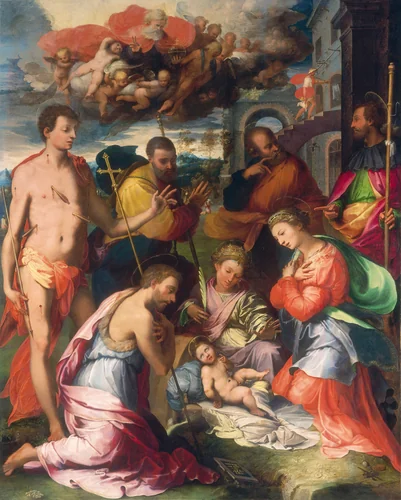
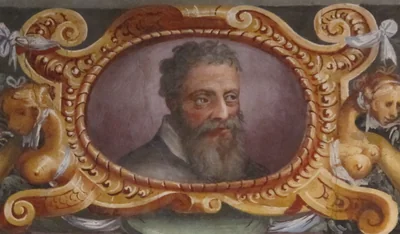
Piero Bonaccorsi, universally known as Perino del Vaga, stands as a crucial figure linking the High Renaissance ideals of Rome with the formal experimentation of early Mannerism. Active during the initial decades of the sixteenth century, this Italian painter and draughtsman became instrumental in defining the sophisticated decorative aesthetic that dominated papal patronage following the death of Raphael.
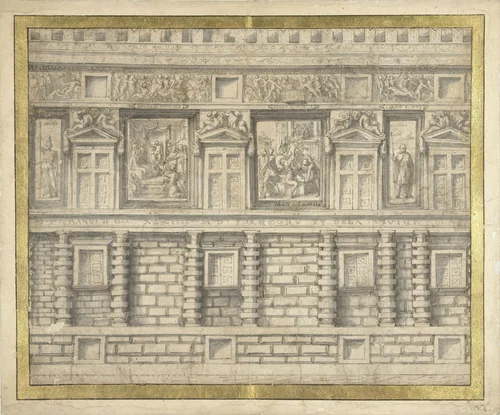
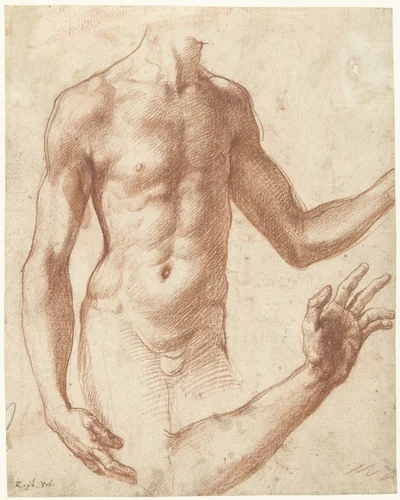
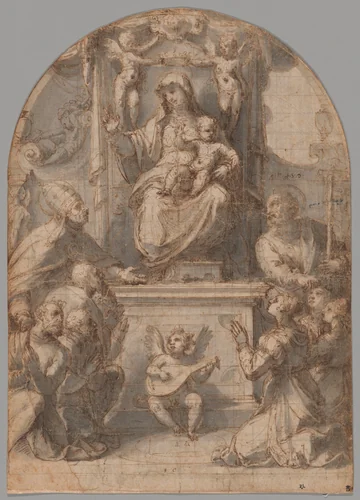
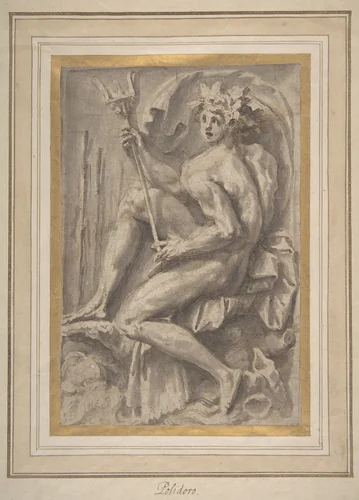
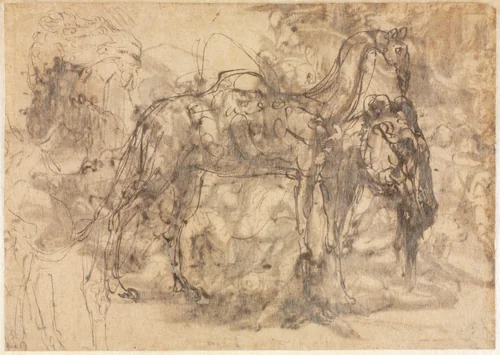
While the catalogue of his Perino del Vaga paintings is impressive, his lasting influence rests primarily on his profound mastery of disegno, or preparatory drawing, a skill that allowed him to visualize and execute vast, complex architectural schemes. Perino excelled at integrating various media, often designing entire interiors that combined fresco, relief sculpture, and elaborate stucco work. His versatility is confirmed by the surviving corpus of his drawings, which ranges from grand historical narratives to minute ornamental details.
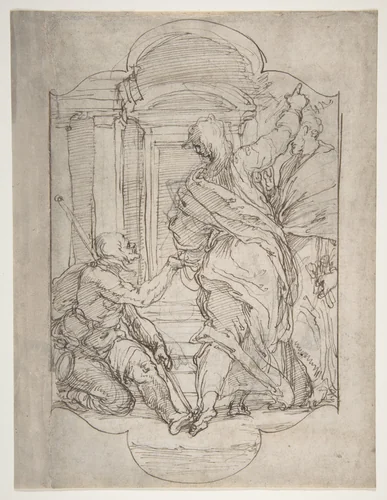
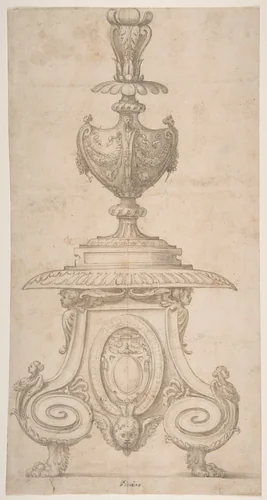
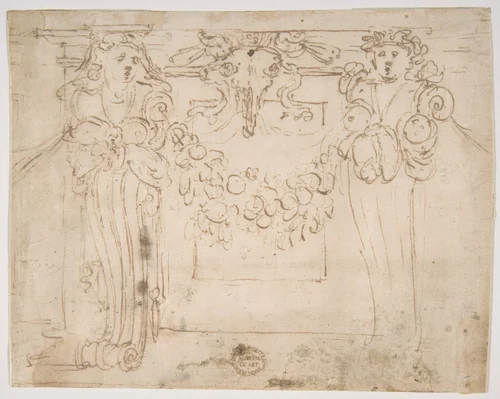
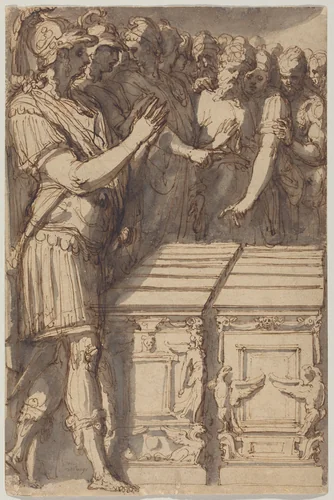
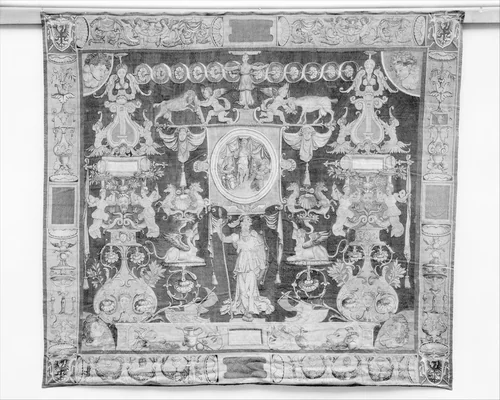
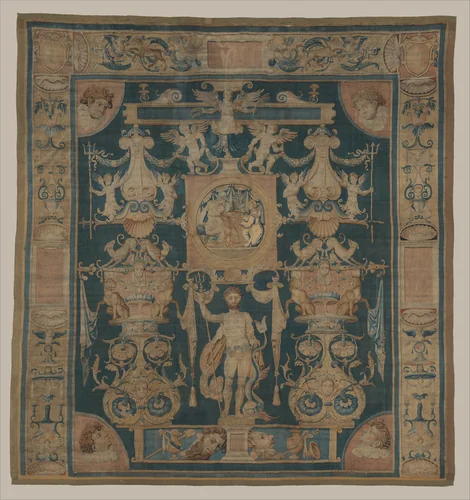
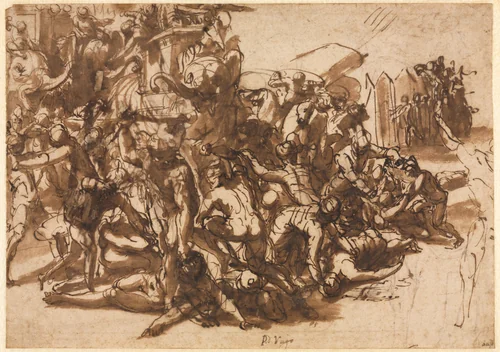
Examples of his ambitious approach include the preparatory study Alexander Cutting the Gordian Knot, designed for a fresco in the prestigious Castel Sant'Angelo in Rome, which showcases his command of classical narrative and dynamic movement. Simultaneously, he applied his genius to smaller, but equally demanding, works of applied design, visible in detailed sheets like Design for a Grotesque Wall Decoration and the intricate Design of a Candlestick with Winged Figures at Base Surrounding Scenic Medallion. These drawings reveal an artist equally comfortable interpreting religious subjects, such as Christ and the Daughter of the Centurion, and dense mythological studies like Allegory or Goddess (Juno?).
Perino’s characteristic style is one of elegant elongation and technical finesse, exhibiting the graceful sprezzatura so prized by the nascent Mannerist sensibility. A defining trait of his career is the sheer quantity of preparatory material surviving today; he appears to have been an artist who meticulously designed every single surface element of an interior space before any work began. His influence was widely felt, and today, his distinctive drawings are housed in leading global institutions, including the Metropolitan Museum of Art and the Rijksmuseum. Fortunately for scholars and enthusiasts, much of this foundational work has entered the public domain, making high-quality prints and downloadable artwork readily accessible.
Source: Wikipedia · CC BY-SA 4.0
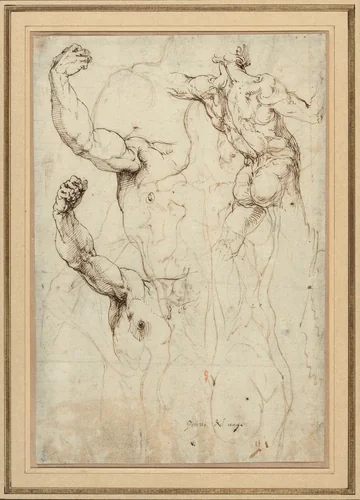
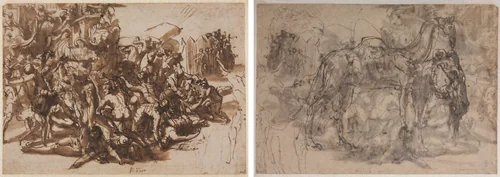
![Figure Studies [recto] by Perino del Vaga, drawing, 1530-1540](https://img.artbee.org/1ebc51d7-641a-4a5d-a85f-db46da8fa8f6/small.webp)
![Figure Studies [verso] by Perino del Vaga, drawing, 1530-1540](https://img.artbee.org/ad7af415-ed1a-4ab9-ba85-5f08fccbae9b/small.webp)