Peltro William Tomkins
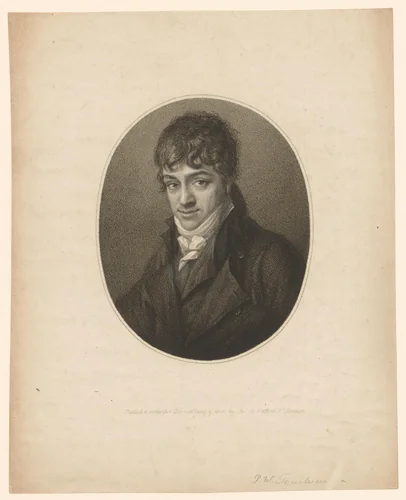
Peltro William Tomkins (1759–1840) was an English engraver and draughtsman whose extensive career spanned the late eighteenth and early nineteenth centuries. Active from approximately 1760 until 1802, Tomkins operated during a period of intense artistic commercialization in Britain, successfully bridging the gap between historical painting and popular, accessible high-quality prints. His works are held in major institutional collections worldwide, including the Rijksmuseum, the Art Institute of Chicago, and the National Gallery of Art, attesting to the enduring museum-quality of his production.
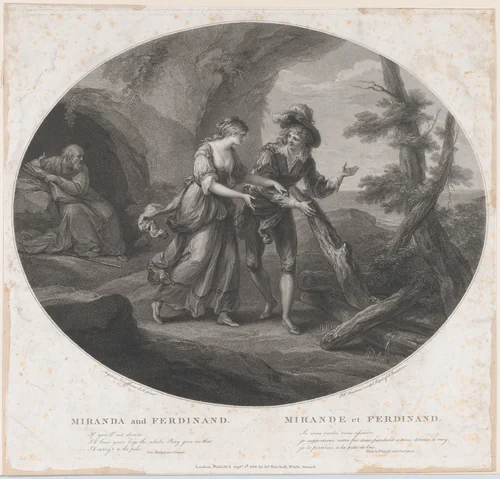
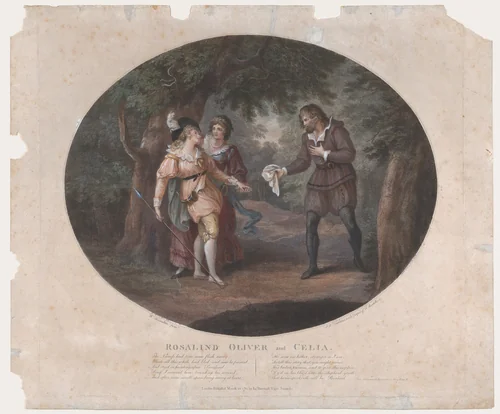
As both a draughtsman and a master engraver, Tomkins excelled at translating complex narrative scenes into finely detailed plates for reproduction. He contributed significantly to the growing national enthusiasm for literary subjects, particularly those drawn from Shakespeare. Works such as Ferdinand and Miranda (from The Tempest) and the dynamic group portrait Rosalind, Oliver and Celia (As You Like It) demonstrate his technical command of composition and emotive gesture, essential qualities for the period's demanding print market.
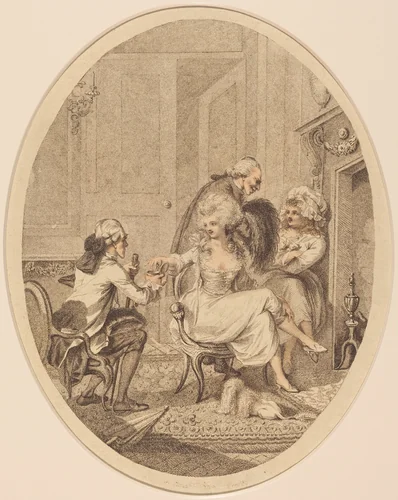
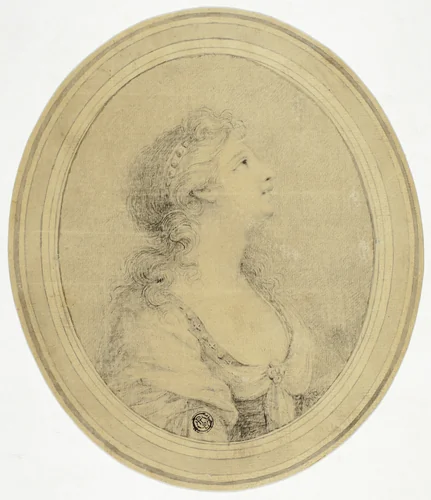
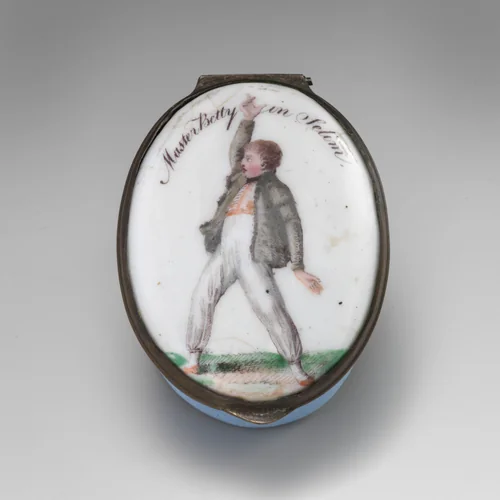
Tomkins's portfolio was not limited to grand literary themes; his technical versatility allowed him to address genre painting, as seen in The French Fireside, and specialized portraiture like Half-Length Portrait of Woman in Profile, Facing Right. The printmaker’s economic role often involved producing small, commissioned objects that blurred the lines between high art and celebrity culture. A particular example of this commercial convergence is the delicate etching found on the Patch box depicting Master Betty, a unique commission immortalizing William Henry West Betty, the sensational child actor known as the “Young Roscius.” This piece confirms Tomkins’s dexterity in applying intricate illustration to common domestic items, reflecting the pervasive influence of visual culture in the late Georgian era.
Tomkins’s contribution to disseminating major artistic concepts through reproducible media cemented his legacy. Today, the substantial body of his engravings has largely entered the public domain, ensuring that these historically significant images are easily accessible. They remain a rich source for study, frequently available as downloadable artwork derived from the original plates.
Source: Wikipedia · CC BY-SA 4.0