Pellegrino Tibaldi
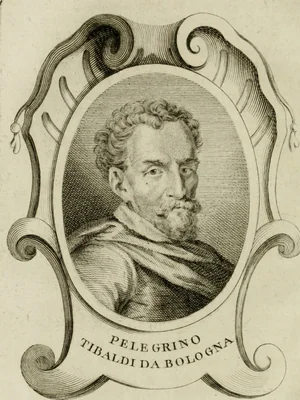
Pellegrino Tibaldi, also known by his imposing full name, Pellegrino di Tibaldo de Pellegrini, was a versatile and essential figure of mid-sixteenth-century Italian Mannerism. Active across architecture, sculpture, and large-scale mural painting, Tibaldi inherited the grand tradition of the High Renaissance and infused it with the intense dynamism and expressive elongation characteristic of the developing movement. His multifaceted career saw him successfully translate complex intellectual theories of art into monumental, often highly decorated, physical spaces.
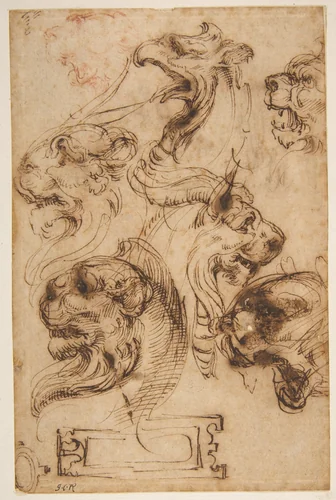
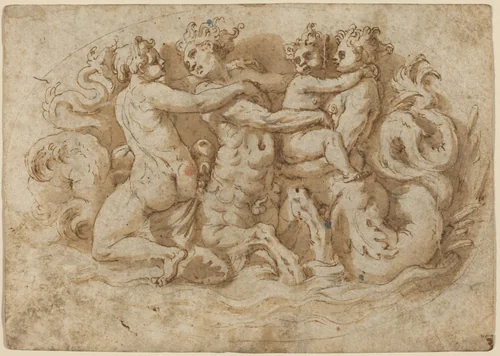
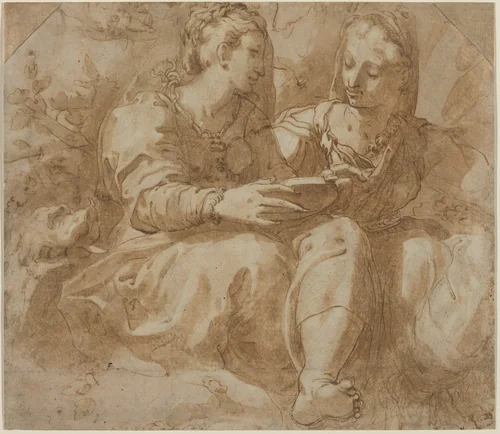
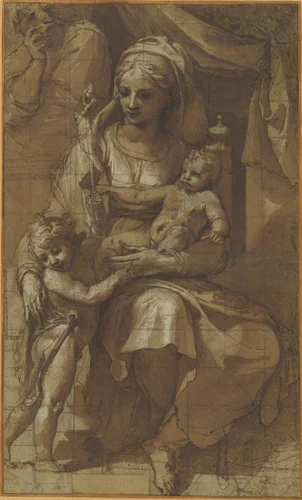
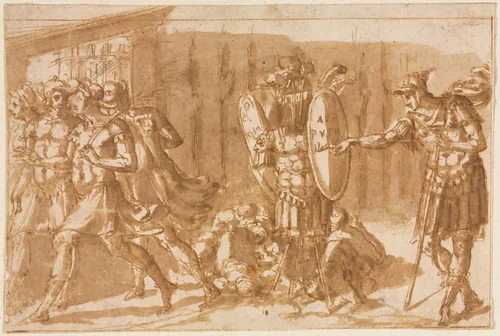
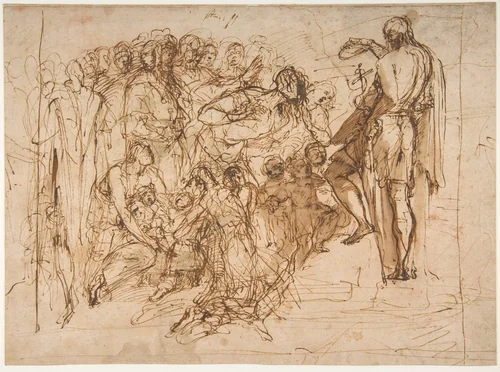
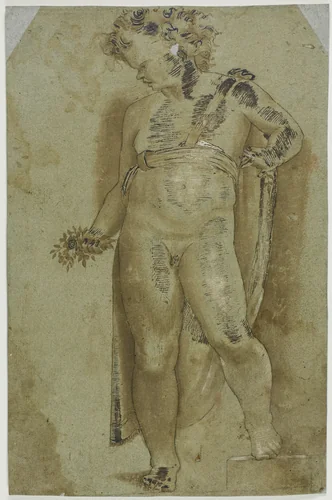
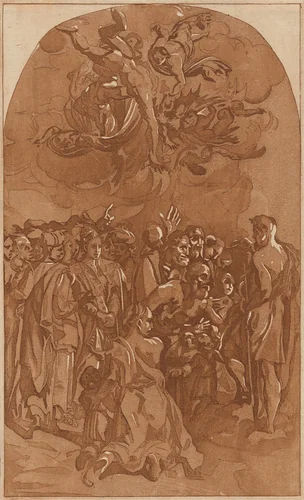
Tibaldi’s significant contribution to drawing is evident in the substantial body of graphic work that survives, held today in prestigious collections internationally. These sheets illuminate his technical rigor and his commitment to complex, often theatrically dramatic, compositions. Preliminary studies such as the masterful marine scene Tritons and Nymphs and the insightful Six Studies of Animal Heads and of a Cartouche showcase a remarkable command of anatomy and narrative arrangement. These drawings, available today as high-quality prints, reveal an artist focused intently on exploring the limits of figurative invention. His finished Pellegrino Tibaldi paintings, whether religious commissions like The Holy Family with the Infant John the Baptist or complex mythological narratives, often utilize intentionally restricted spatial settings, forcing the viewer into an immediate and pressurized encounter with the subject.
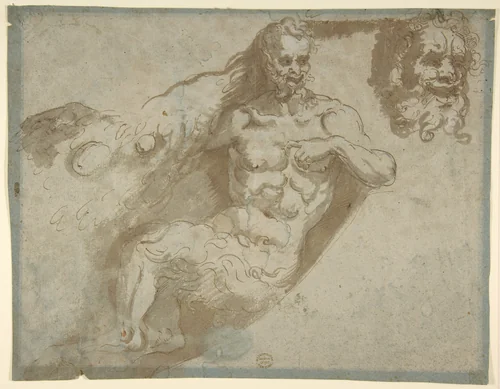
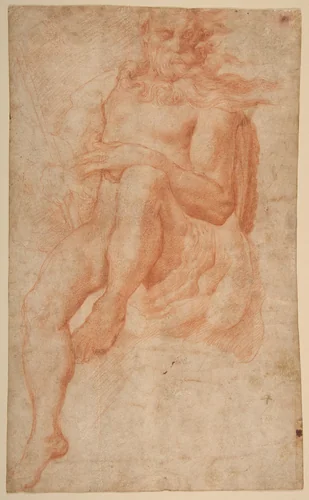
Though often overshadowed in historical discussions by his more famous predecessors, Tibaldi's influence as a designer of both figures and environments was far-reaching. He possessed a rare ability to integrate sculptural details directly into expansive mural cycles, ensuring that the figurative style and the architecture were seamlessly unified. His detailed sketches, such as Seated satyr, with enlarged head of same (recto), testify to his meticulous preparation. It is perhaps this sheer technical virtuosity, sometimes bordering on the idiosyncratic, that makes his work so rewarding for detailed study. Today, much of his preparatory material and graphic output is in the public domain, making his often witty and highly skilled compositions available as royalty-free, downloadable artwork for scholars and enthusiasts worldwide.
Source: Wikipedia · CC BY-SA 4.0