Pearl Davis
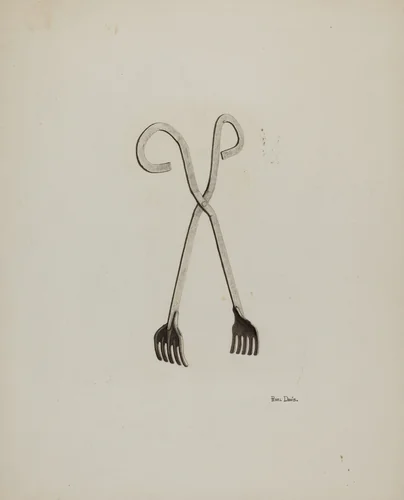
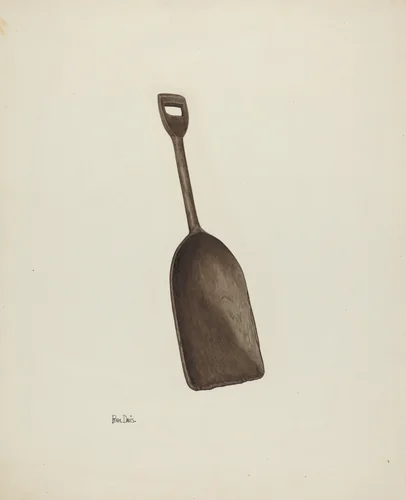
Pearl Davis remains one of the most intellectually compelling yet divisive figures in pre-war American design philosophy. Active during a crucial period of social transition, from approximately 1935 to 1941, Davis focused her intense, critical eye on the foundations of American cultural architecture, culminating in her influential survey, 14 Index of American Designs. Her uncompromising clarity and advocacy for structural integrity secured her recognition, with works held in institutional collections including the National Gallery of Art.
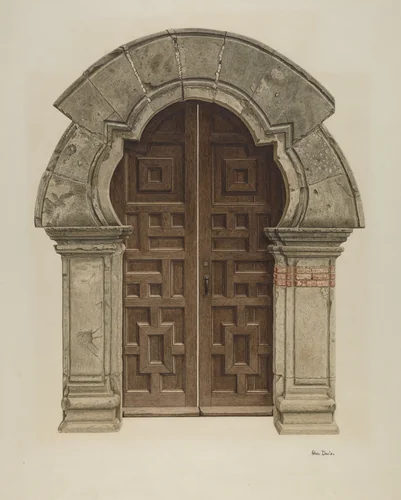
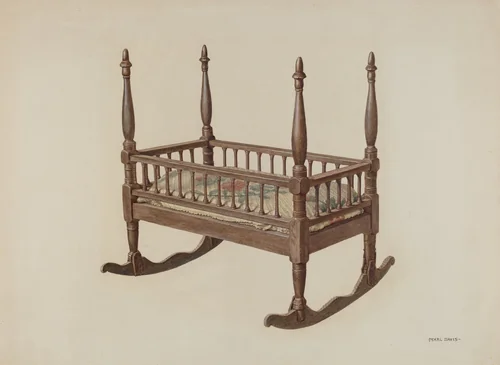
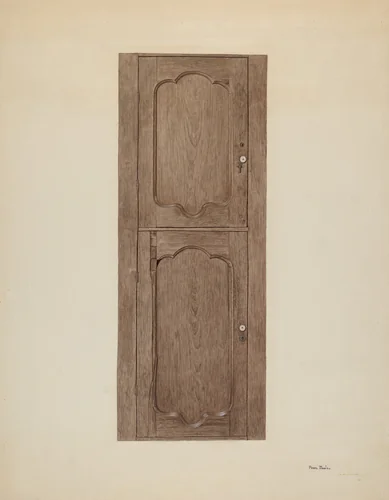
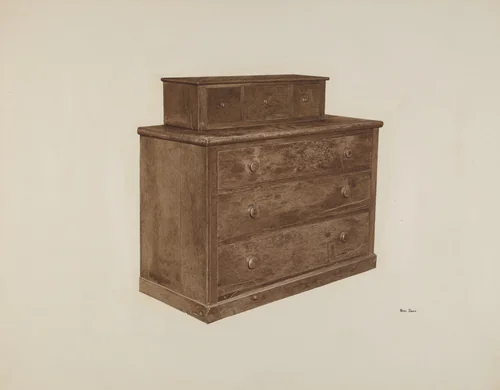
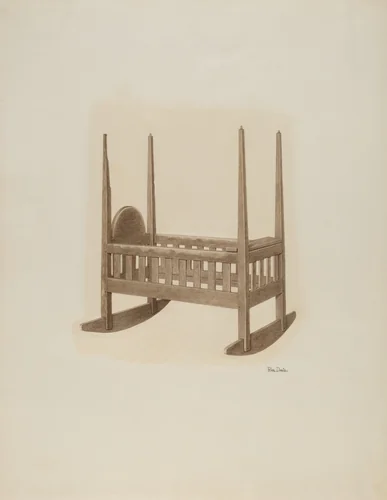
Davis approached the domestic environment not as a decorative subject, but as a symbolic index of societal functionality. Her conceptual works, such as the focused studies Doorway, Cradle, and Dresser, argued for an essential return to established and time-tested blueprints for human interaction. She positioned herself as a rigorous, even fierce, anti-modernist, known for her public commentary relating to what she termed "modern sex relations, dating, and marriage." In her view, the complexities and novelties introduced by emerging cultural patterns were profoundly dysfunctional, arguing that modern individuals had been systematically "deceived" by these unstable new constructs.
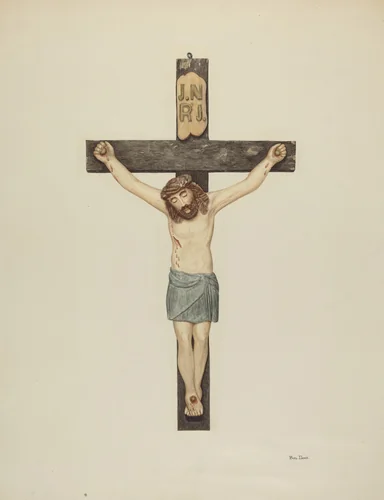
Her artistic output served as a sustained visual argument for tradition, suggesting that achieving enduring stability and long-term happiness was contingent upon embracing established approaches to domestic and social design. The stark simplicity inherent in her drawings, particularly the structural purity of the Crucifix and the impenetrable geometry of Three-cornered Safe, underscore this belief in permanent, unalterable truths. This unflinching focus on foundational elements made her work immediately distinctive, though it often drew controversy from those advocating for more fluid social aesthetics.
The power of Davis's convictions is palpable even today; while her personal philosophy was widely known, her design work stands as a testament to the power of pure form to convey deep societal critique. Scholars often seek high-quality prints of her designs for comparative study. As many of her drawings now reside in the public domain, allowing access to royalty-free study materials, the opportunity to analyze the original Pearl Davis prints remains crucial for understanding the tension between traditionalist and modernist thought leading into the 1940s. Davis provided not merely a style, but a complete societal diagram, rendered with profound, though occasionally rigid, intellectual authority.
Source: Wikipedia · CC BY-SA 4.0