Pauwels van Hillegaert
Pauwels van Hillegaert (1596–1640) was a prominent figure in the early Dutch Golden Age, specializing in documenting the shifting political and martial landscape of the nascent Republic. Operating primarily as a painter and draughtsman, his output focused predominantly on landscapes, military engagements, and equestrian portraiture. These works provide crucial visual documentation of the conflicts and celebratory events of the first half of the seventeenth century. His ability to capture both the intricate movement of cavalry and the specific topography of a site secured his reputation among collectors seeking visual records of national history.
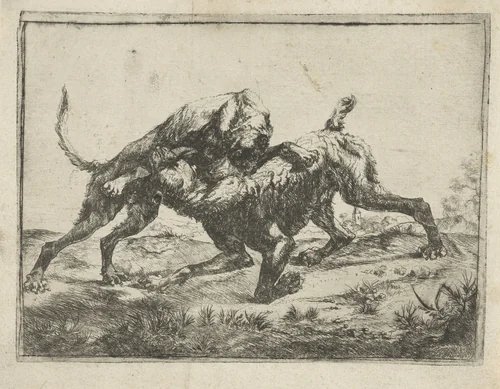
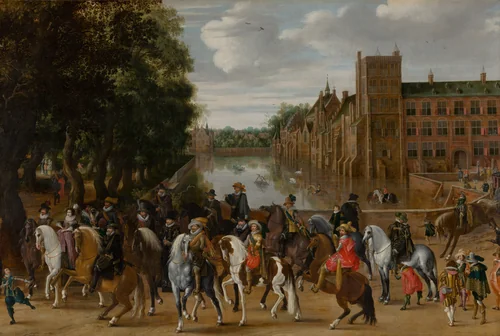
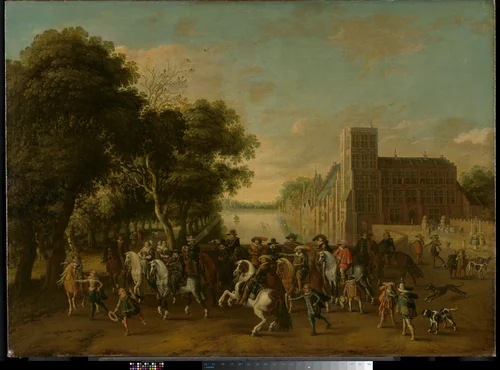
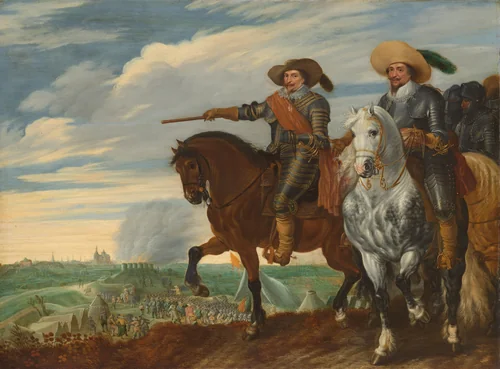
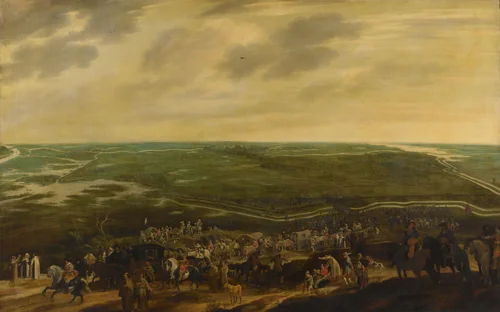
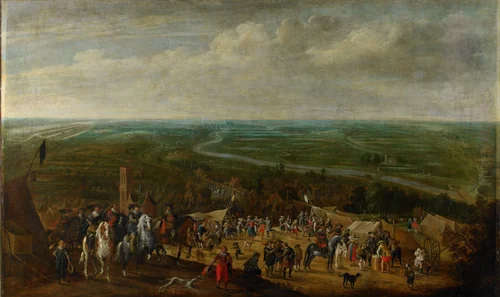
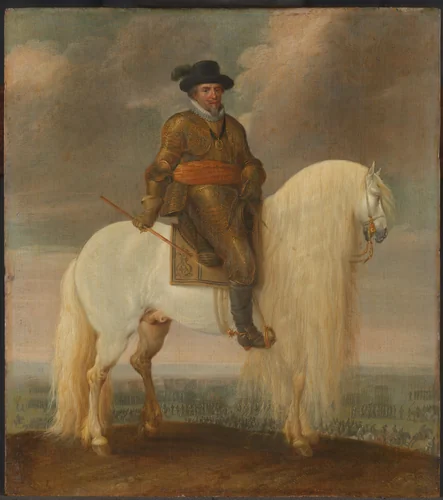
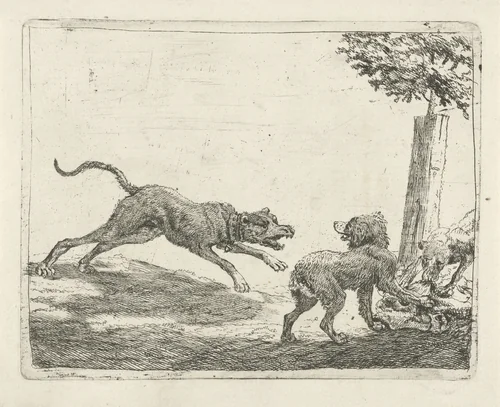
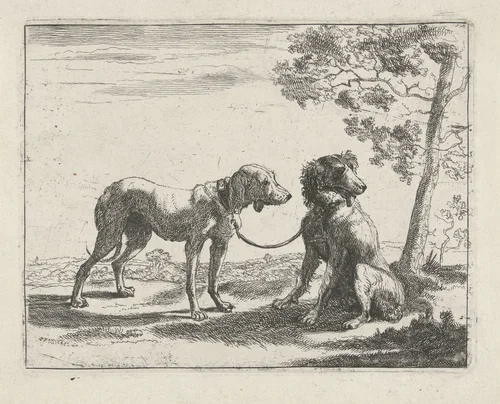
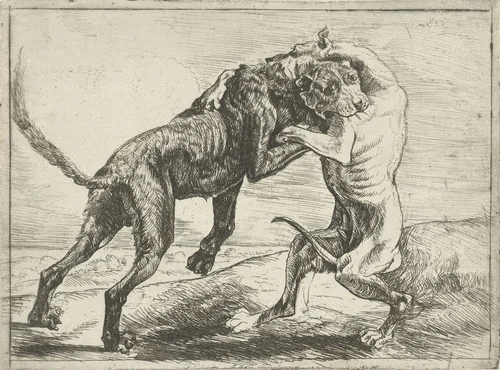
Van Hillegaert excelled in highly detailed history painting, often placing monumental figures against deep, receding vistas. A prime example is Frederick Henry and Ernst Casimir of Nassau-Dietz at the Siege of ’s Hertogenbosch, a work that captures the critical military action of 1629 with documentary precision, satisfying the contemporary demand for visual chronicles of the Eighty Years’ War. He possessed a particular talent for the equestrian genre; pieces like The Princes of Orange and their Families on Horseback, Riding Out from The Buitenhof, The Hague highlight his proficiency in rendering aristocratic dignity and the complexities of courtly movement. Curiously, while known for grand historical tableaux, Van Hillegaert also turned his attention to smaller, less overtly martial themes, as indicated by the existence of the delightful, if dramatically titled, Vechtende honden (Fighting Dogs). It appears even a dedicated military painter occasionally required a study in canine skirmish.
Stylistically, Van Hillegaert's production is often linked to that of his Dutch contemporary, Henri Ambrosius Pacx. Furthermore, biographical evidence suggests he contributed the staffage, or figures, into the landscape compositions of the Flemish painter Alexander Keirincx, who was active in Amsterdam during this period. This collaborative practice reflects the specialized nature of painting production in the Netherlands. Today, Van Hillegaert's historical significance is affirmed by the inclusion of his Pauwels van Hillegaert paintings and draughtsmanship in major institutional holdings, including the Mauritshuis and the Rijksmuseum. For modern enthusiasts of Dutch history and art, much of his original output is now available in the public domain, allowing institutions and individuals access to high-quality prints and downloadable artwork derived from his rare originals.
Source: Wikipedia · CC BY-SA 4.0