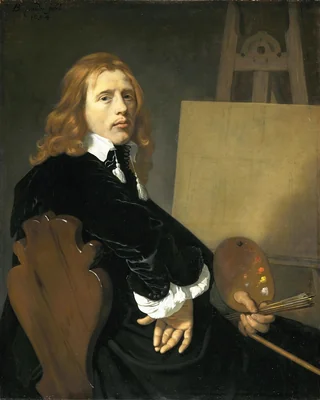
Paulus Potter
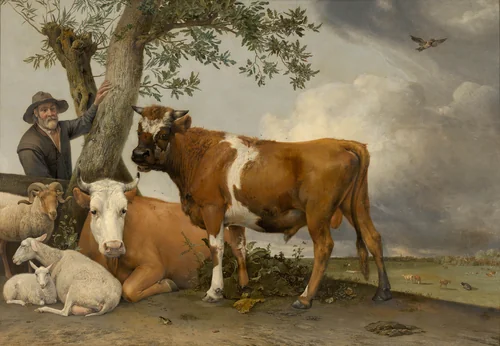
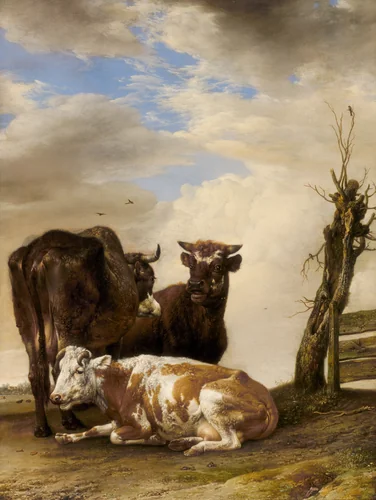
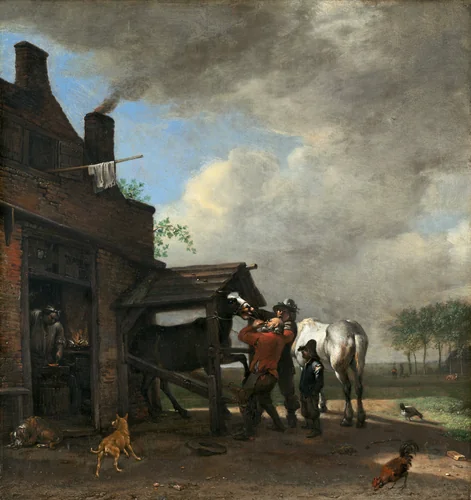
Paulus Potter (1625-1654) holds a distinctive and crucial place within the history of the Dutch Golden Age. Though his career was tragically brief, ending before his twenty-ninth birthday, he redefined the genre of animal painting, elevating it from mere background filler to a subject worthy of monumental study.
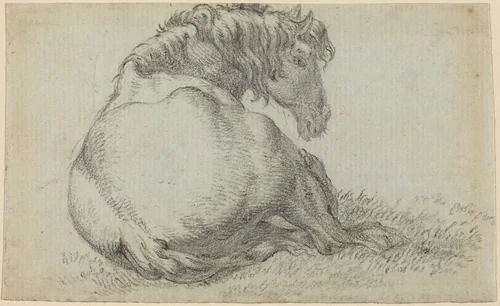
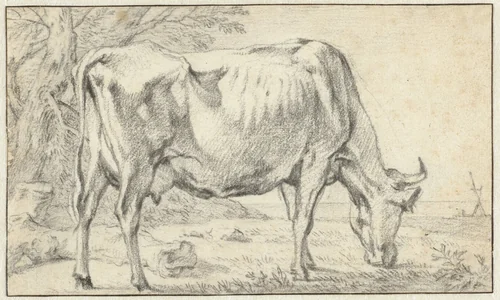
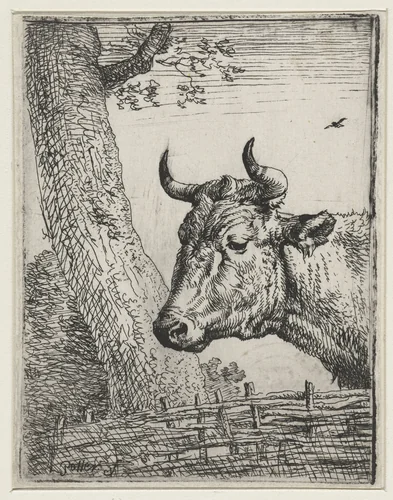
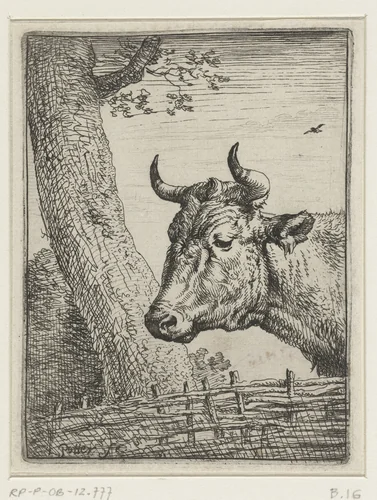
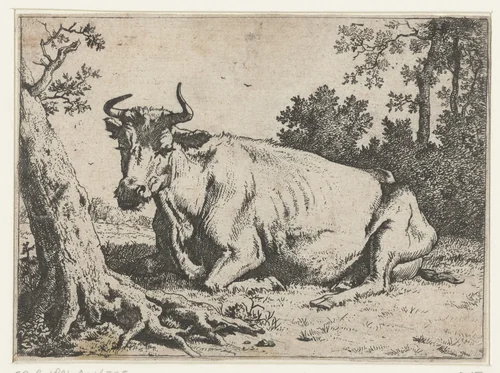
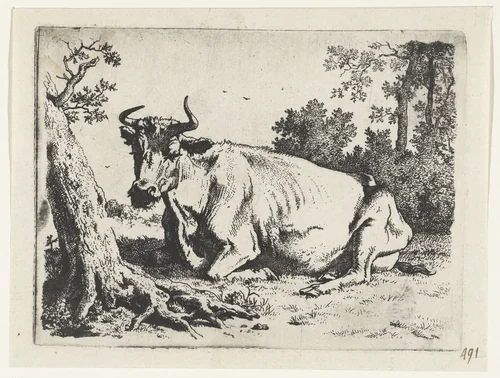
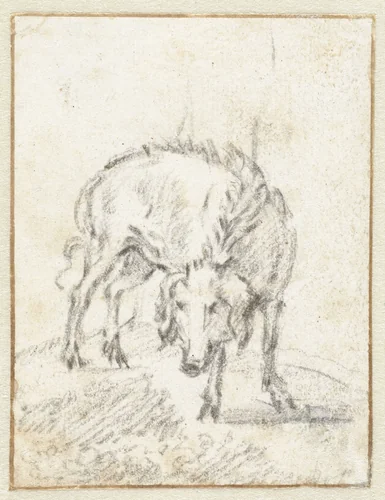
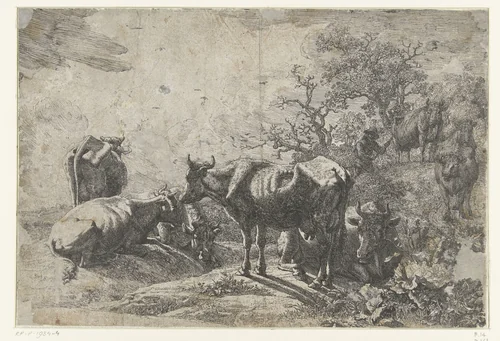
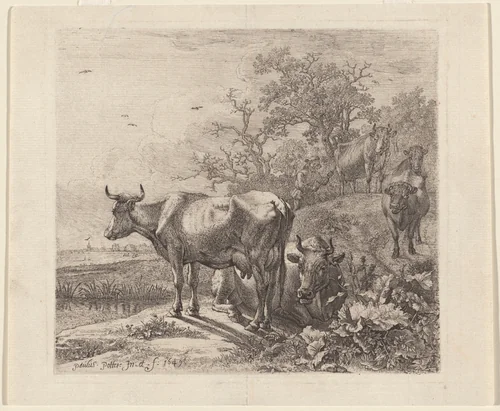
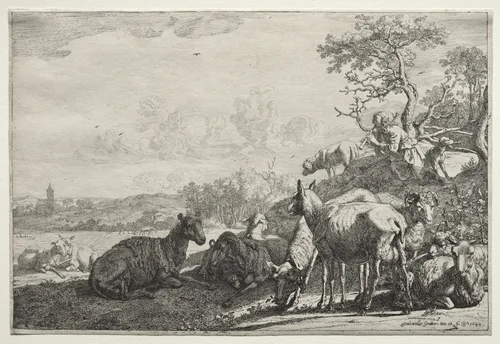
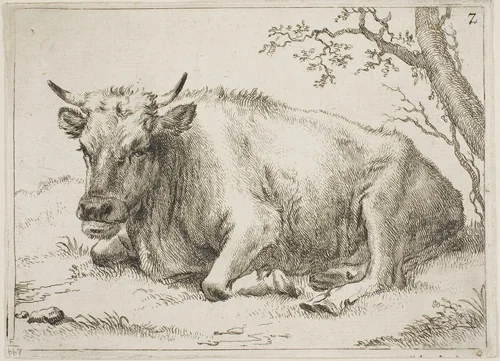
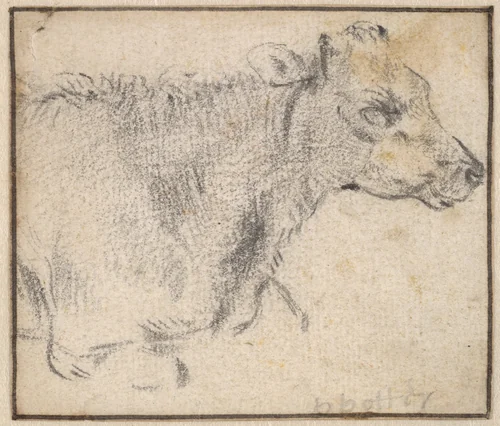
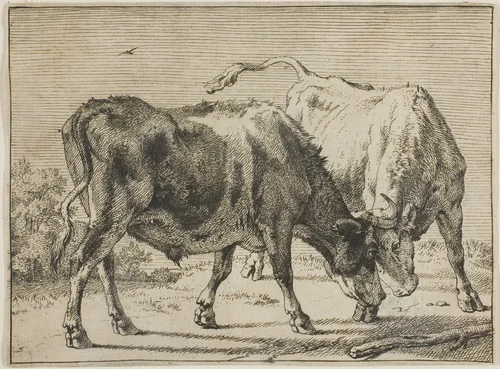
A specialist in rendering animals within landscapes, Potter’s principal innovation lay in his compositional approach. He consistently employed a low vantage point, a perspective that imbued his bovine and equine subjects with tremendous scale and gravity. This technique stripped the livestock of their traditional role as anonymous staffage, transforming them into primary, dignified characters firmly rooted in the Dutch terrain. This masterful observation is clearly evidenced across his surviving graphic works, including the finely detailed drawings such as Kop van een koe and the sensitive study Liggende koe bij een boom.
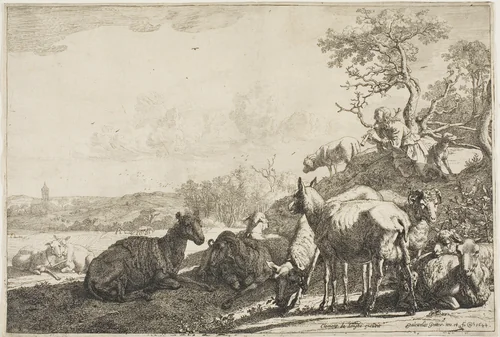
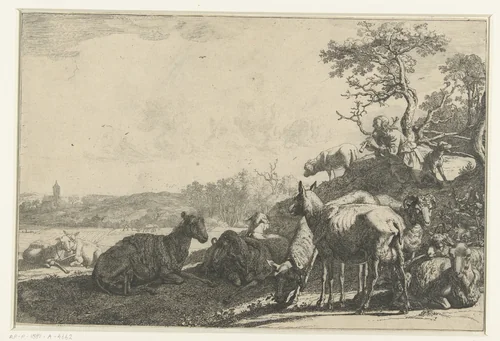
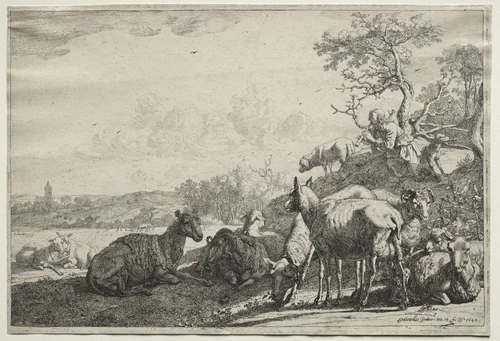
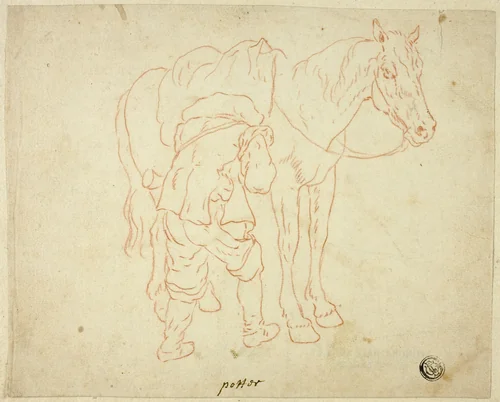
Potter was a prodigious draftsman; despite his short life, his output was substantial, comprising 11 prints and four known drawings, in addition to his prolific work in oil. His precision in rendering texture, light, and anatomical detail established a new standard for naturalistic representation. The enduring impact of these powerful, grounded scenes ensures that original works and high-quality prints are highly sought after by institutions globally. Important examples of his work reside in major international collections, including the Cleveland Museum of Art, the Art Institute of Chicago, and the Rijksmuseum.
The artistic integrity and historical value of his graphic output means that much of his body of work has entered the public domain. This accessibility allows contemporary audiences worldwide to appreciate the skill embedded within historic Paulus Potter prints. His revolutionary dedication to the humble farm animal cemented his legacy, ensuring that the visual language he established remains central to the study of 17th-century Dutch naturalism.
Source: Wikipedia · CC BY-SA 4.0