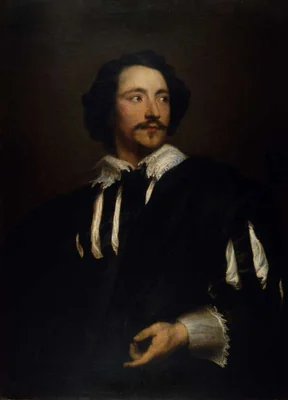
Paulus Pontius
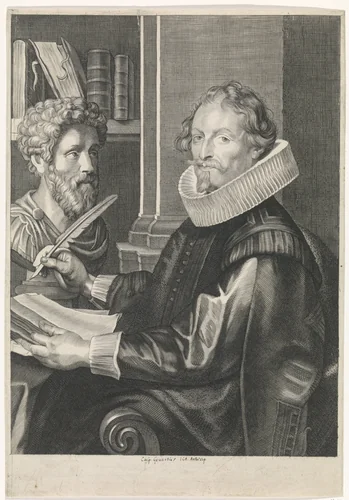
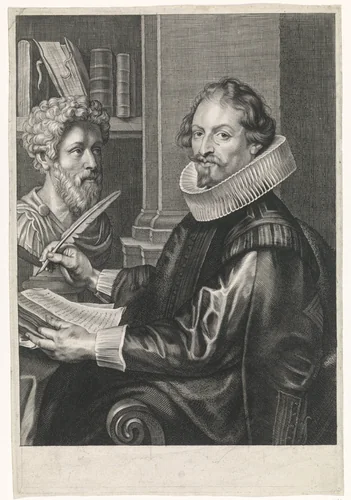
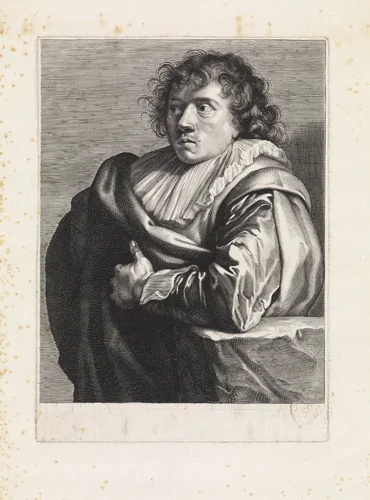
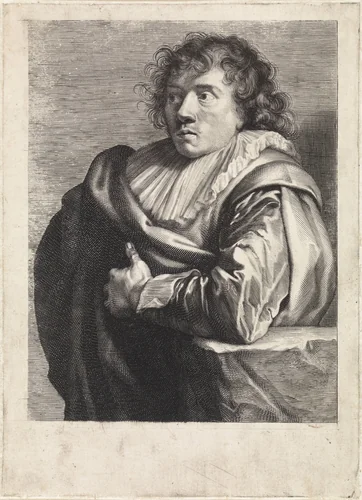
Paulus Pontius stands as a foundational figure in 17th-century Flemish printmaking, renowned for his crucial role in Peter Paul Rubens’s expansive artistic enterprise. Though listed as active across the early decades of the century, Pontius’s career blossomed particularly during his association with the celebrated master’s Antwerp workshop. As one of Rubens’s leading engravers, Pontius was instrumental in disseminating the dramatic Baroque aesthetic across Europe. His dedication to print served as a vital instrument of reproduction, translating the energy, scale, and plasticity of Rubens’s monumental paintings and preparatory sketches into easily distributable media. This collaboration required exceptional technical prowess in marrying the texture and nuance of oil paint with the precision and definition of the burin.
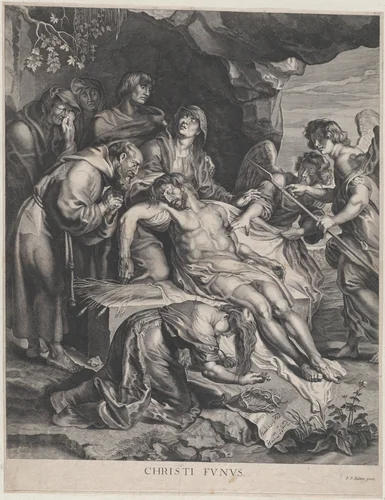
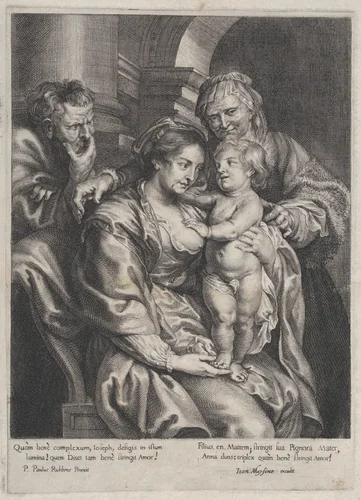
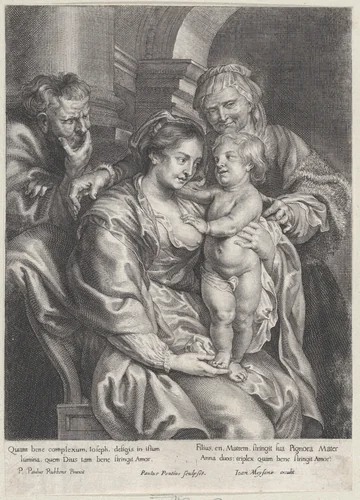
Pontius’s technical mastery allowed him to capture complex compositions, evident in sacred works such as The Lamentation with Saint Francis and Two Angels and the numerous renderings of Marian subjects like Holy Family with Saint Anne. These pieces demonstrate a keen understanding of chiaroscuro and volume, necessary elements for translating the robust forms favored by the Antwerp school into line work.
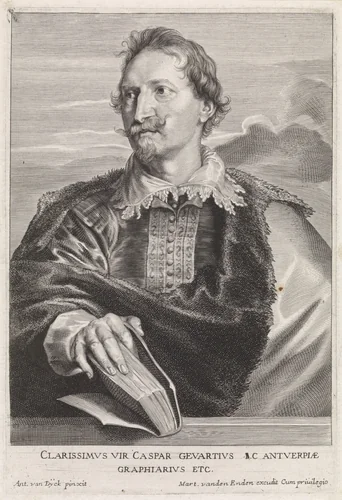
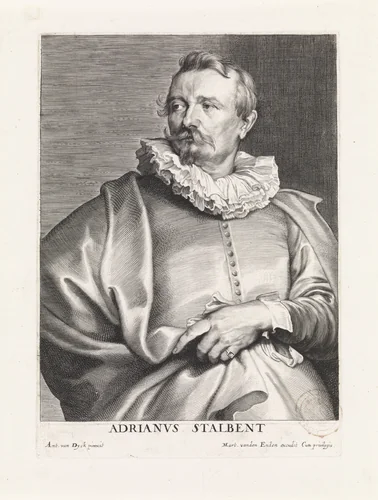
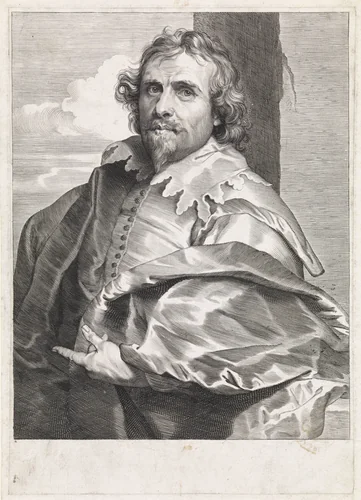
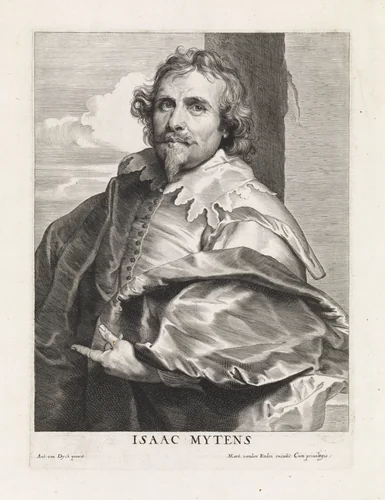
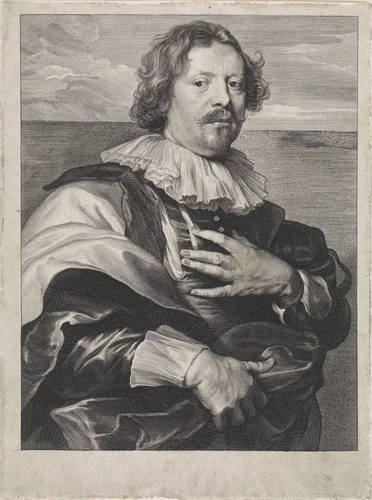
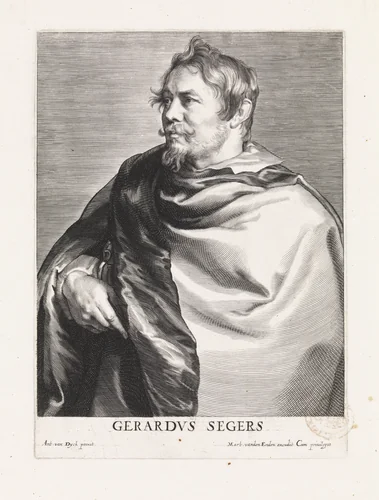
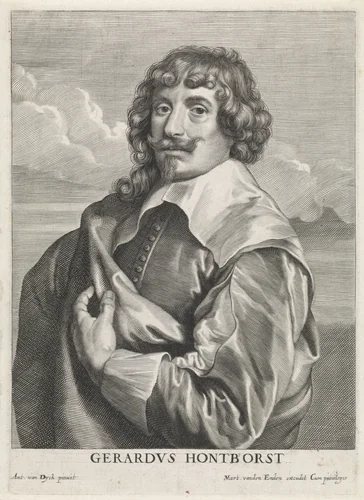
Following Rubens’s death in 1640, Pontius maintained his high standing within the city’s artistic hierarchy, continuing to collaborate with the next generation of Flemish masters. His subsequent output includes significant interpretations of designs by Anthony van Dyck and Jacob Jordaens, ensuring that the legacy of Baroque dynamism continued unabated in the competitive print market.
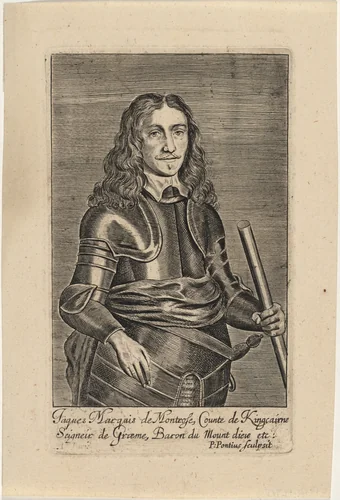
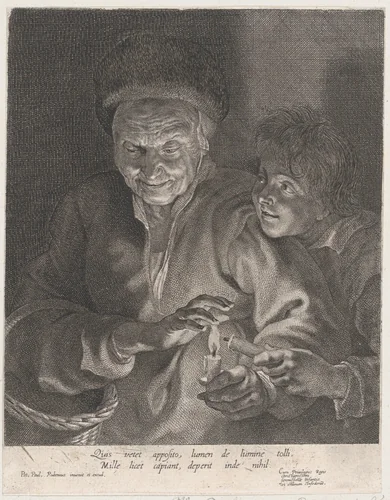
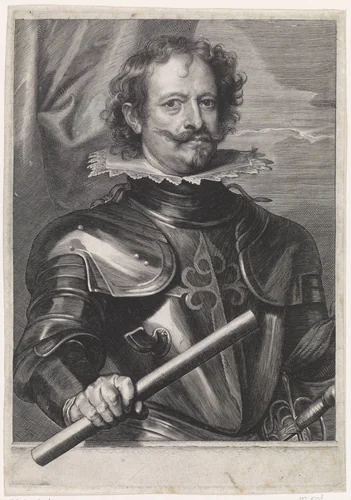
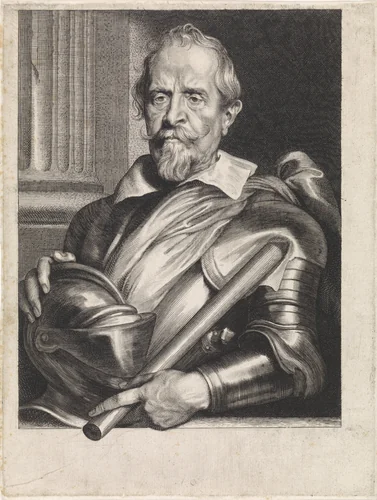
The enduring significance of Pontius lies in his sophisticated approach to translation, a sometimes underappreciated element of art history. He excelled particularly in rendering the gravitas of portraiture, visible in works like the commanding James Graham, First Marquess of Montrose. It is worth noting that even within the confines of large-scale commercial reproduction, Pontius occasionally infused his subjects with a quiet, observational wit, visible perhaps most clearly in the domestic scene, Old woman and a boy with candles, a momentary pause of genre amidst grand religious and royal commissions. Today, his historically significant works are preserved in prestigious institutions globally, including the National Gallery of Art and the Rijksmuseum. Many of these museum-quality images are now available as royalty-free downloadable artwork, ensuring the depth of 17th-century Flemish production remains accessible to the modern enthusiast.
Source: Wikipedia · CC BY-SA 4.0