Paula Modersohn-Becker
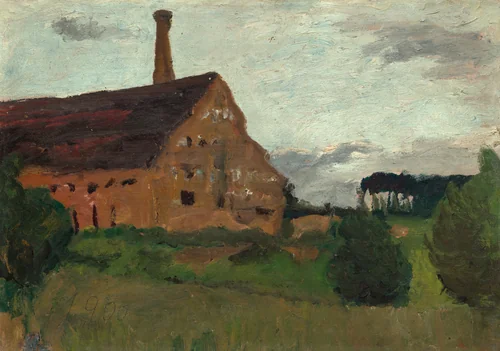
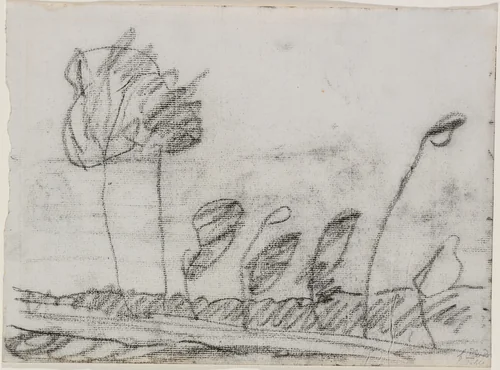
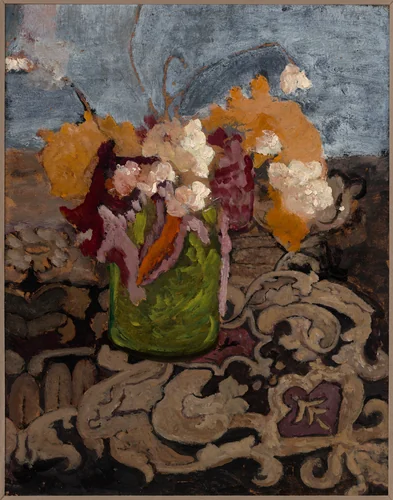
Paula Modersohn-Becker stands as one of the most vital representatives of early German Expressionism at the turn of the 20th century. Her output, despite a tragically brief active life spanning little more than two decades, was prodigious; she generated more than 700 paintings and over 1,000 drawings. Working primarily between 1876 and 1899, she challenged the academic conventions of her time, pioneering a distinctive, modern visual language rooted in the sincerity of rural life and the unvarnished depiction of the human form. She is considered a crucial bridge figure between late 19th-century Naturalism and the forthcoming intensity of early modernism.
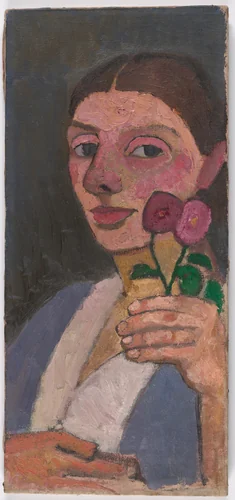
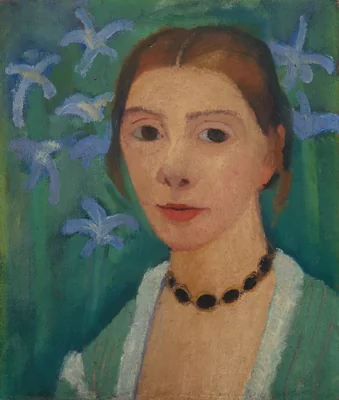
Modersohn-Becker’s most striking contribution lies in her radical approach to the self-portrait. She is widely recognized as the first known woman painter to create nude self-portraits, transforming the historically male gaze on the female body into a deeply personal, psychological exploration of selfhood. Further cementing her status as a radical innovator, she is also credited as the first woman artist to depict herself both pregnant and nude, confronting societal taboos with unflinching honesty. Her studies of the figure, such as Seated Female Nude (Self-Portrait?) and the series of eleven prints documenting local life, reveal a profound empathy and a commitment to simplified, potent forms that define Expressionist intent. It is perhaps a telling sign of her immediate historical impact that she was the first woman to have a museum dedicated exclusively to her art.
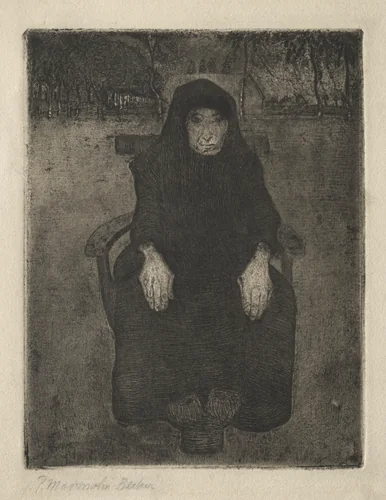
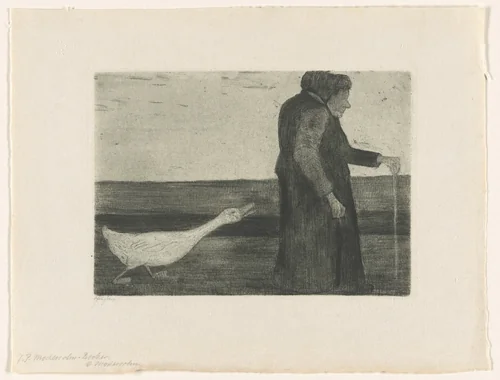
The database of Paula Modersohn-Becker paintings and drawings reflects her dedication to fundamental, unsentimental subjects. She often focused her eye on the laborers and the elderly, figures marginalized by academic art. Works like Old Woman and the sensitive depiction, Oude vrouw en meisje treuren bij een waterput, demonstrate her powerful affinity for the simple dignity of the peasant life encountered during her time in the Worpswede artist colony. Today, her works reside in major collections, including the Art Institute of Chicago and the Museum of Modern Art. Fortunately for contemporary admirers, many works are now entering the public domain, offering access to high-quality prints and downloadable artwork that allow for close study of her seminal vision.
Source: Wikipedia · CC BY-SA 4.0