Paul Ward
Paul Ward holds a distinctive, if specialized, position within the American art historical record, primarily defined by his precise contributions to the Index of American Design (IAD). Active specifically during the mid-1930s, between 1935 and 1936, Ward was enlisted in one of the most significant governmental cultural endeavors of the era. Operating under the Works Progress Administration, the IAD commissioned thousands of artists to systematically record the history of American decorative, industrial, and folk arts. This ambitious project aimed not only at cultural preservation but also at providing employment to artists during the Great Depression.
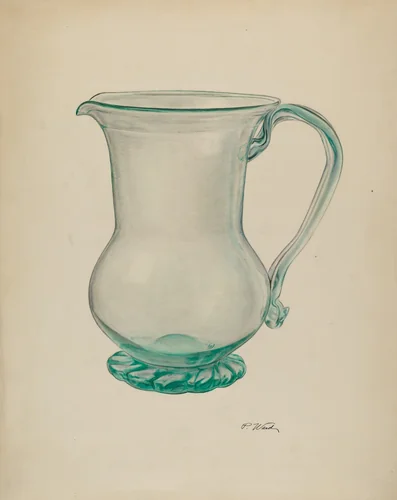
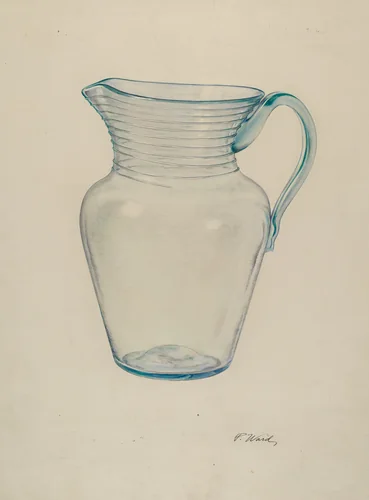
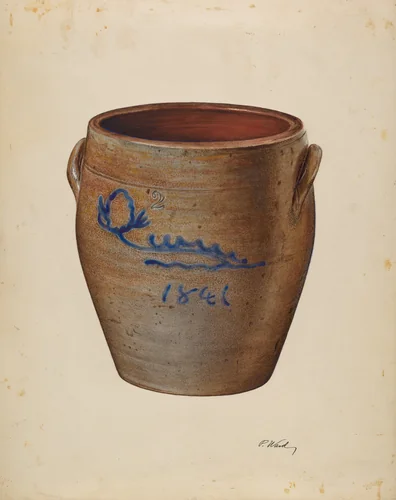
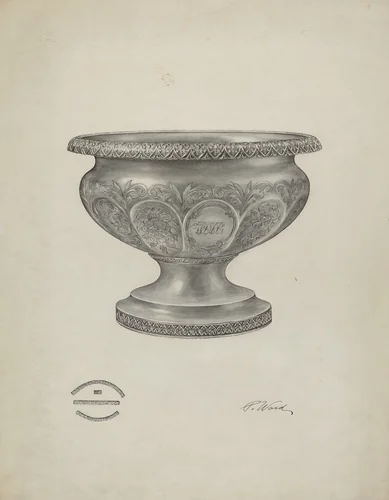
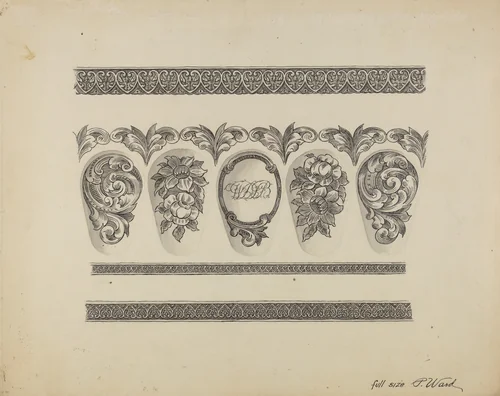
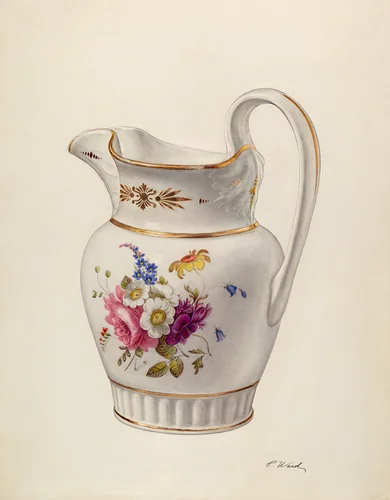
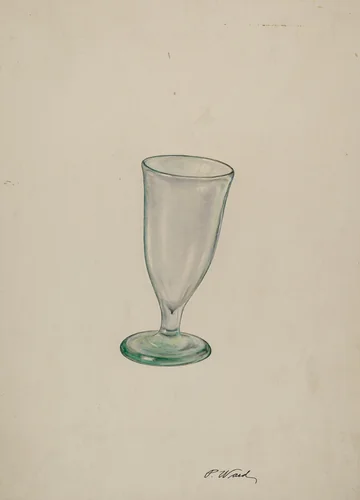
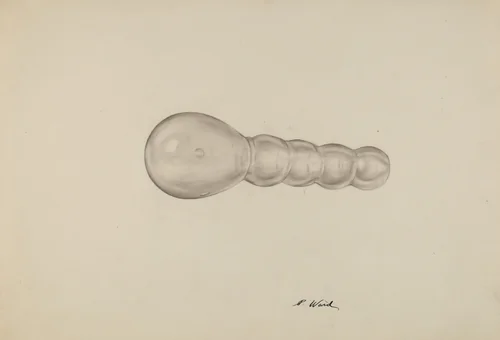
Ward's fifteen known works associated with the Index, now housed in the National Gallery of Art, Washington D.C., exemplify the meticulous standards demanded by the IAD mandate. His renderings were fundamentally documentary, focusing on the material truth and structural integrity of everyday objects dating from the colonial period through the nineteenth century. Drawings such as the studies of a Camphene Lamp, various Cup Plates, and a polished Decanter required exceptional technical skill to capture subtle variations in texture, reflection, and craftsmanship. These detailed studies transcend simple illustration, functioning as definitive visual records that preserve the aesthetic lineage of American material culture.
The enduring relevance of Ward’s precise draftsmanship is found in its continued utility; the drawings serve as source material for historians, curators, and modern designers seeking to understand early American manufacturing. Unlike many contemporaries in the 1930s who prioritized dramatic self-expression or abstract interpretations, Ward committed to clarity and historical accuracy. It is perhaps the most subtle observation regarding his legacy that an artist so dedicated to documenting tangible American beauty remains himself a figure known almost exclusively through his professional output; few biographical details beyond his IAD service years are reliably known.
Yet, Ward’s meticulous records of utilitarian objects retain broad accessibility today. Due to their origins in a federal program, these works are effectively in the public domain, allowing institutions to offer them as royalty-free downloadable artwork. This accessibility ensures that Paul Ward prints and related studies remain widely available, frequently presented by major collections as museum-quality, high-quality prints reflecting the original precision of the draftsman’s hand.