Paul Troger
Paul Troger stands as a towering figure of the Austrian Late Baroque, an influential painter, draughtsman, and printmaker who helped define the era’s taste for dynamic illusionism and celestial light. Born in 1698, his prolific output centered on large-scale religious commissions, transforming the interior decoration of ecclesiastical and imperial spaces across Central Europe. His innovations in composition and palette established a crucial bridge between the high drama of the 17th century and the refined elegance of the emerging Rococo sensibility.
Troger is most celebrated for his monumental ceiling paintings executed in fresco. These works are fundamentally illusionistic, designed not merely to decorate the architecture, but to shatter its perceived boundaries, pulling the viewer’s eye upward into complex, multi-figured celestial narratives. A key stylistic signature is the dramatic vitality of movement; figures appear suspended in moments of high action, often placed at precarious angles that suggest overwhelming divine intervention.
Crucially, Troger departed from the deep shadows and heavier palettes favored by some earlier Baroque masters. He embraced a notably lighter, almost effervescent color scheme. This shift toward brilliant illumination and delicate pastels emphasized aerial perspective and helped to define the distinctive, buoyant quality of 18th-century Central European religious art.
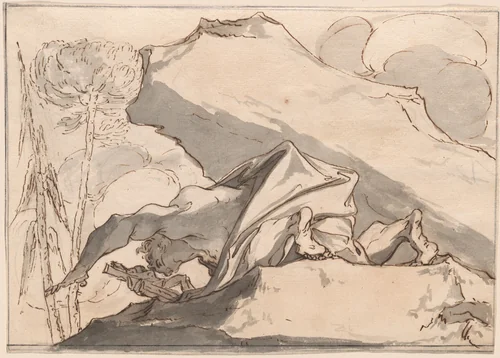
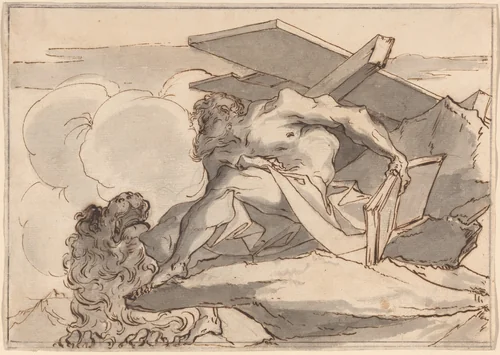
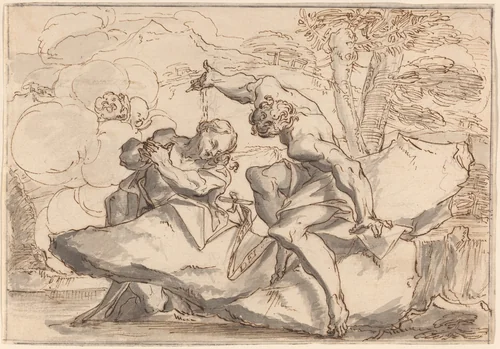
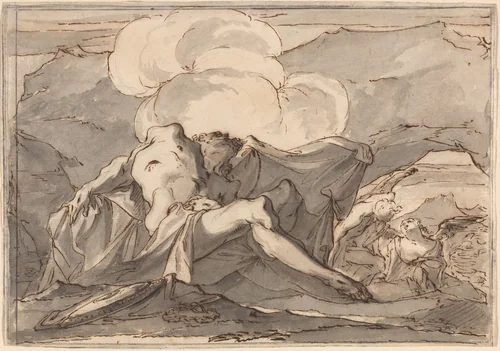
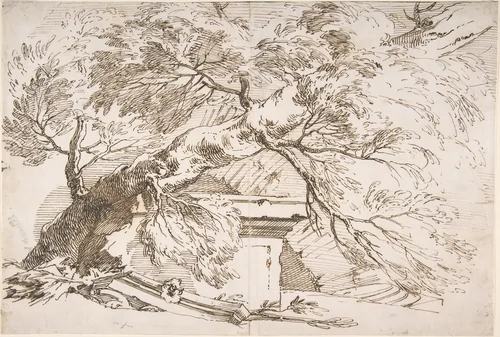
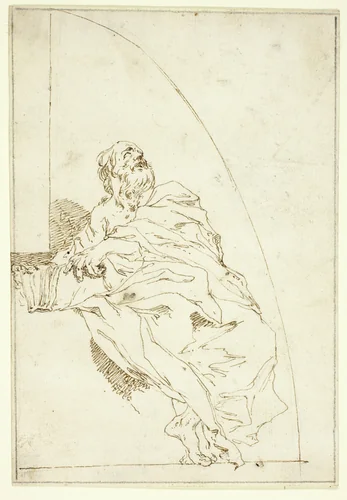
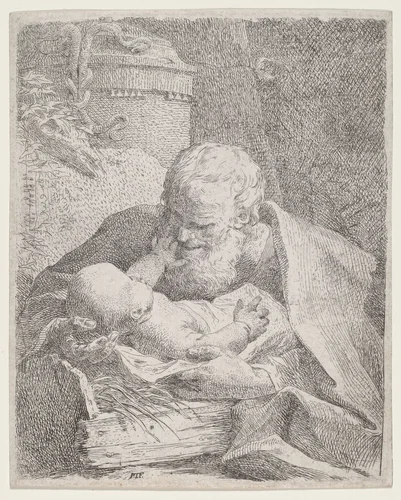
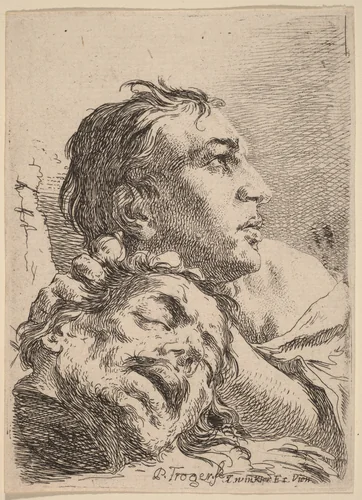
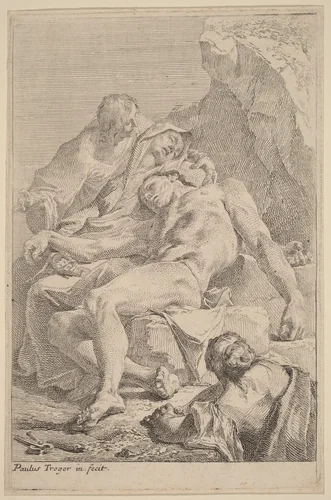
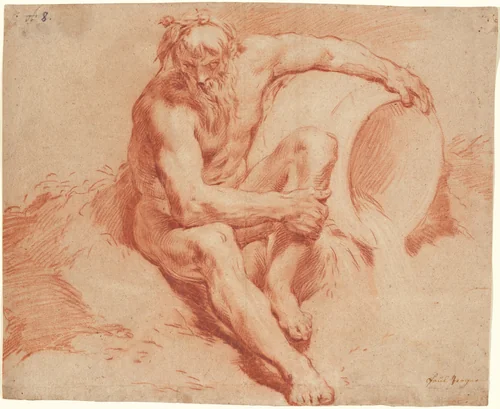
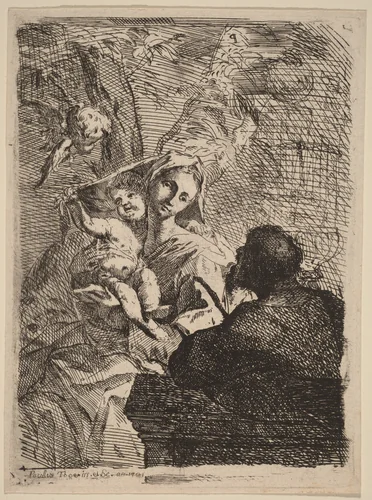
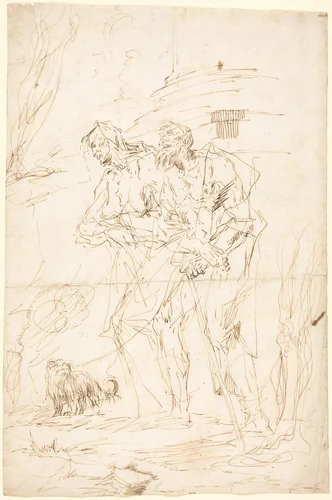
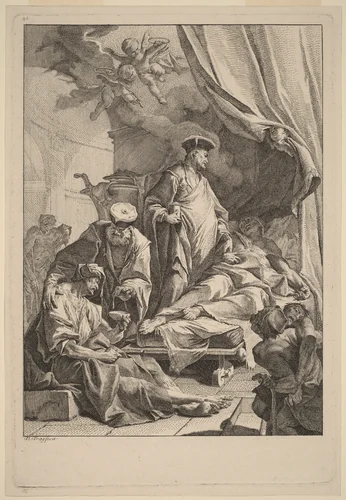
While his fame rests on his architectural frescoes, Troger maintained a vigorous practice in preparatory drawing and printmaking, disciplines that offer valuable insight into his compositional genius. Works such as the study The Dead Christ with Angels and Saint Jerome in the Wilderness illustrate his mastery of light and shadow, even on a reduced scale. These graphic pieces, often available as high-quality prints, are held in prestigious collections globally, including the Metropolitan Museum of Art and the National Gallery of Art, demonstrating their continued museum-quality relevance.
His works, spanning his active period between 1698 and 1735, show an artist achieving a difficult balance: the sheer spectacle of Baroque drama contained within a framework of refined, almost graceful execution. Today, researchers studying his technique benefit from access to his preparatory works available as downloadable artwork, furthering appreciation for the complexity of the Paul Troger paintings and prints.
Source: Wikipedia · CC BY-SA 4.0