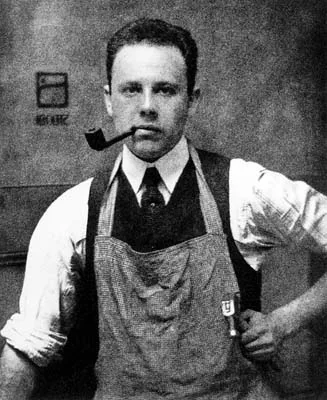
Paul Strand
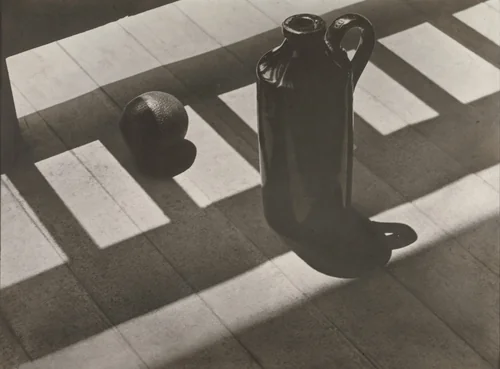
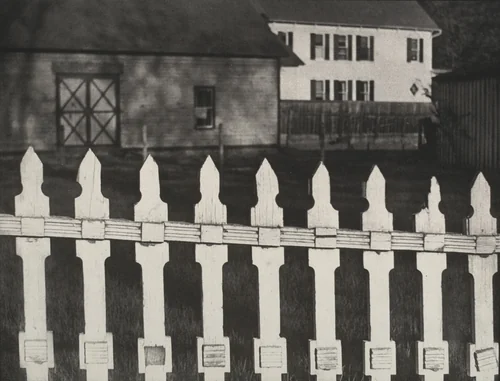
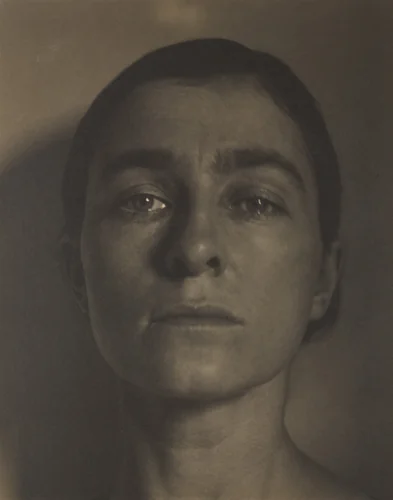
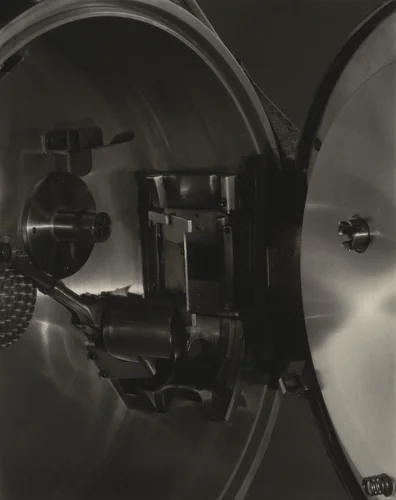
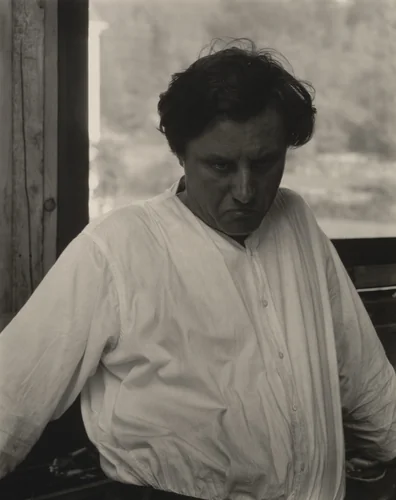
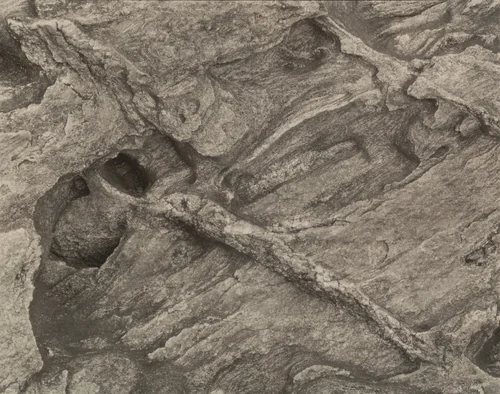
Paul Strand (1890-1976) stands as a foundational figure in 20th-century photography, instrumental in legitimizing the medium as fine art. Alongside contemporaries such as Alfred Stieglitz and Edward Weston, Strand helped redefine the aesthetic possibilities of the camera, establishing the tenets of photographic modernism that prioritized sharp focus, clarity of detail, and formal composition.
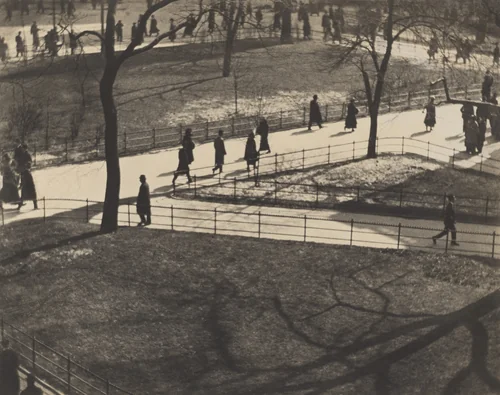
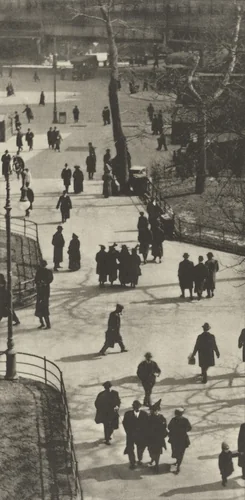
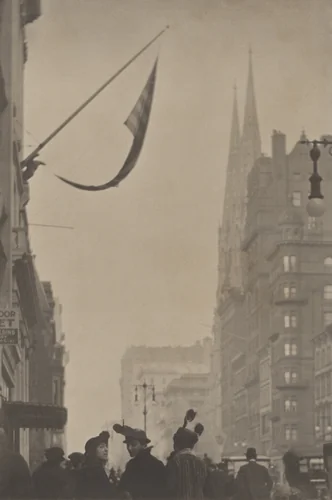
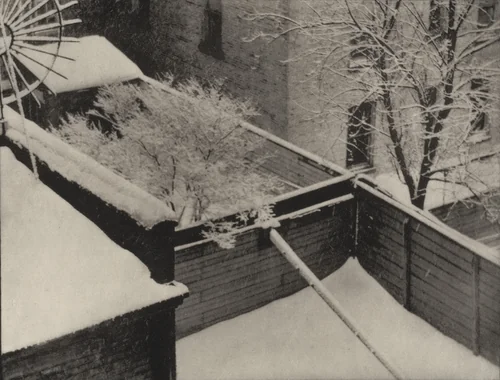
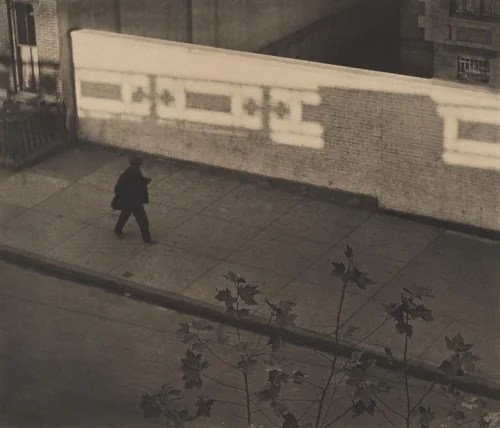
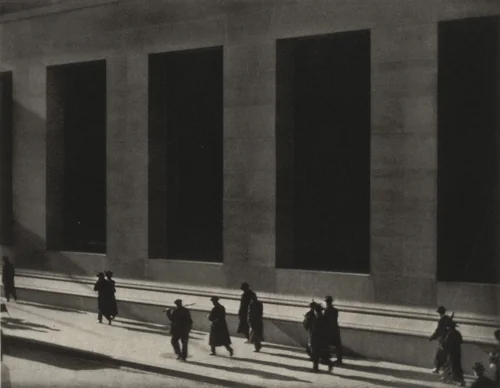
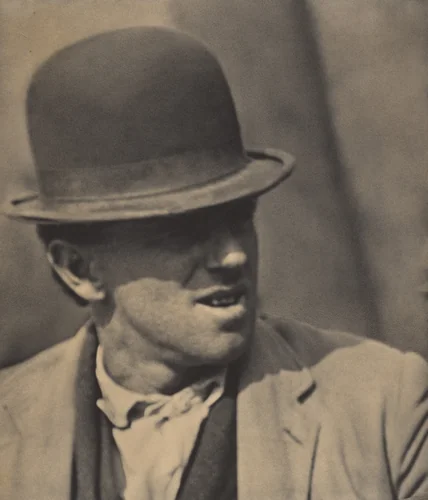
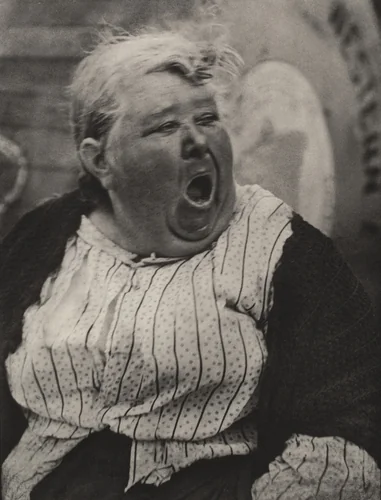
Active in New York during the critical period of 1915-1916, Strand moved decisively away from the soft-focus, romantic tendencies of the Pictorialist style prevalent at the turn of the century. Championed early on by Stieglitz through the galleries and journal Camera Work, Strand adopted what was later termed the ‘straight’ aesthetic. This approach emphasized candid realism, architectural clarity, and the formal structure of urban life. Early works such as Fifth Avenue, New York and Snow, Backyards, New York City reveal his developing mastery of tone and geometric composition, transforming everyday scenes into strikingly composed formal studies. The images from this period, including Central Park, New York and City Hall Park, New York, remain highly valued for their early commitment to precision.
Strand’s influence extended beyond purely formal concerns. He maintained a strong conviction regarding the social utility of art, evidenced by his co-founding of the Photo League in 1936. This cooperative championed both aesthetic excellence and social documentation, connecting the formal innovations of modernism with the urgent needs of documentary practice and fostering a generation of socially conscious photographers.
His diverse and monumental body of work ultimately spanned six decades, covering numerous genres and subjects throughout the Americas, Europe, and Africa. Despite his unwavering commitment to technical precision and clarity through the lens, Strand was never purely a formalist; he remained deeply fascinated by the human relationship to landscape and structure, a quality visible even in his earliest urban compositions. Today, his iconic images, recognized globally for their museum-quality execution, are held in major collections, including the Museum of Modern Art. Scholars and enthusiasts can find high-quality prints of his work, increasingly available in the public domain, confirming his lasting legacy as a pioneer of the medium.
Source: Wikipedia · CC BY-SA 4.0