Paul Sérusier
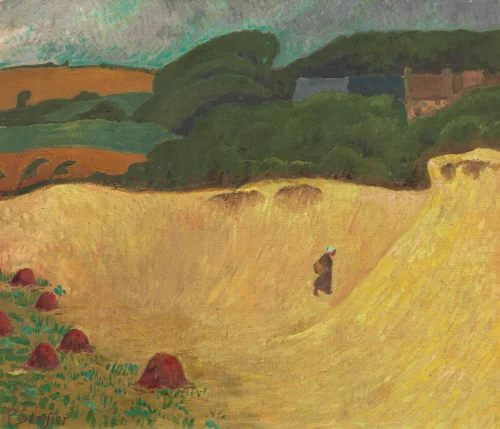
Paul Sérusier (1864–1927) is recognized as a critical transitional figure in the history of French modernism, whose radical theoretical approach helped launch two major avant-garde currents: Synthetism and the Nabis movement. A pioneer in the shift away from observational realism, Sérusier was among the first painters to assert that the canvas should be an autonomous field for color and form, setting a decisive precedent for early abstract art.
His artistic philosophy was definitively shaped by the summer of 1888 spent in Pont-Aven, Brittany, where he encountered Paul Gauguin. Under Gauguin’s informal direction, Sérusier executed a small landscape sketch on a cigar box lid, employing pure, unmixed color directly applied according to emotional and symbolic resonance rather than visual accuracy. This highly influential object, known to his contemporaries as The Talisman, became the foundational document for the group of young Parisian artists who soon coalesced as the Nabis (Hebrew for ‘Prophets’). It is perhaps the greatest compliment to Sérusier’s influential presence that this single, rapidly executed sketch immediately served as the ideological centerpiece for an entire generation determined to revolutionize visual culture.
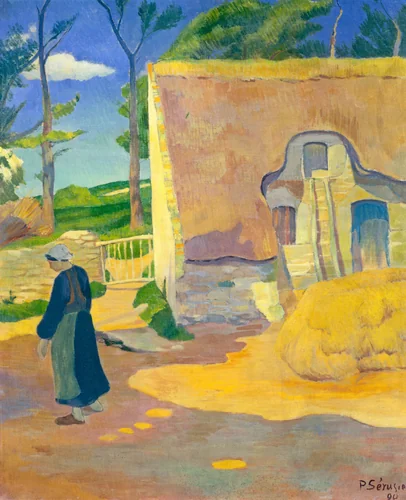
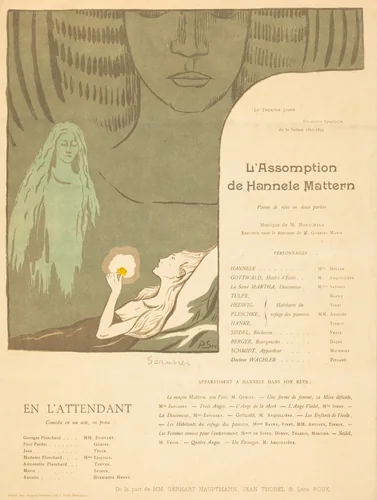
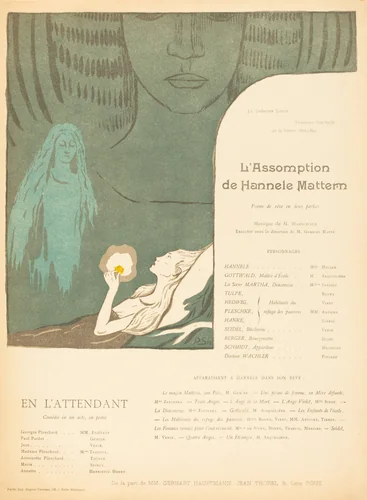
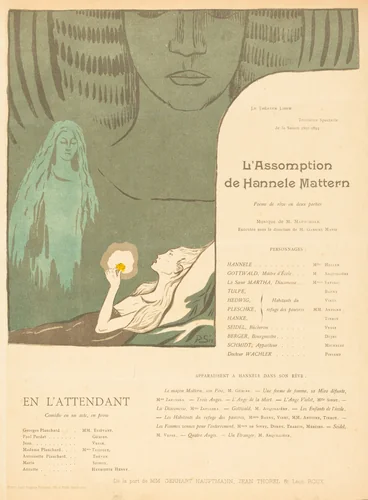
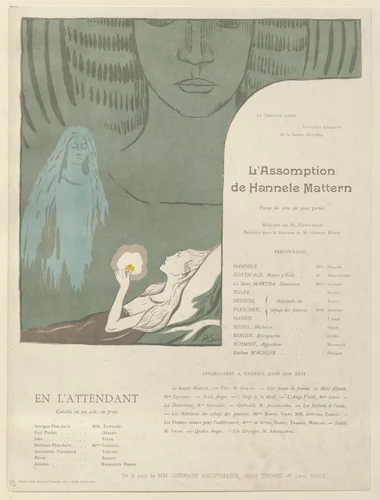
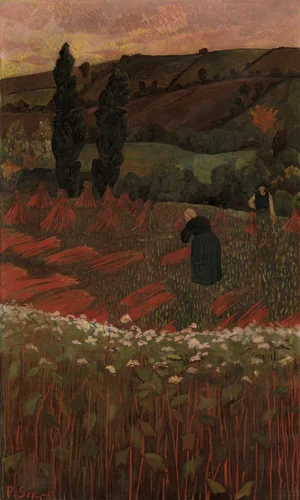
The resulting aesthetic, championed by Sérusier and the Nabis, fused the flat, decorative planes of Cloisonnism with the symbolic intention of Synthetism, emphasizing the translation of emotion into form. Sérusier maintained this highly experimental approach throughout the following decade, producing works that explored the spiritual dimensions of nature and subject, such as Farmhouse at Le Pouldu and the symbolically complex L'Assomption de Hannele Mattern; En l'attendant.
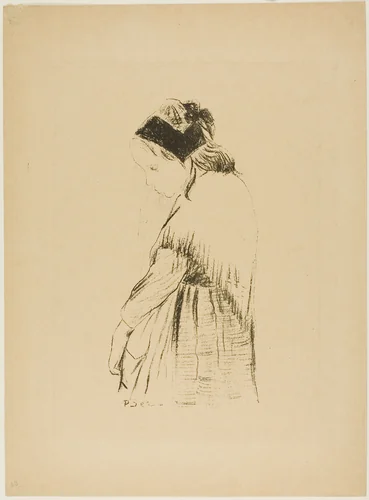
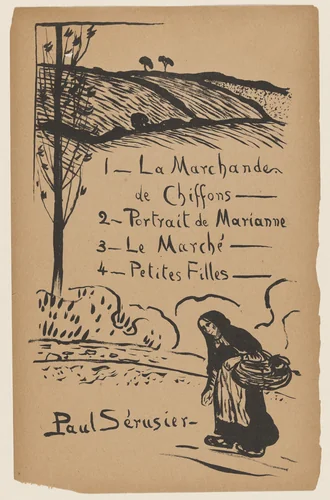
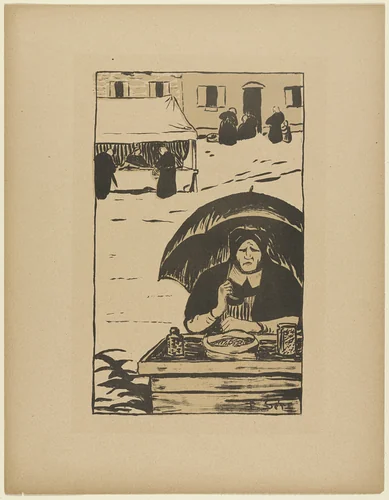
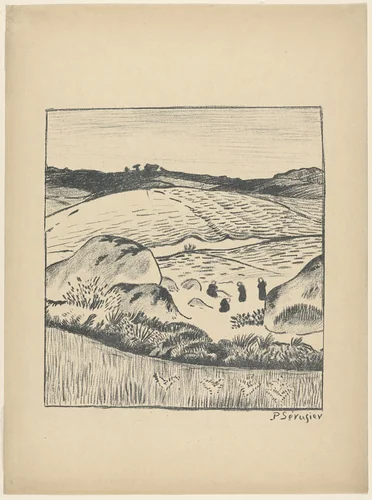
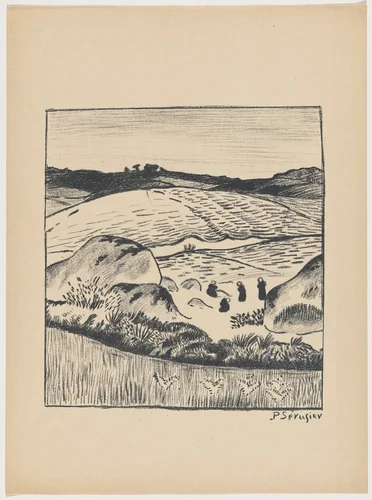
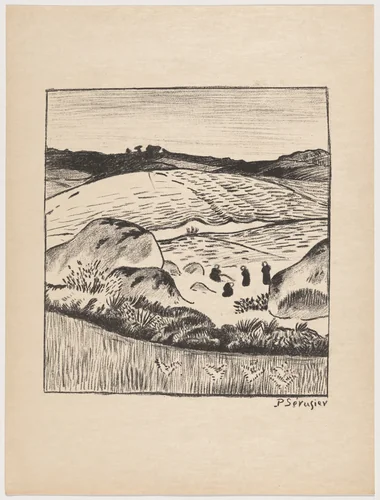
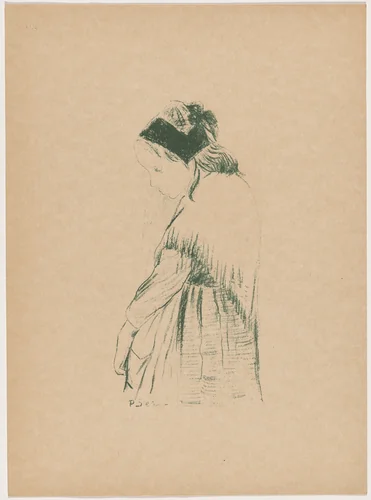
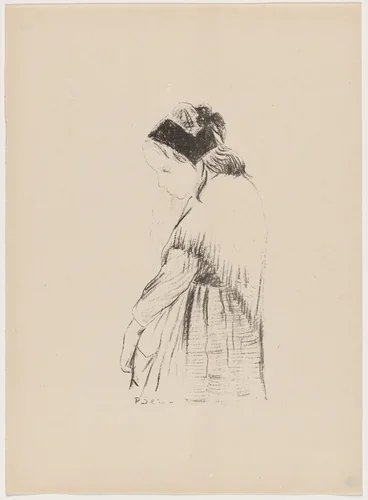
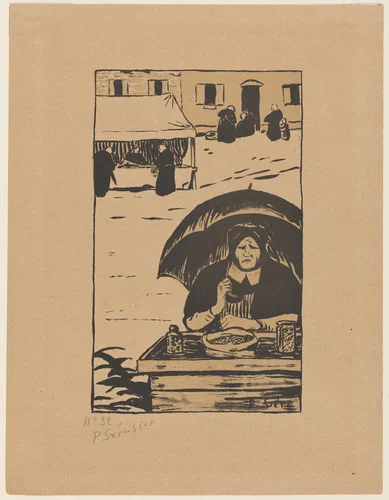
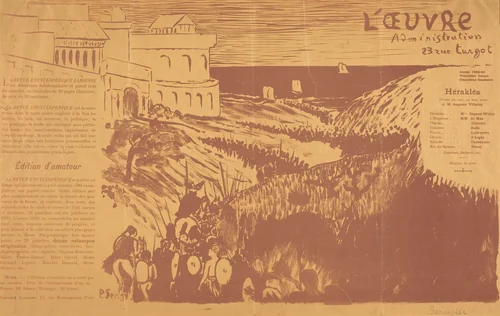
Though often studied primarily through Paul Sérusier paintings, his visual vocabulary was also articulated in a strong body of graphic work, including Paul Sérusier prints. These works are now widely studied in major American institutions, including the Museum of Modern Art, the Art Institute of Chicago, and the National Gallery of Art. Thanks to institutional digitization efforts, many of his key works, including his prints and studies, are available today as high-quality prints or downloadable artwork, allowing broad access to the pivotal innovations that marked the birth of abstract thought.
Source: Wikipedia · CC BY-SA 4.0