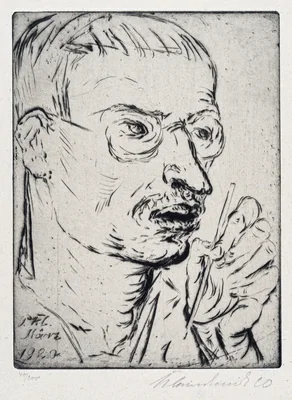
Paul Kleinschmidt
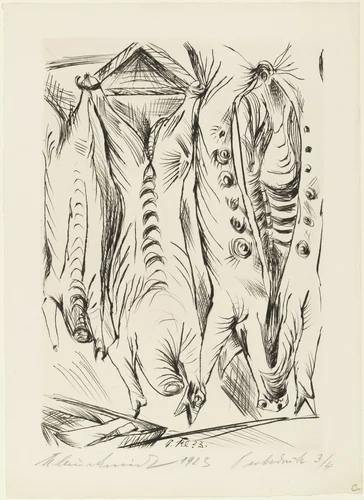
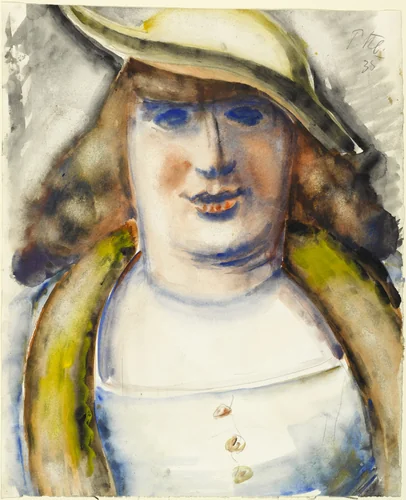
Paul Kleinschmidt (1883–1949) holds a significant, if concentrated, position within the figurative traditions of early 20th-century German Modernism. Active primarily between 1913 and 1935, the period encompassing the rise of Expressionism and New Objectivity, Kleinschmidt established a distinctive visual language marked by an intense psychological focus and a predilection for weighty, well-defined figures. Though a painter by training, his surviving legacy is enriched by a concise yet powerful body of graphic work, including seven known prints and a single drawing, confirming his dexterity across media.
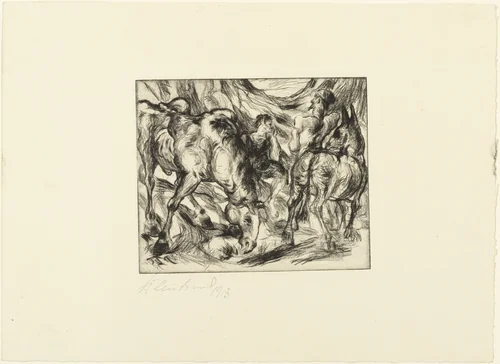
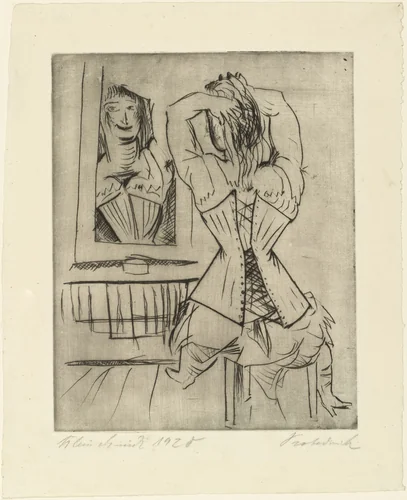
Kleinschmidt’s works consistently return to two major thematic poles: the monumental portrait and the allegorical narrative. His compositions are characterized by a directness of line and a concentrated palette that grants his subjects an undeniable physical presence. This stylistic emphasis is evident whether he is tackling grand literary themes, such as in the compelling print Don Quixote III, or navigating the profound introspection of domestic life, as seen in the searching gaze captured in Before the Mirror (Vor dem Spiegel). The emotional honesty he brings to these subjects distinguishes his output.
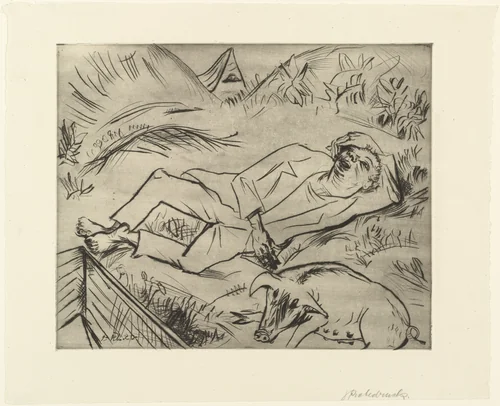
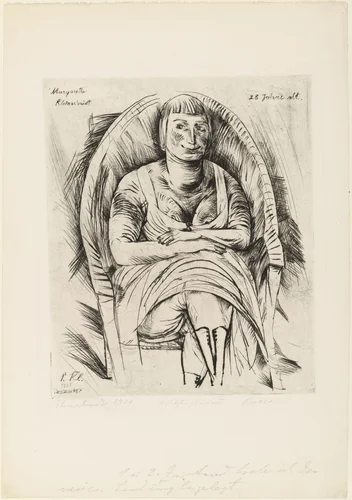
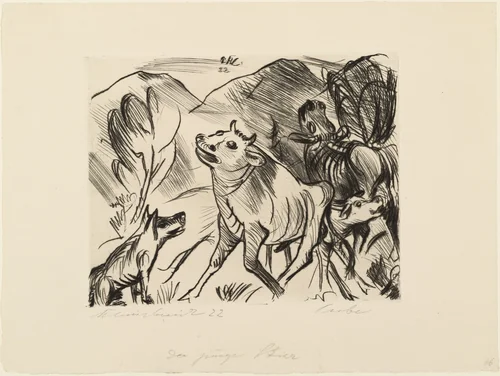
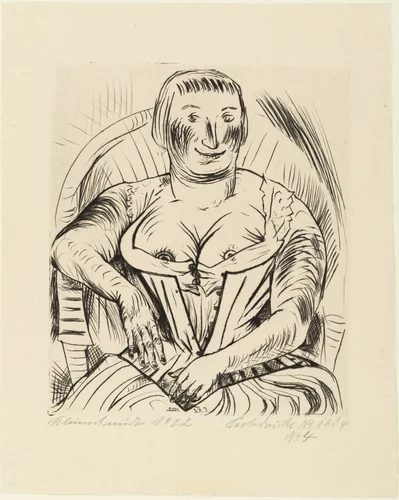
The artist frequently blurred the line between the personal study and the universal archetype. His dedication to portraying those closest to him, such as his wife, Margarethe, in Margarethe Kleinschmidt in a Wicker Chair (Margarethe Kleinschmidt im Korbstuhl), elevates the casual moment to one of quiet permanence. Conversely, his treatments of classical morality, including The Prodigal Son (Der verlorene Sohn), and powerful anatomical studies like The Young Bull (Der junge Stier), showcase his skill in translating visceral human experience into permanent visual form.
While many of his contemporaries embraced abstract experimentation or overt social critique, Kleinschmidt maintained a focused adherence to the charged figurative subject. This preference for the intimate narrative over the public declaration lends Paul Kleinschmidt paintings a quiet, enduring gravity. His importance is solidified by the inclusion of his works in major public holdings, including the collection of the Museum of Modern Art (MoMA), confirming their status as museum-quality artifacts. Today, due to their availability as high-quality prints and downloadable artwork through archives, the detailed visual records of Paul Kleinschmidt prints remain accessible for scholarly review and appreciation.
Source: Wikipedia · CC BY-SA 4.0