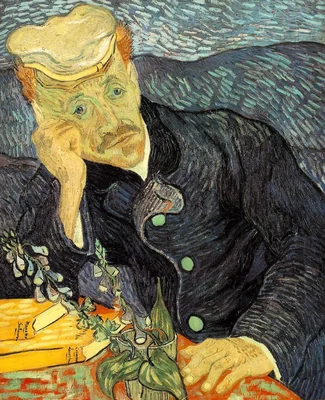
Paul Gachet
Dr. Paul-Ferdinand Gachet (1828-1909) holds a crucial, often underestimated, position within the history of 19th-century French art. Operating simultaneously as a respected homeopathic physician, an ardent collector, and a dedicated amateur printmaker, Gachet moved easily between the worlds of medicine and high culture. While historically best known for his poignant care of Vincent van Gogh in the final weeks of the artist’s life in Auvers-sur-Oise, Gachet was far more than a footnote in another artist’s biography; he was a pivotal, long-standing facilitator of Impressionism and post-Impressionist creativity.
Gachet was a deeply committed supporter of the avant-garde. His home near Paris functioned as an unofficial salon, providing refuge, medical support, and intellectual stimulation to struggling artists, including Pissarro, Cézanne, and Renoir. His passion extended beyond patronage into his own artistic output, executed primarily in etching and drypoint under the pseudonym "Paul van Ryssel." This chosen identity, a reference to Rijsel, the Dutch name for his birthplace Lille, reflects a charming insistence on connecting his contemporary Parisian practice with the broader Northern European printmaking heritage.
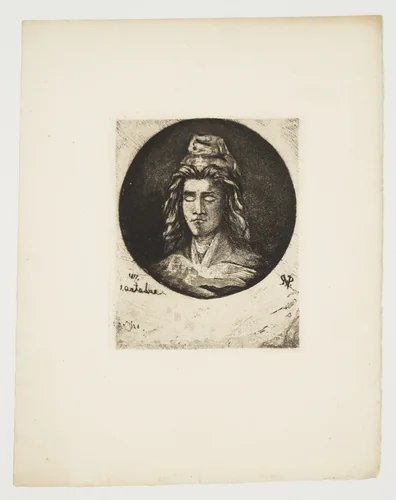
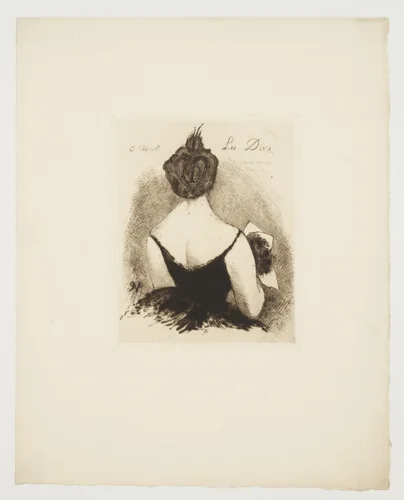
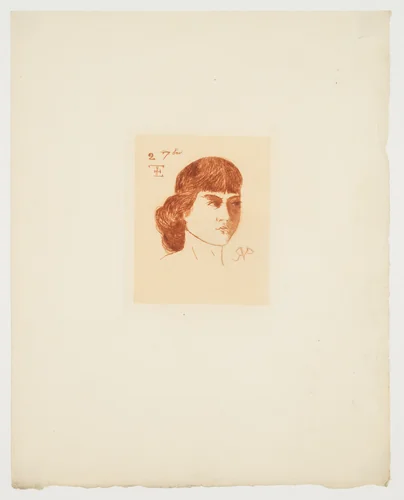
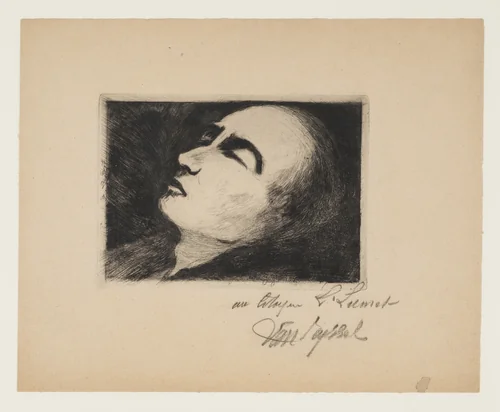
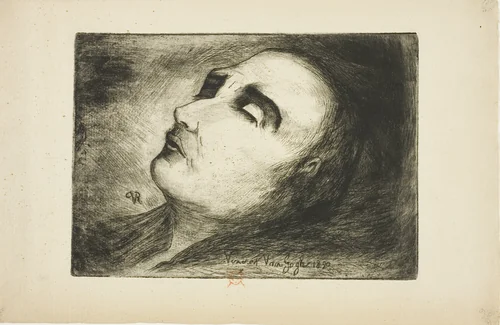
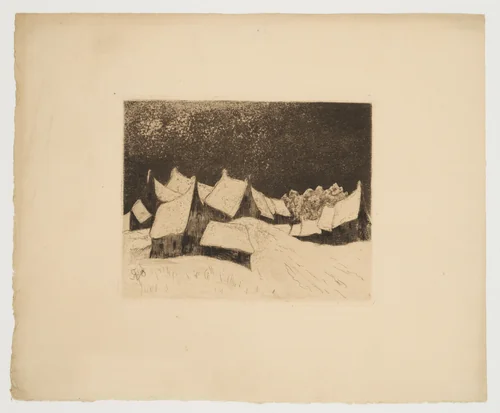
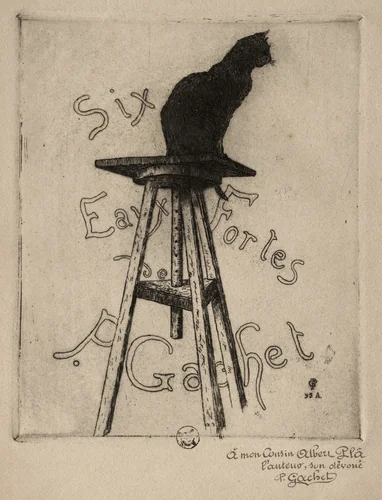
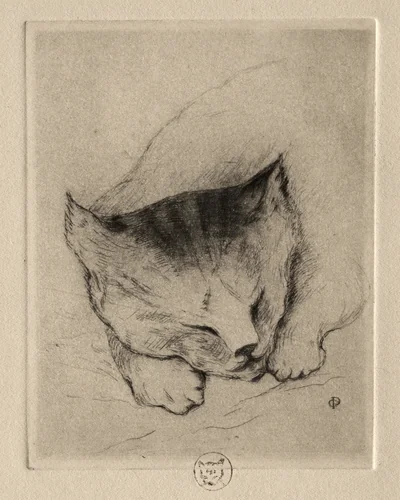
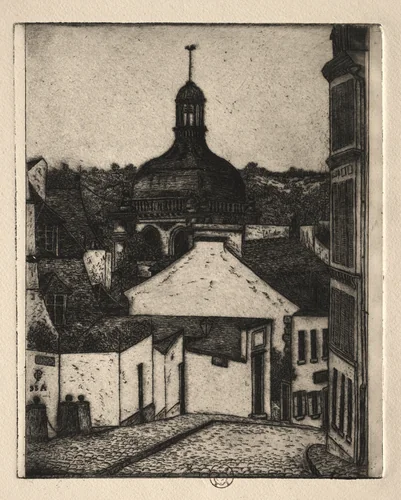
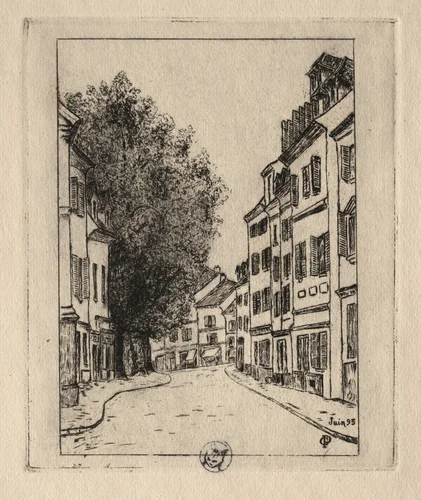
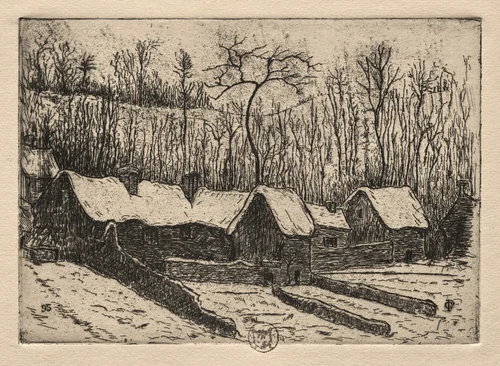
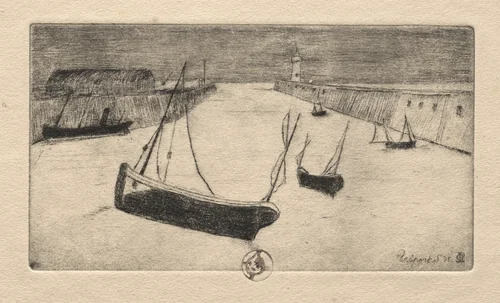
Active primarily between 1850 and 1895, Gachet produced a concise, intense body of work numbering around 13 known prints. His technical focus allowed him to create pieces that explore both formal portraiture, such as Head of a Woman and the political allegory Head of the Republic, and sensitive genre studies like The Diva (La Diva). Most famously, his deeply personal print, Vincent Van Gogh on his Deathbed, executed immediately following the artist's passing, remains one of the most immediate and profound visual documents related to the final period of post-Impressionism.
Gachet’s sensitive graphic work and active patronage ensured the preservation and promotion of his circle's achievements. Examples of Paul Gachet prints today are held in major international institutions, including the Metropolitan Museum of Art, the Art Institute of Chicago, and the Cleveland Museum of Art, demonstrating their museum-quality importance. Through the efforts of these major collections, many of his limited prints are now available in the public domain, offering access to high-quality prints and confirming Gachet’s legacy not just as a patron, but as a competent and historically significant graphic artist in his own right.
Source: Wikipedia · CC BY-SA 4.0