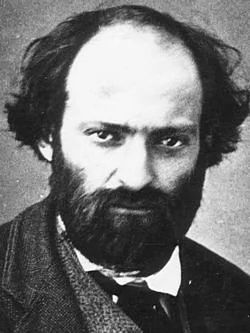
Paul Cezanne
Paul Cézanne (1839–1906) is widely recognized as the indispensable architect of modern painting, the singular figure whose rigorous methodology successfully bridged 19th-century Impressionism with the radical structural experiments of the early 20th century. His work fundamentally introduced new modes of representation, forging the crucial technical link to Cubism. Unlike his peers who focused on the optics of fleeting sensation, Cézanne sought to imbue the perceived world with geometric permanence, famously advising artists to "treat nature by the cylinder, the sphere, the cone."
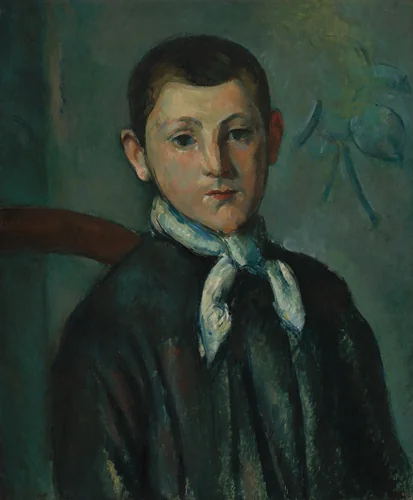
His formative period, particularly between 1865 and 1877, was defined by a heavy, almost sculptural application of paint and an intense focus on defining human character. This early work, which includes dark, powerful portraits like Antony Valabrègue and the commanding study The Artist's Father, Reading "L'Événement", demonstrates an emotional weight and technical ambition that was already evolving towards controlled complexity. His intensity, occasionally bordering on the truculent, demanded absolute fidelity to his process; sitters often recounted the immense difficulty of posing for weeks while the painter measured and reconsidered every subtle plane.
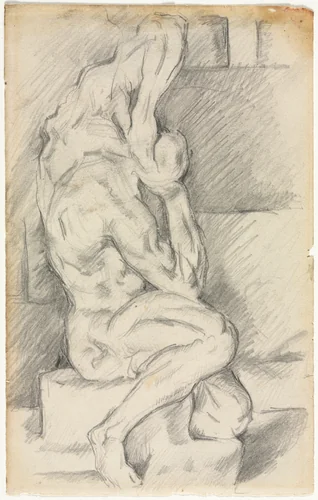
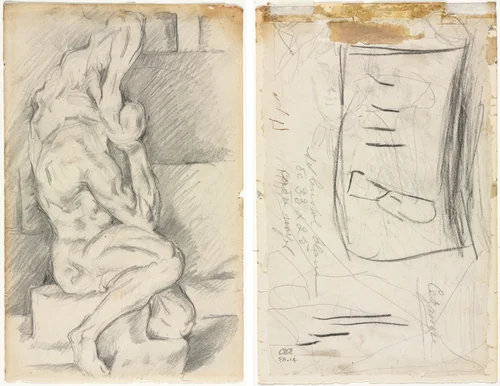
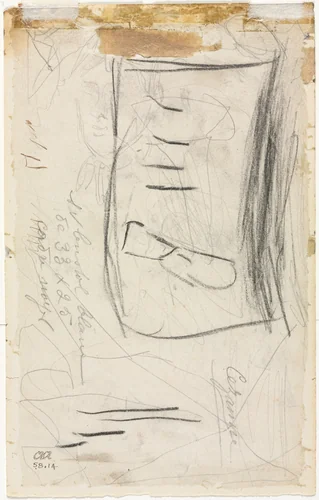
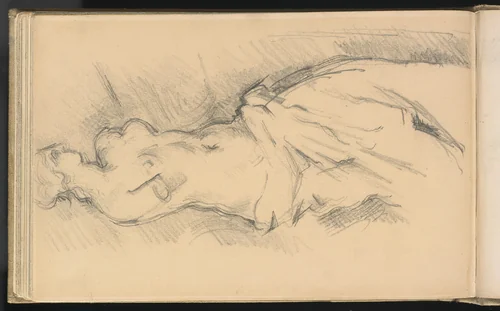
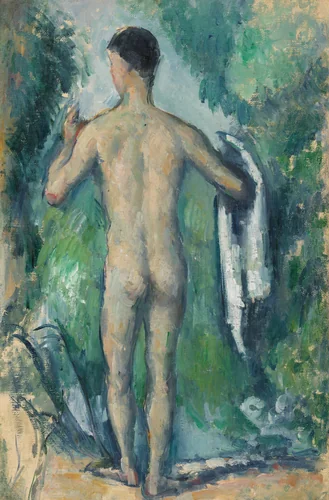
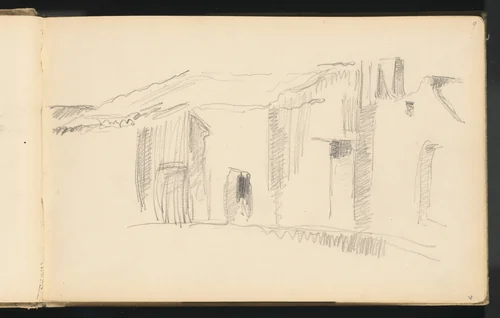
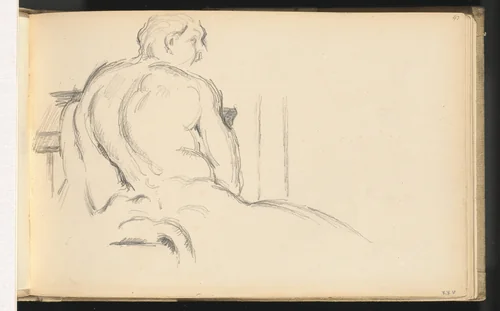
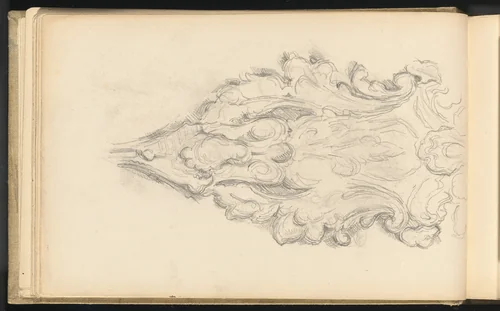
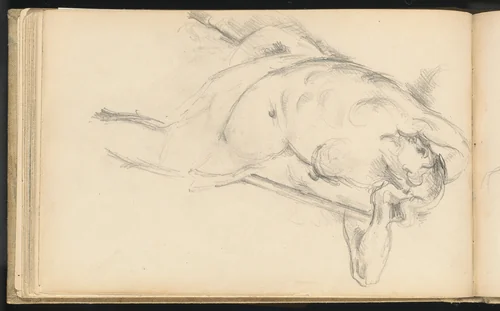
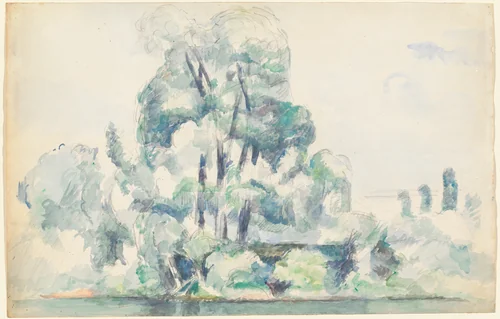
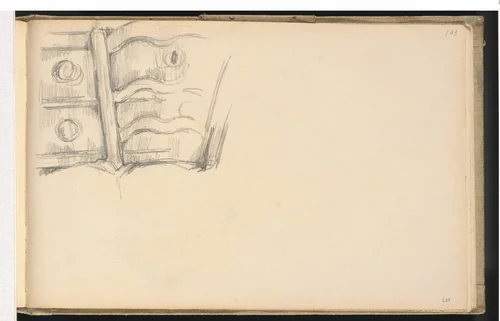
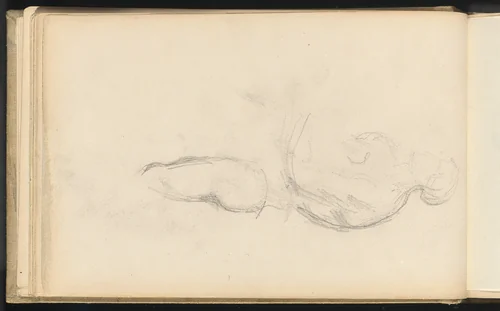
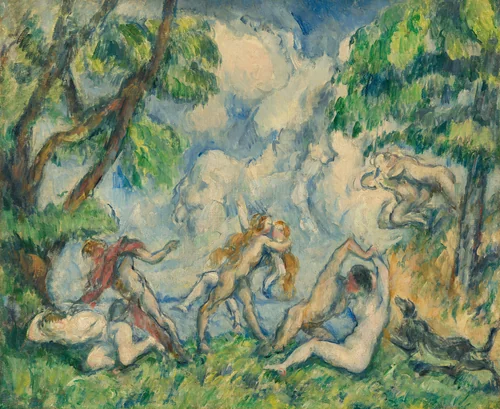
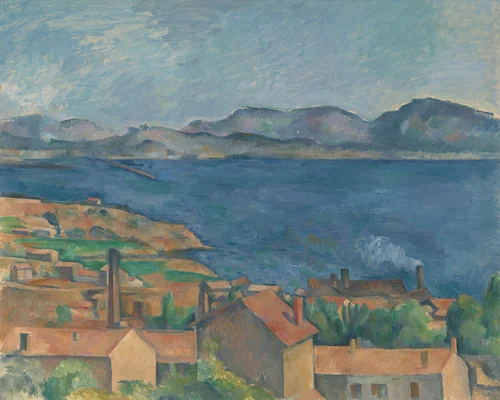
Cézanne’s constructive technique, employing parallel, planar touches of color, allowed him to build volume and shift perspective simultaneously, fracturing the unified viewpoint that had defined Western painting for centuries. This methodical approach yielded Paul Cezanne paintings and drawings that are cornerstones of global institutions, including the Cleveland Museum of Art and the National Gallery of Art. His influence on figures like Picasso and Matisse was profound and immediate, transforming how subsequent generations understood volume, space, and the canvas plane.
As many of his defining works are now in the public domain, scholars and enthusiasts benefit from the widespread availability of high-quality prints and downloadable artwork, offering deep engagement with the painstaking genius of his vision.
Source: Wikipedia · CC BY-SA 4.0
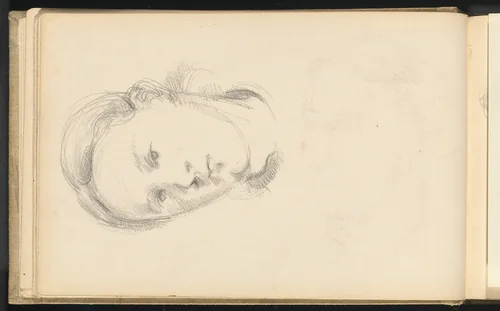
![Self-Portrait [recto] by Paul Cezanne, drawing, 1880-1882](https://img.artbee.org/548b5773-0ff1-4d3b-94c7-24eb213b615c/small.webp)
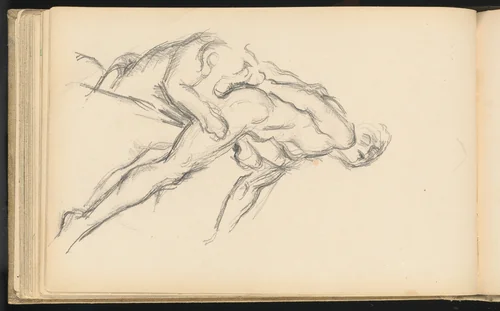
![Waking Up [verso] by Paul Cezanne, drawing, 1880](https://img.artbee.org/260c3b5b-4d4d-49b7-a912-419675eb0bc4/small.webp)