Pat Steir
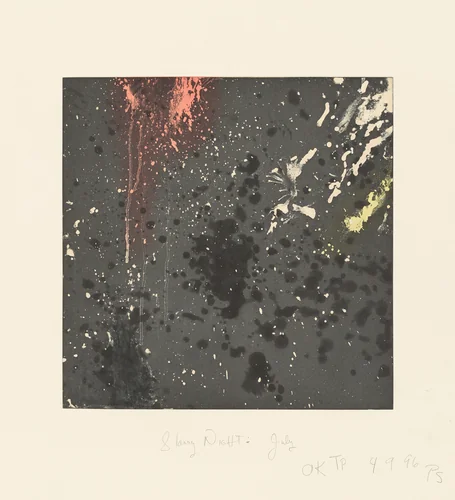
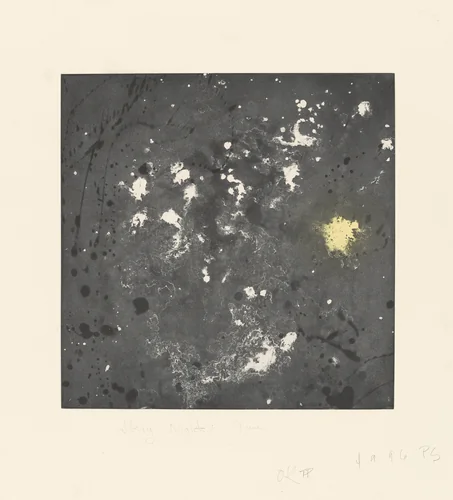
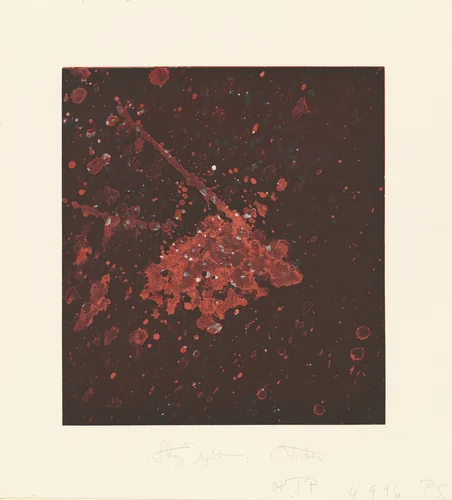
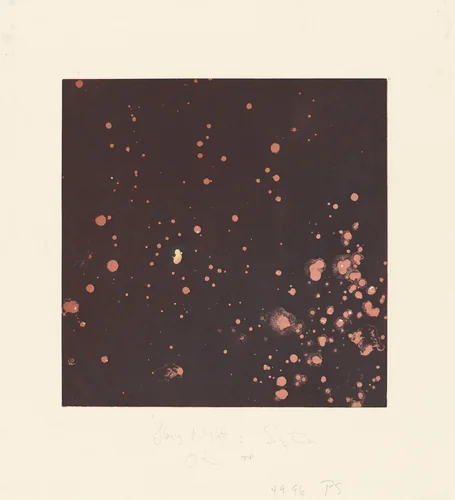
Pat Steir (b. 1940) is a celebrated American painter and printmaker whose rigorous practice engages deeply with the lineage of post-war abstraction. Her significance lies in her consistent interrogation of painting's formal limits, often using systematic processes to explore the interplay between artistic control and pure chance.
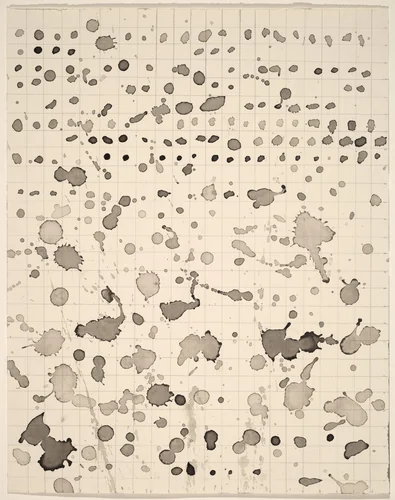
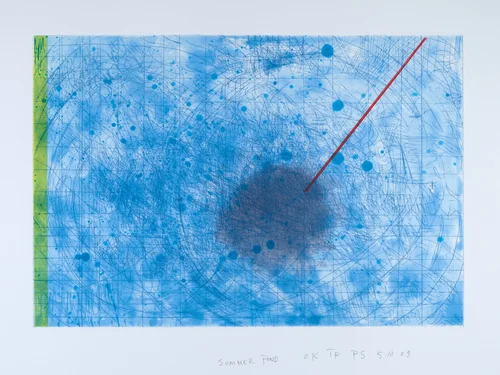
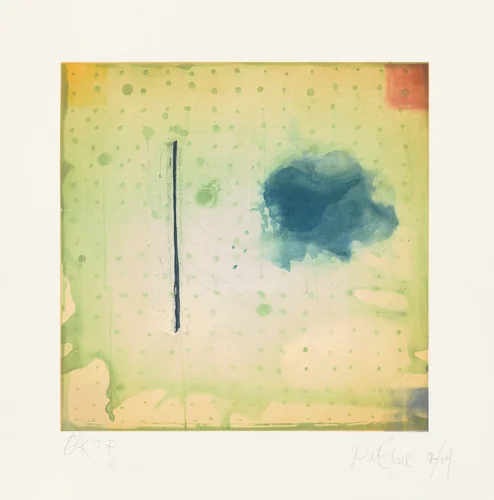
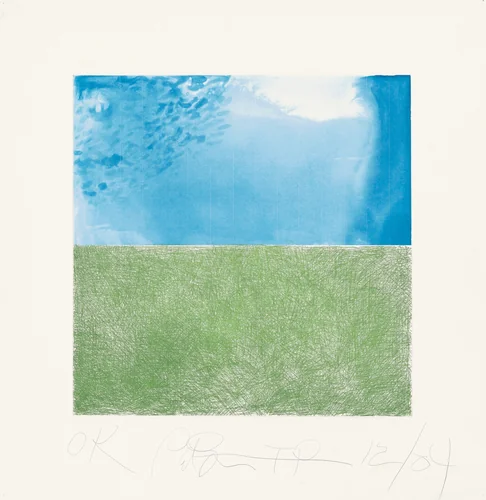
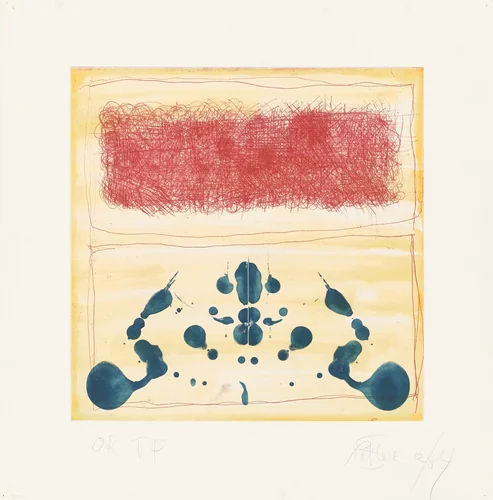
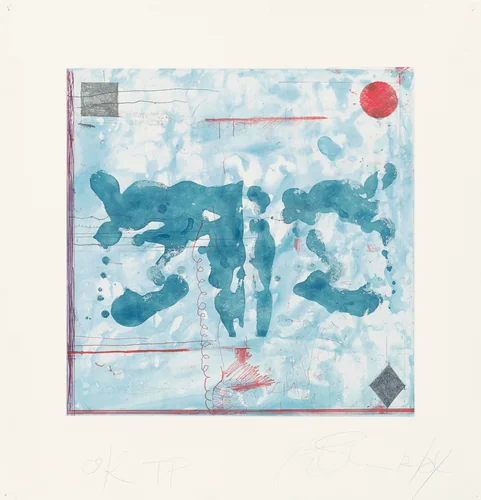
Steir’s early career, which began in the late 1960s, placed her in thoughtful dialogue with both Conceptual Art and Minimalism. This phase was characterized by a meticulous examination of the mark itself, frequently employing grids and controlled structures to test how personal gesture could emerge from mechanical constraint. Early print works, such as Whispers and the complex layered etching Or, demonstrate this initial commitment to structured rigor. Works like Introduction showcase her analytical approach to image-making, revealing a methodology rooted in deconstruction.
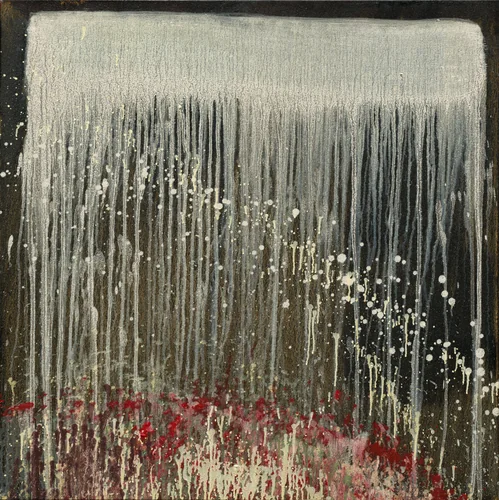
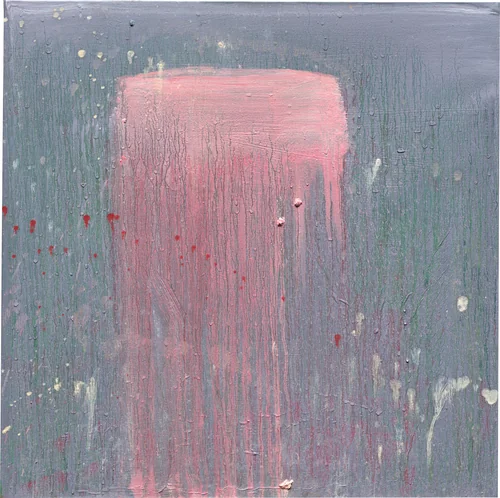
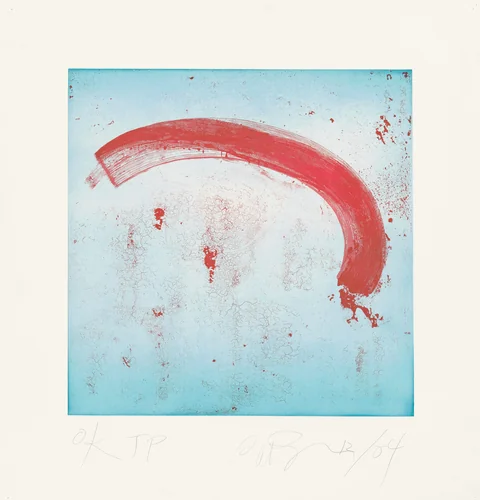
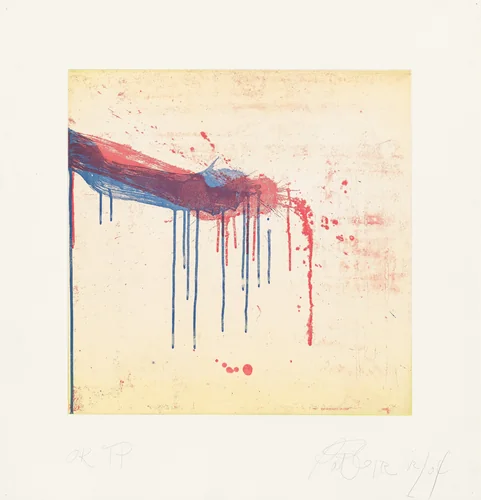
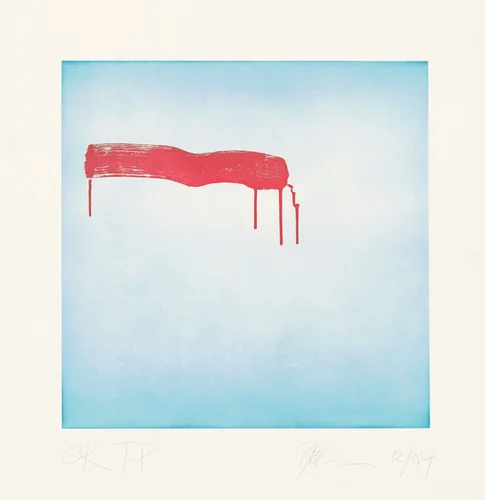
This analytic foundation provided the spring board for her most famous works: the abstract, monumental "Waterfall" paintings, which began in the 1980s. These canvases marked a dramatic departure, shifting Steir’s focus from controlled application to collaborative physics. By using gravity, viscosity, and flow, Steir developed a process of dripping, splashing, and pouring paint down the canvas. While earlier artists focused on the action of the drip, Steir focused on the result, transforming the material’s downward movement into shimmering, immense fields of color that evoke classical landscape painting, albeit through entirely anti-classical means.
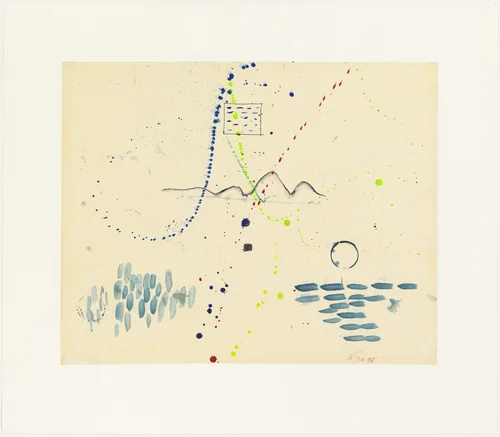
Her sustained commitment to process and experimentation continued with large-scale, site-specific wall drawings. Whether creating intimate Pat Steir prints, like White Lama and Marking Time, or vast installations, her work remains a unified study of how painting exists in space and time. Pat Steir paintings and graphic works are integral components of 20th-century American art holdings, frequently exhibited as museum-quality examples in institutions like the National Gallery of Art. The accessibility of her works means researchers and collectors frequently utilize collections offering high-quality prints and related materials.
Source: Wikipedia · CC BY-SA 4.0