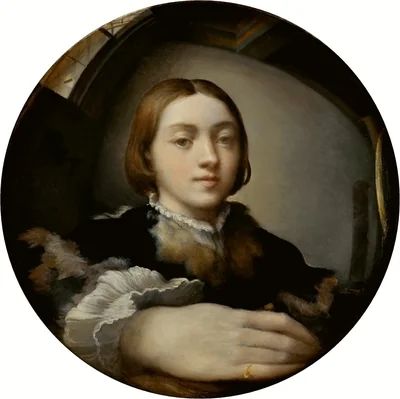
Parmigianino
Girolamo Francesco Maria Mazzola, known almost exclusively by the diminutive Parmigianino (“the little one from Parma”), remains the signal figure of early Italian Mannerism. His career trajectory, encompassing major periods of activity in Florence, Rome, Bologna, and his native Parma, perfectly aligns with the sophisticated stylistic shift that followed the equilibrium of the High Renaissance. He is recognized as the most significant artist of the first generation whose entire working life falls squarely within this highly intellectualized period.
Parmigianino’s pictorial language deliberately moved away from Renaissance naturalism, favoring instead a highly refined aesthetic characterized by an insistent elongation of forms, technical precision, and a distinctive, often cool, sensuality. Works like the defining Vision of Saint Jerome (1527) and the iconic, if formally anomalous, Madonna with the Long Neck (1534), exemplify this pursuit of complex grace over natural harmony. In these canvases, the figures often possess exaggerated elegance, contributing to a sense of deliberate artifice and visual wit that defined the new style.
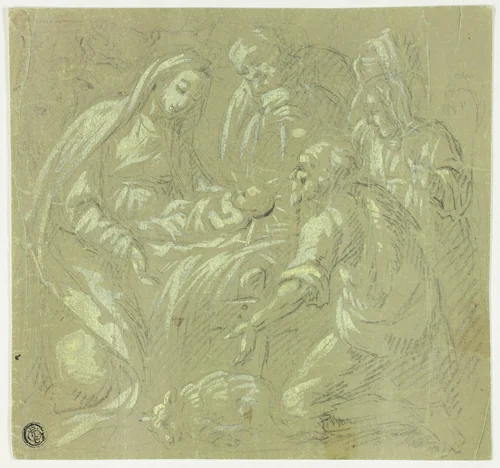
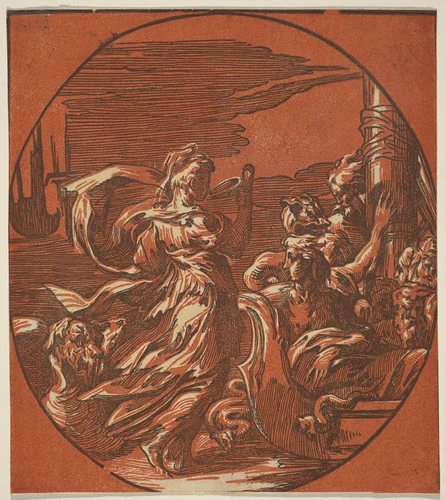
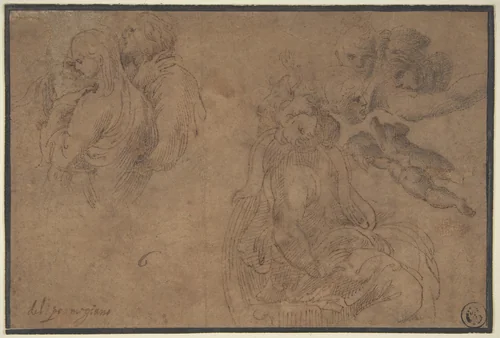
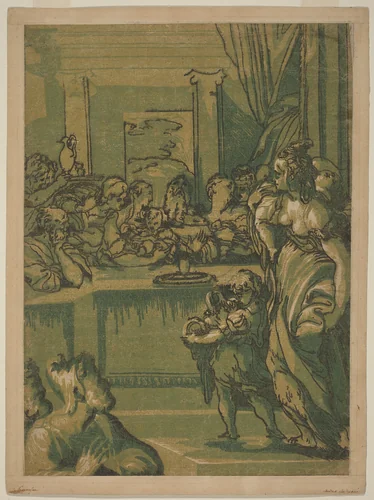
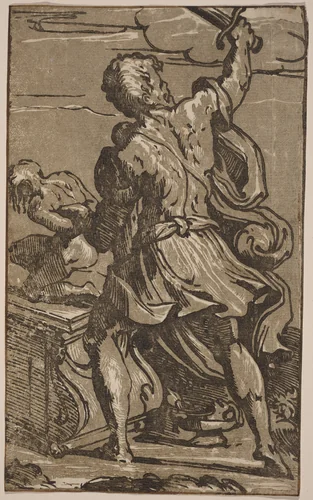
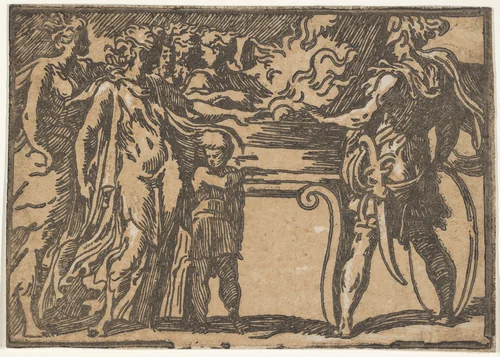
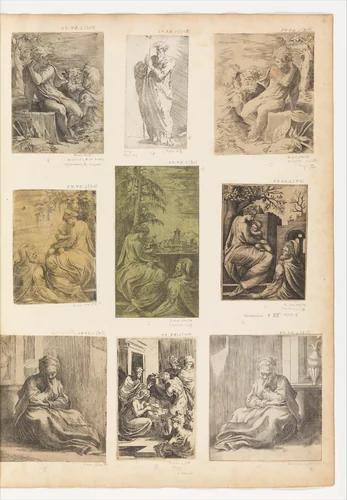
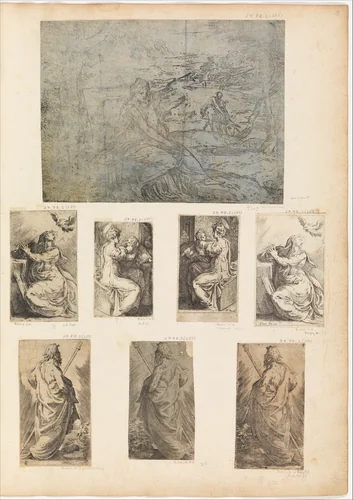
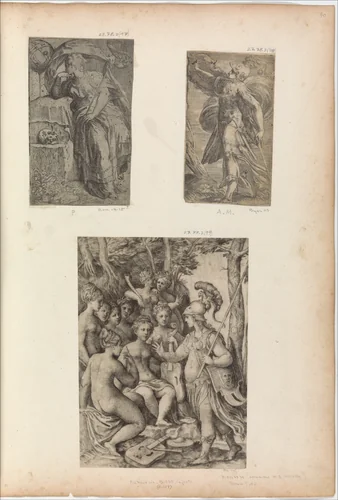
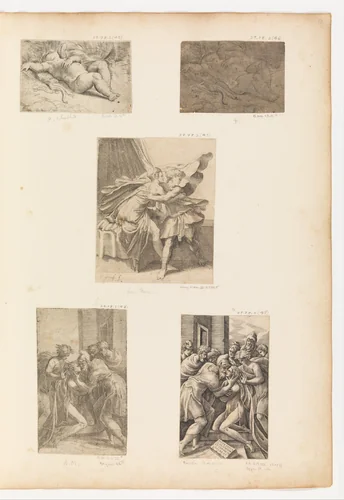
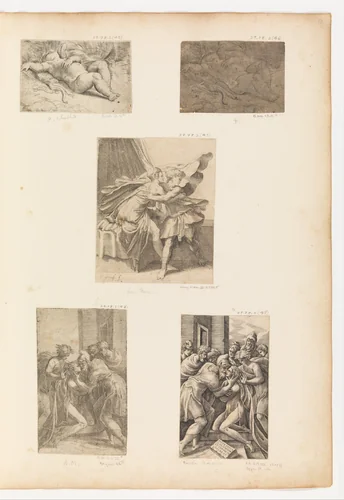
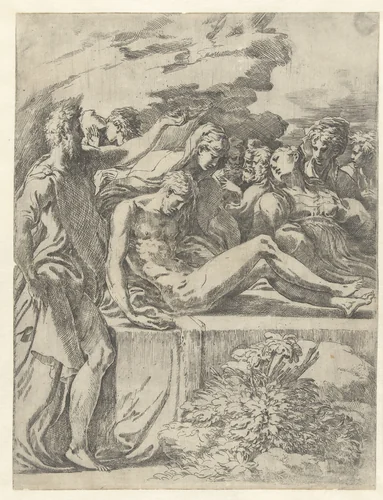
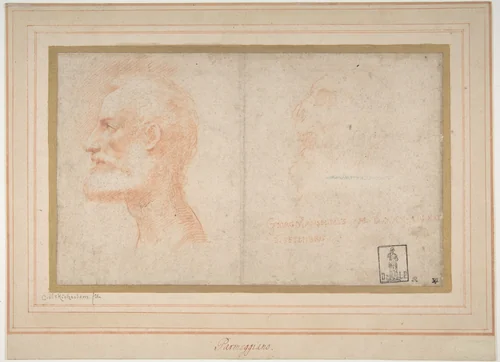
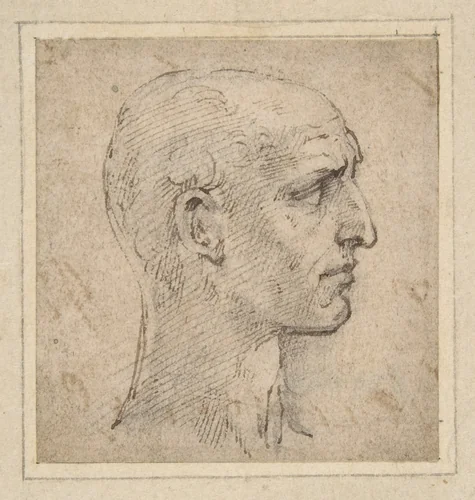
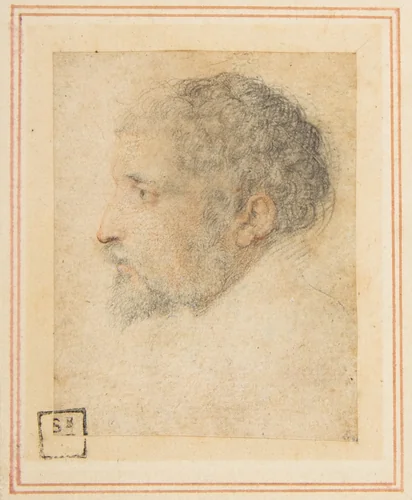
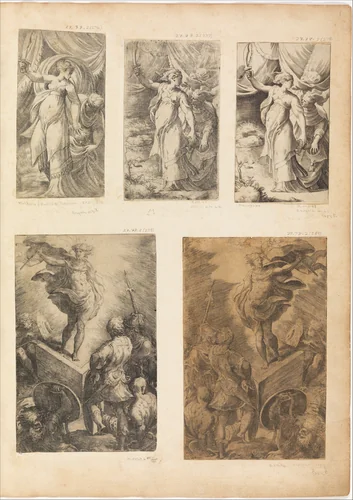
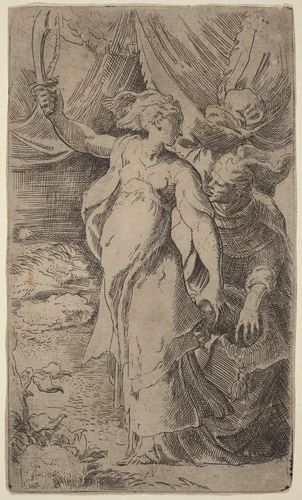
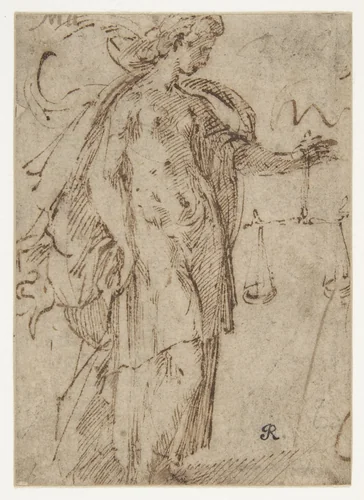
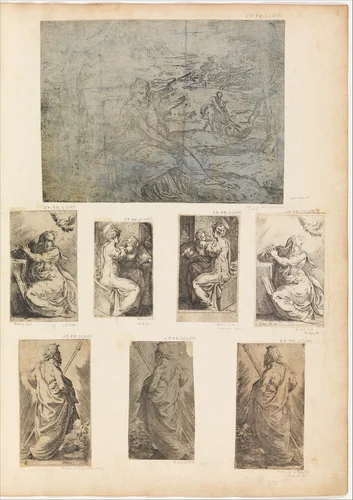
Crucially, Parmigianino was not only a masterful painter but also a pioneering graphic artist. He was among the first Italian painters to experiment extensively with the etching medium, utilizing it to efficiently multiply and disseminate his innovative compositions. Prints such as Circe and the dramatic The Sacrifice of Abraham testify to his exceptional draftsmanship, demonstrated further in his surviving corpus of drawings, including Studies of Figures. The wide circulation of these early Parmigianino prints ensured his formal inventions immediately influenced artists beyond the courts where his paintings were installed.
His dedication to technical exploration sometimes bordered on the obsessive; it is historically noted that his later years were partially consumed by an intense preoccupation with alchemy, a pursuit that occasionally diverted his attention from completing major commissions. Nevertheless, his prolific output means that a large volume of his graphic work is now preserved in major institutional collections, including the National Gallery of Art. Today, these historical drawings and prints, celebrated for their complexity and charm, are often available as high-quality prints, confirming Parmigianino’s status as the quintessential visual interpreter of early Mannerism.
Source: Wikipedia · CC BY-SA 4.0