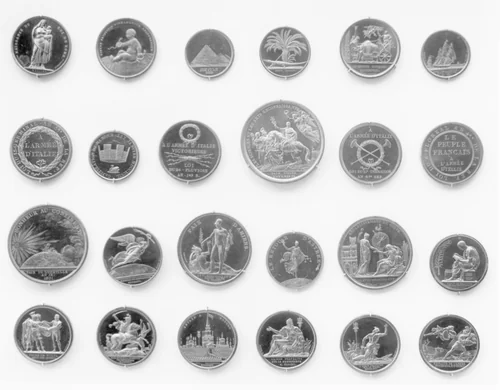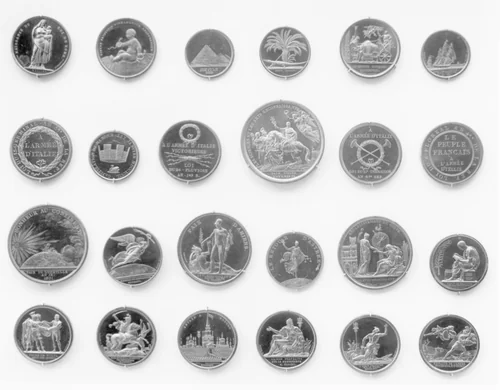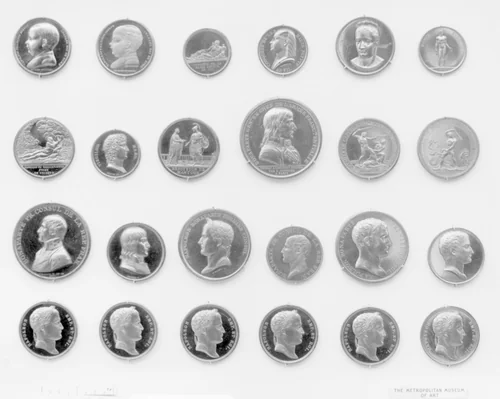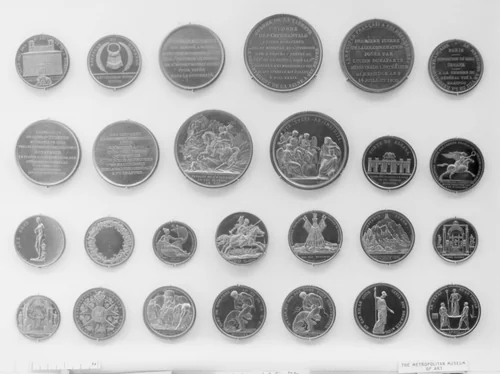
Paris Mint
The Paris Mint (Monnaie de Paris) holds the distinctive position as the world's oldest continuously operating minting institution, its origin dating to AD 864 with the Edict of Pistres, issued by King Charles the Bald. This remarkable longevity makes the Mint one of the most ancient extant companies globally. Beyond its primary function as the issuer of national currency, the institution served historically as the official atelier for the production of commemorative metalworks, translating crucial moments of national history into enduring public and private sculptural forms.
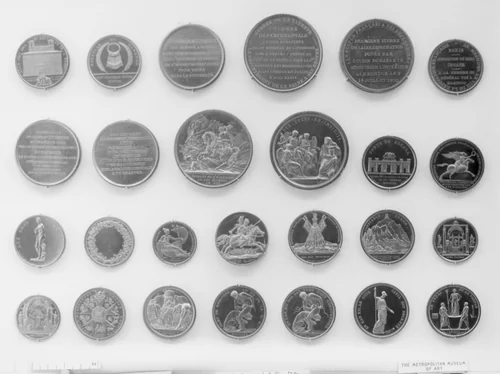
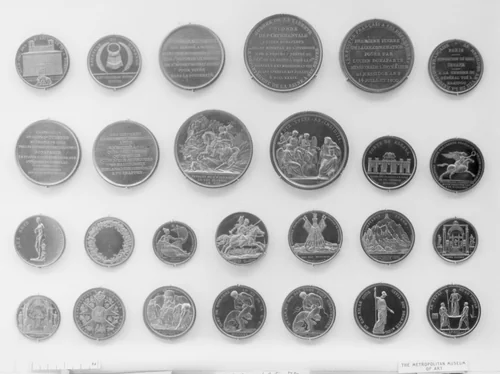
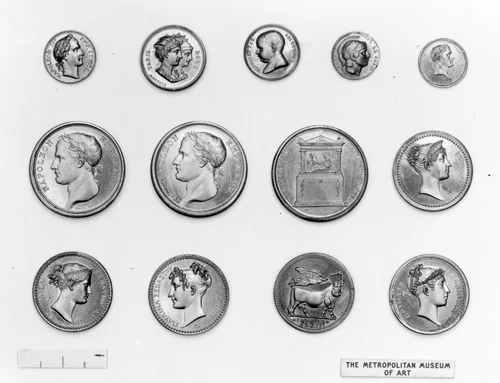
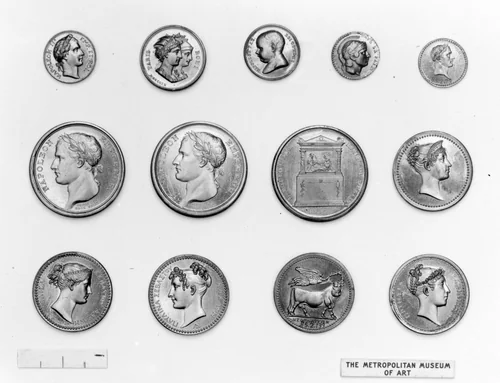
The period spanning 1796 to 1811 represents a particularly focused era of artistic commission, coinciding directly with the dramatic political transformations of the French Revolution and the rise of Napoleon. The Mint became central to the nascent state’s propaganda efforts, creating detailed medallic art that functioned as portable records of military triumph and political consolidation.
The earliest metalworks from this era chronicle the stunning successes of the First Italian Campaign, exemplified by the intricate execution of the Battle of Milesimo (1796) and the powerful representation of the Capitulation or Occupation of Mantua (1797). These pieces, produced in partnership with master engravers, demonstrate the sophisticated technical mastery required for detailed historical narration on a restricted scale. This tradition continued with works like the Passage of the Tagliamento, where Massena Defeated the Archduke Charles (1797), which solidified the narrative of France’s military invincibility.
The commissions eventually moved beyond purely medallic art, culminating in the ambitious conceptual designs for symbolic public structures that defined the Consulate period. The Departmental Column to the Soldiers of the Revolution (1800) and the National Column to the Soldiers of the Revolution (1800) reveal the Mint’s capacity to articulate grand architectural allegories of state power.
The Mint’s incredible institutional continuity means it often found itself interpreting the triumphs of the very ideologies that sought to erase previous centuries of monarchical rule, lending a fascinating, understated irony to its historical output. Today, these museum-quality records of revolutionary and Napoleonic achievement are held in collections globally, including the Metropolitan Museum of Art. Available for study and appreciation, many of these historical artifacts are accessible as downloadable artwork, ensuring their continued scholarly relevance.
Source: Wikipedia · CC BY-SA 4.0