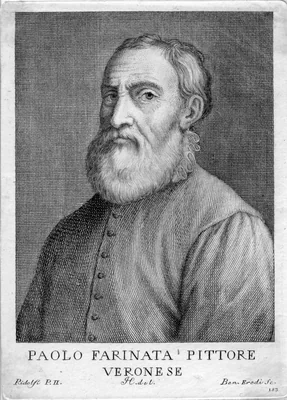
Paolo Farinati
Paolo Farinati, born in 1524, was a pivotal Italian painter associated with the sophisticated aesthetic of Mannerism. Although his artistic travels led him to major centers such as Mantua and Venice, he remained primarily active in his native Verona, where his work established a crucial regional dialect within the broad stylistic framework of the late Renaissance. Farinati’s lengthy and prolific career positioned him as one of the most significant Veronese masters, providing a vital transitional link between the foundational Classicism of the High Renaissance and the dramatic vigor of the emerging Baroque period.
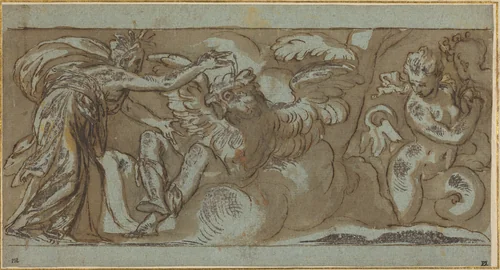
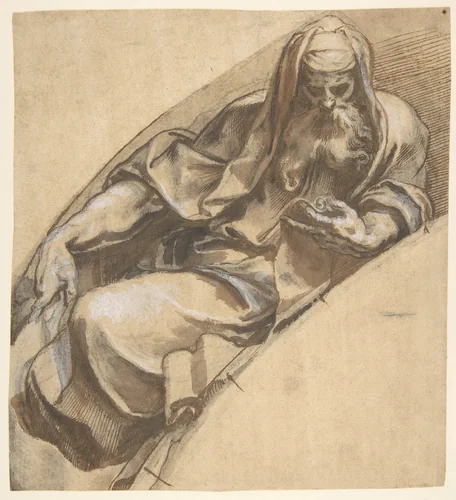
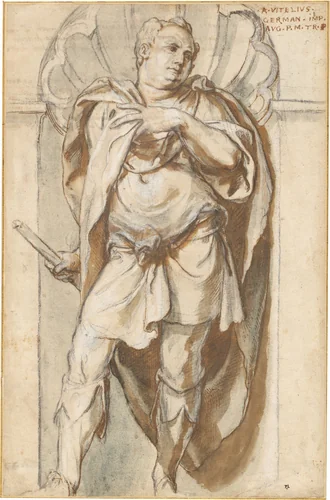
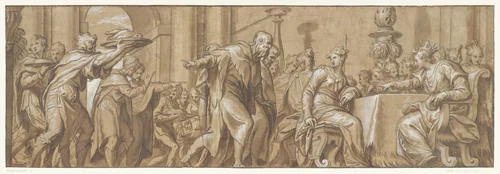
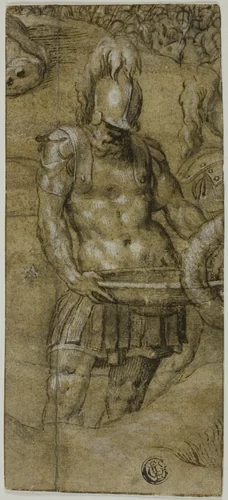
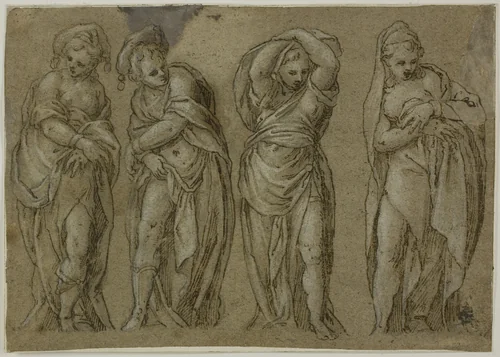
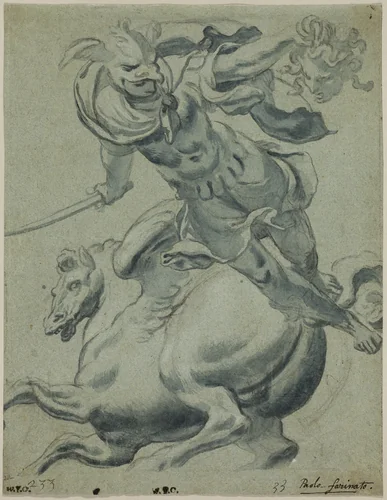
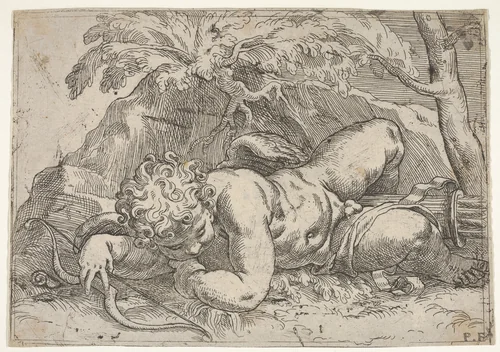
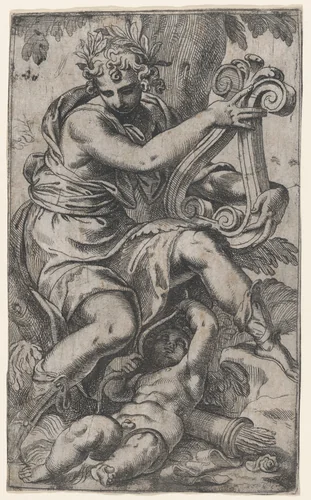
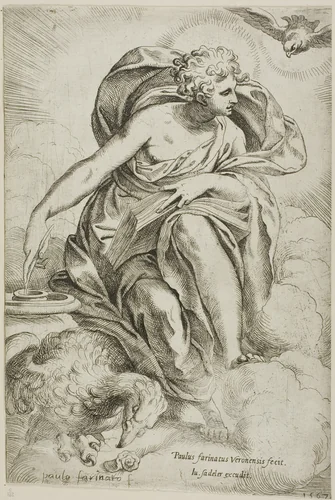
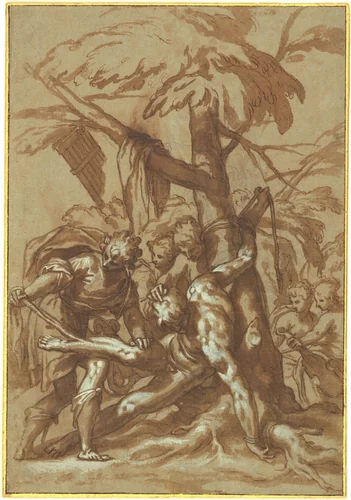
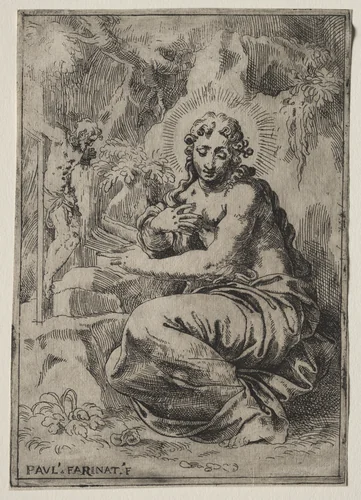
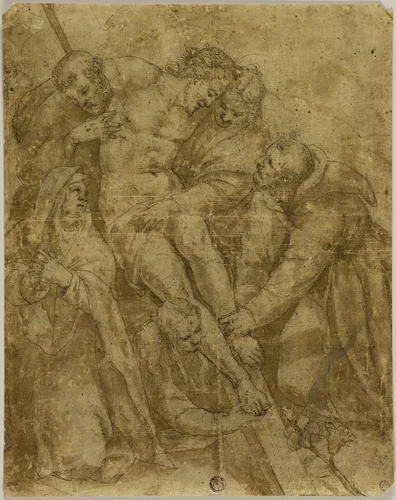
While Farinati's public reputation rested upon large-scale devotional works and fresco cycles—the sphere of Paolo Farinati paintings—his enduring legacy and profound influence on subsequent generations are best understood through his prolific output in the graphic arts. He was a meticulous and rigorous draftsman, and the surviving evidence, comprising dozens of preparatory studies and finished drawings, offers an extraordinary window into his compositional process. These graphic works demonstrate his mastery across diverse thematic genres, ranging from mythological narratives, such as Ceres Changing Ascalaphus into a Bird of Evil Omen, to detailed historical portraits like The Emperor Aulus Vitellius.
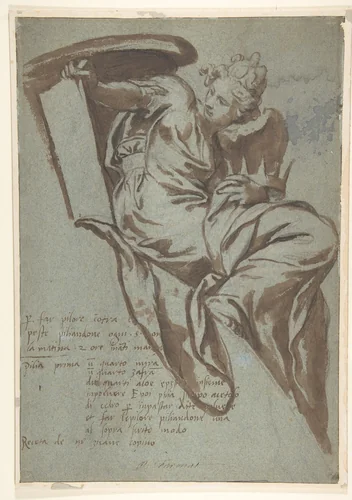
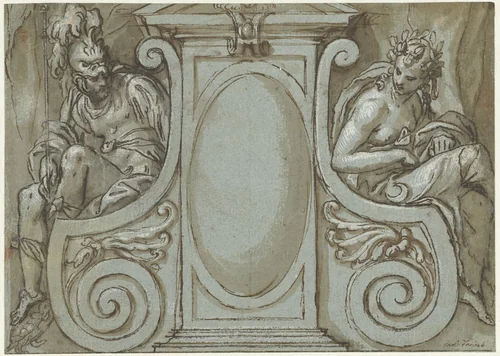
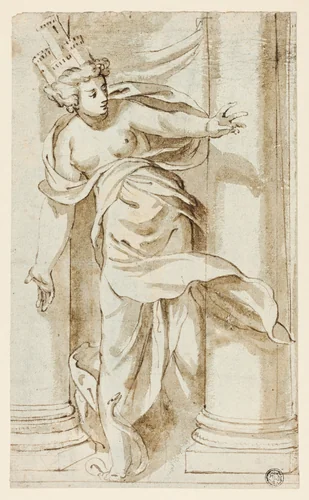
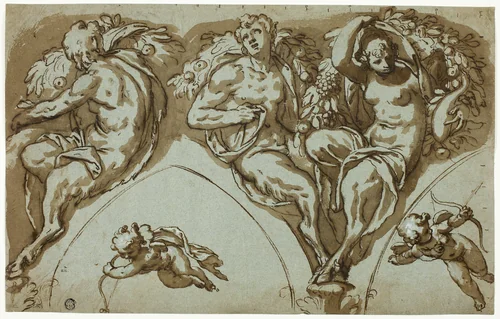
Farinati excelled particularly in designs for decorative architectural programs. His meticulous planning for interior spaces is captured perfectly in sheets such as Project for the Decoration of a Spandrel: Winged Female Figure Holding a Tablet and a Crown, which illustrates his elegant deployment of serpentine figures and complex spatial arrangements typical of Veronese Mannerism. It is an understated observation of his professionalism that few of his contemporaries left behind such consistently high-quality visual documentation of their workshop practice.
His influence today continues to be felt in major international collections, including the Metropolitan Museum of Art, the Rijksmuseum, and the National Gallery of Art, underscoring his undeniable museum-quality historical importance. Through these institutions, a wealth of Farinati prints and studies is often made available as downloadable artwork, allowing scholars and enthusiasts to fully appreciate the complex draftsmanship that defined this key figure of the Veronese School.
Source: Wikipedia · CC BY-SA 4.0