Paminggir people
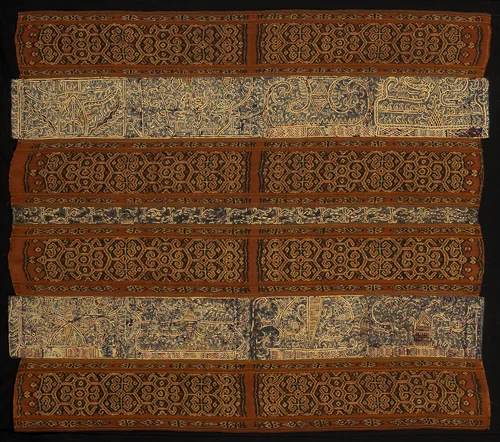
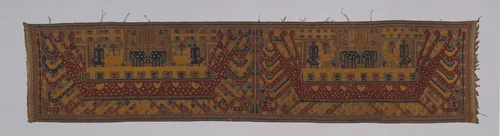
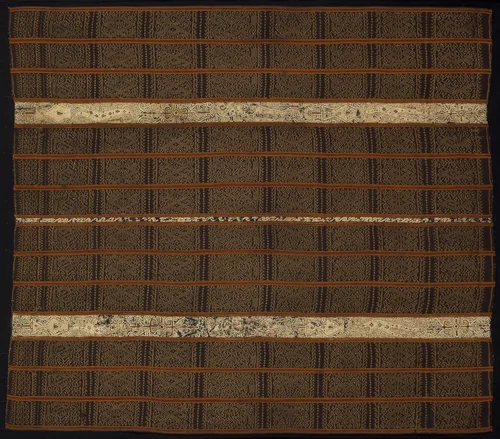
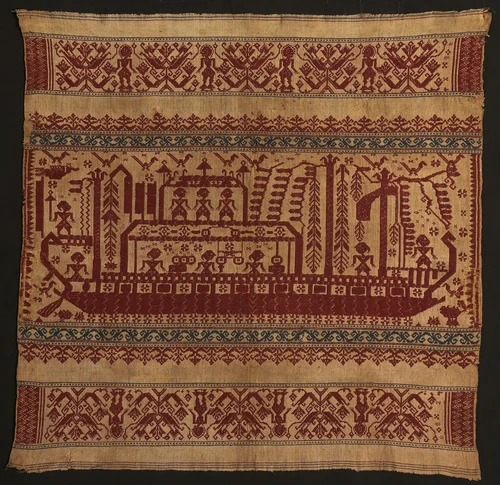
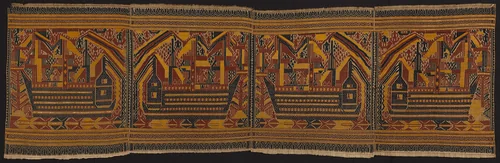
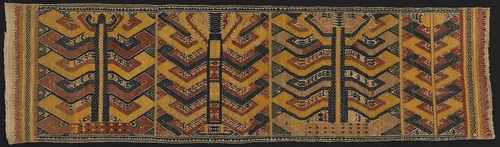
The Paminggir people are recognized for a sophisticated and sustained tradition of textile arts, documented across nearly two centuries between 1701 and 1890. Their artistic output centers on ceremonial textiles essential to cultural and status practices, including large hangings and specialized skirts. The surviving works demonstrate highly developed skills in weaving and dyeing techniques specific to the Paminggir region.
Six Paminggir textiles are represented in major museum collections, establishing the artistic legacy of this cultural group. Significant examples of this textile art are preserved at institutions such as the Art Institute of Chicago. The holdings include two documented examples of the Woman's Ceremonial Skirt (tapis) and the monumental Ceremonial Hanging (palepai). Other works represented are the smaller ritual cloths, the Ceremonial Cloth (tampan) and Ceremonial Textile (Tampan).
These museum-quality textiles provide critical documentation of ritual life and material culture. Many artistic works created during this period are now considered public domain resources, allowing for the widespread study of these important historical objects through high-quality prints and downloadable artwork.