P. Lorillard Company
The P. Lorillard Company, while primarily operating as a powerful American tobacco manufacturer, established a brief but profoundly influential artistic legacy between 1887 and 1893 as a key patron of mass-market graphic design. During this period, the company invested heavily in producing elaborate series of collectible prints, transforming simple advertising inserts into coveted cultural artifacts. The inclusion of Lorillard’s output in institutions like the Metropolitan Museum of Art underscores the historical importance and technical innovation achieved in these commercial endeavors.
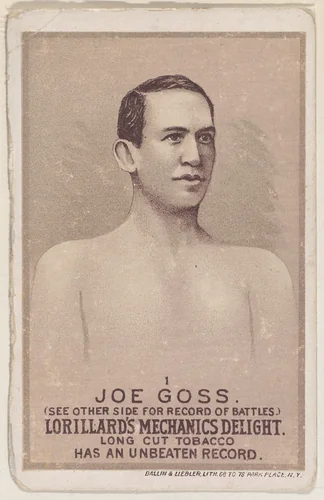
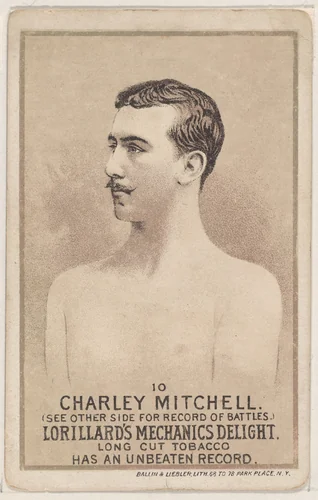
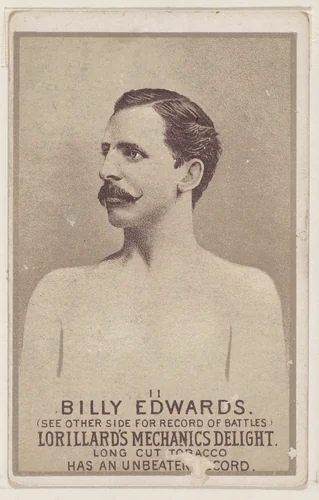
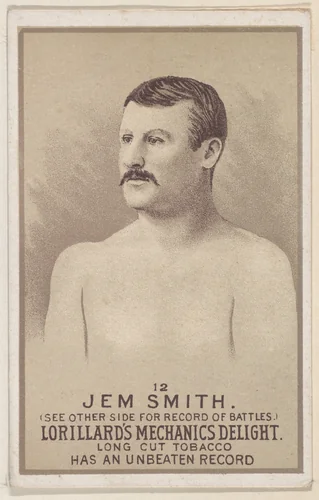
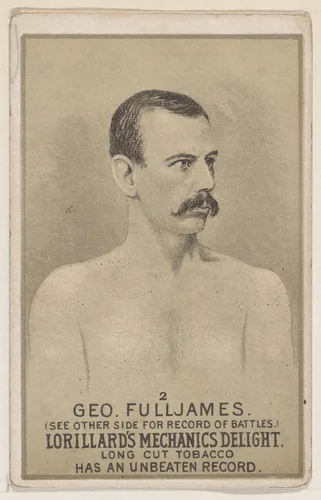
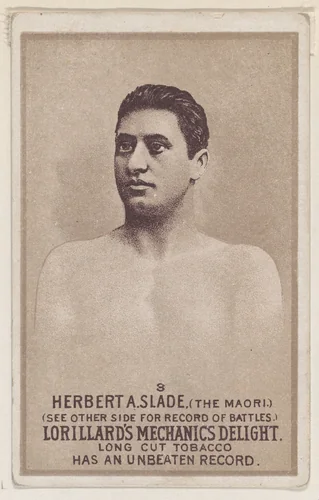
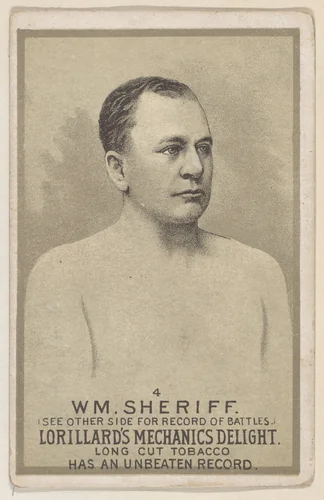
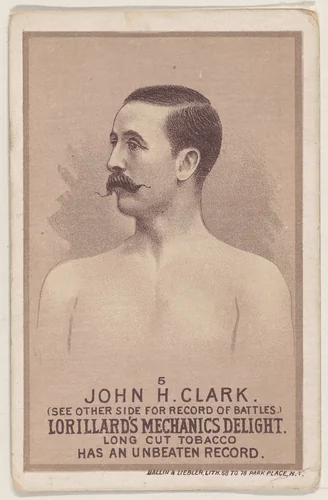
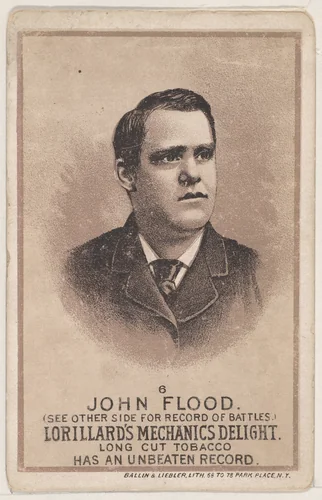
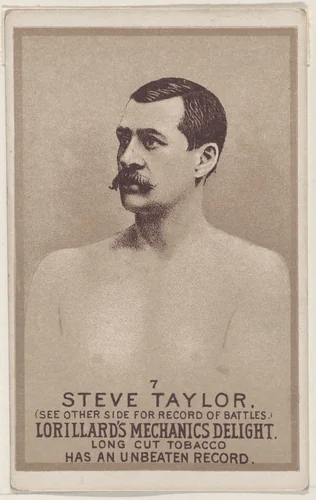
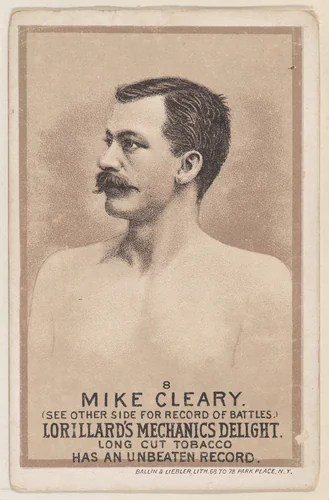
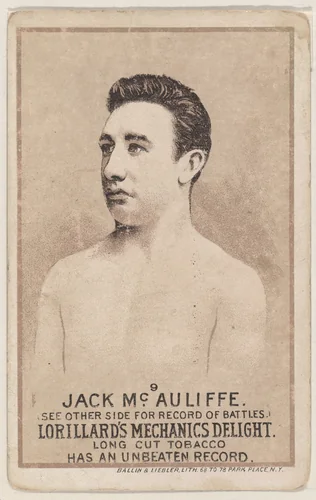
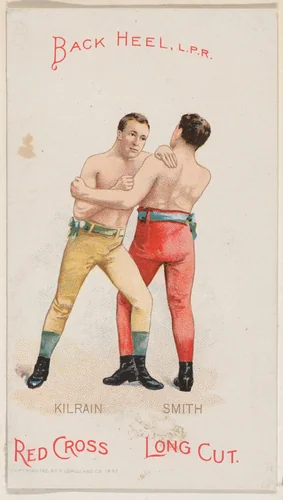
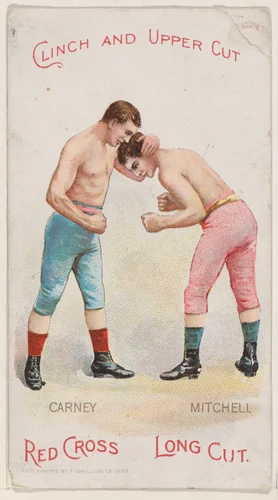
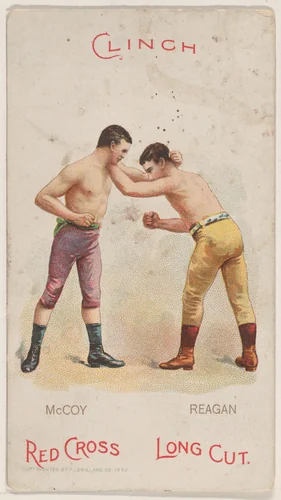
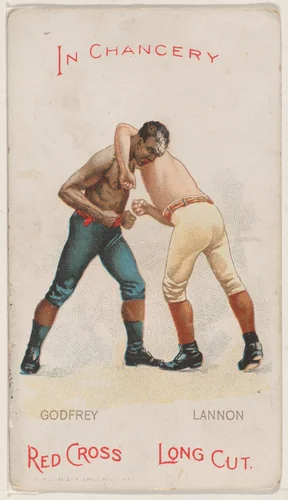
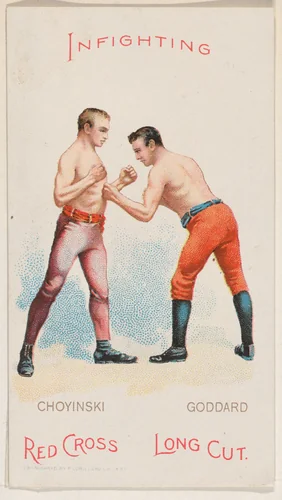
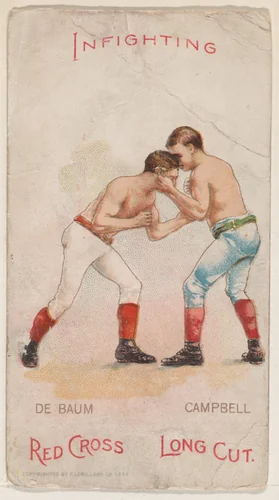
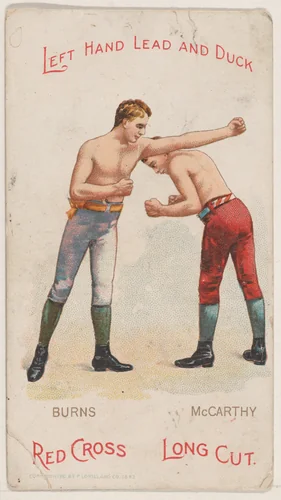
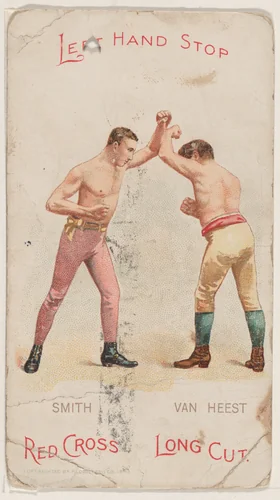
The company’s most notable contribution to late 19th-century visual culture is the extensive N269 series, titled the Prizefighters. Comprised of fifteen distinct works, these small-format prints were distributed as premiums inside packages of Mechanics Delight Long Cut Tobacco. Depicting contemporary athletic heroes like Joe Goss, Charley Mitchell, and Jem Smith, the series relied on advanced chromolithography to produce detailed and high-quality prints that resonated deeply with the collecting public.
Lorillard’s strategy centered on transforming advertising ephemera into objects of desire. By commissioning works focused on celebrity and sport, the company pioneered visual marketing techniques that linked consumer products directly to cultural figures. This massive distribution effort effectively democratized access to fine reproductive imagery. The commitment to producing images of a high standard meant that these miniature portraits functioned as early examples of accessible, museum-quality graphics distributed nationally.
It is perhaps ironic that one of the most effective and pervasive forms of art dissemination in the 1890s was financially sustained by tobacco consumption. Nevertheless, the P. Lorillard Company’s brief activity in the print world created an enduring visual record of the era’s taste for graphic design and celebrity portraiture. Today, much of this foundational body of work is considered public domain material, ensuring that these historical prints continue to be studied and appreciated.
Source: Wikipedia · CC BY-SA 4.0