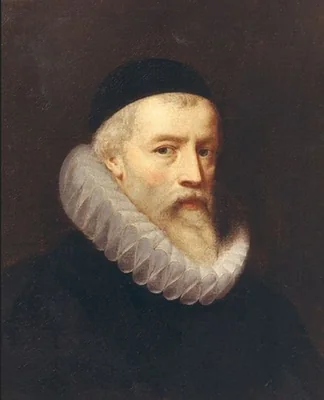
Otto van Veen
Otto van Veen was a pivotal figure in the transition of Northern European painting at the close of the 16th century, active primarily in the artistic hubs of Antwerp and Brussels. Celebrated as a painter, draughtsman, and classically educated humanist, van Veen’s synthesis of Italianate forms with Northern precision positioned him at the center of the Habsburg court, where he served as court painter to successive governors, including the Archdukes Albert and Isabella.
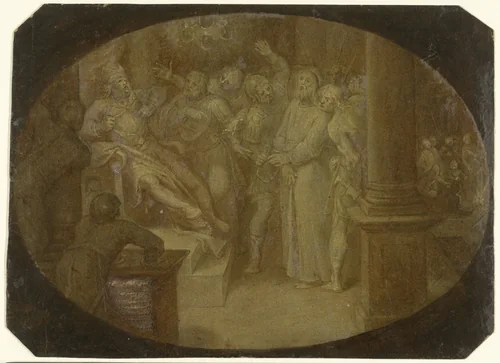
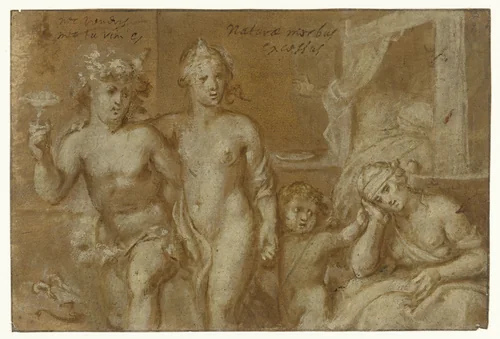
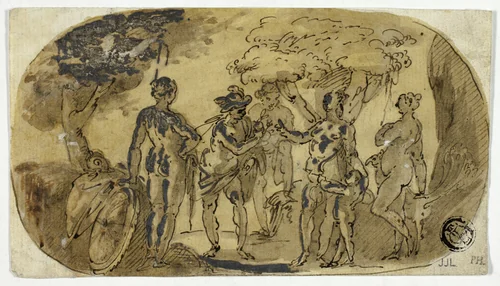
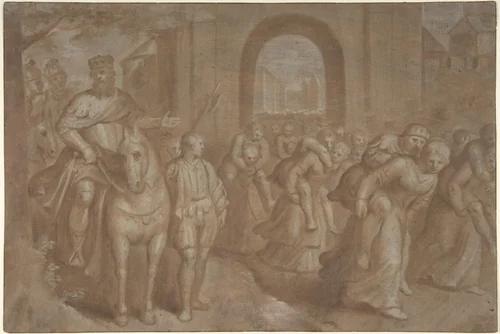
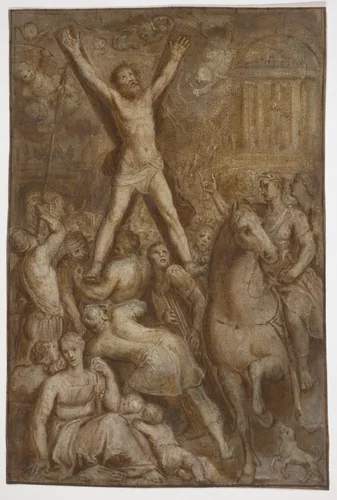
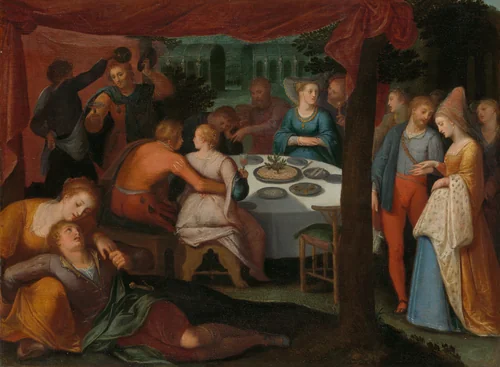
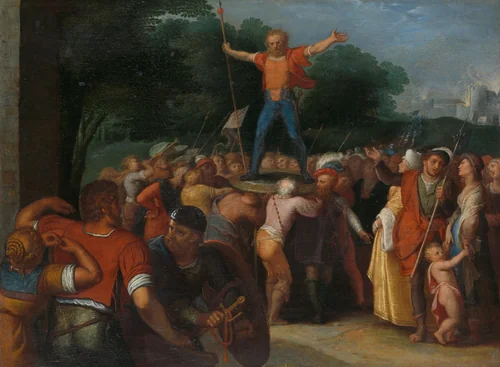
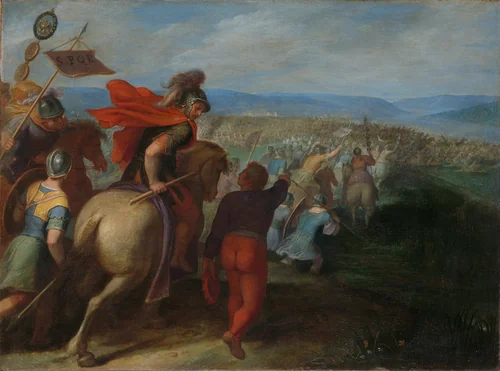
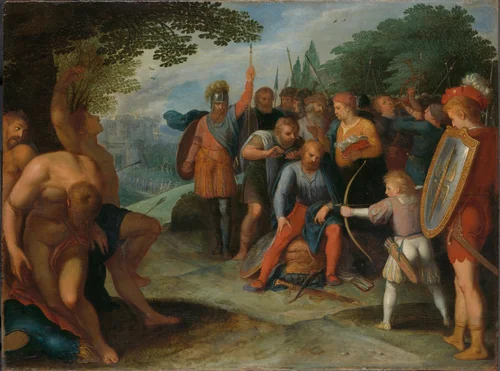
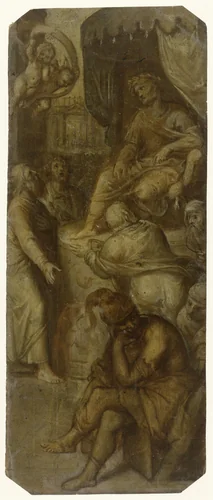
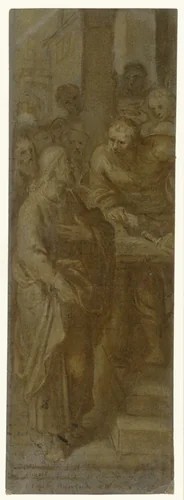
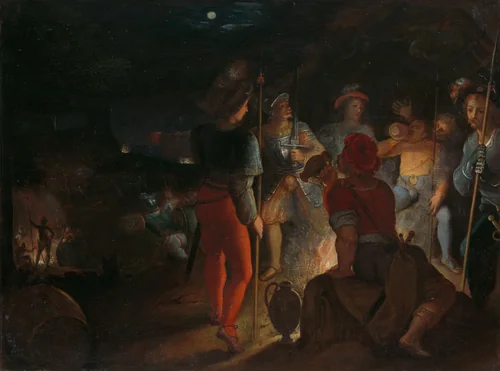
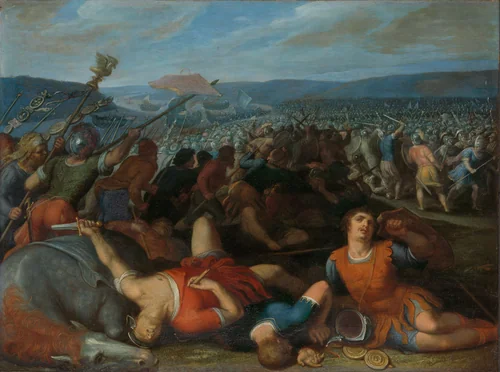
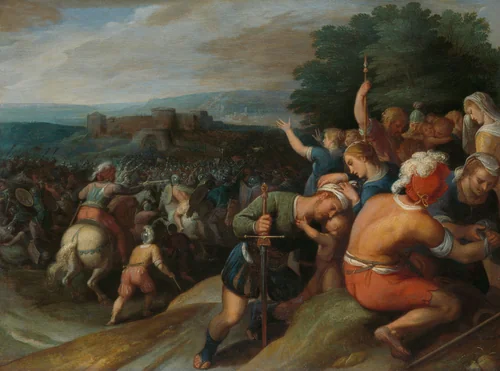
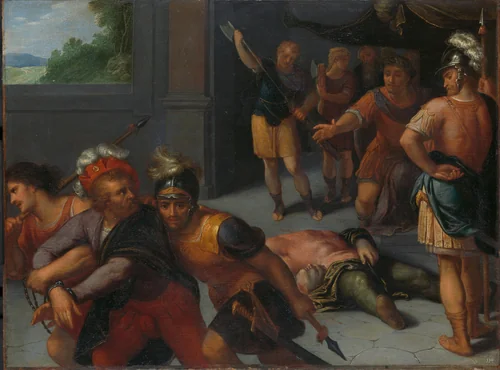
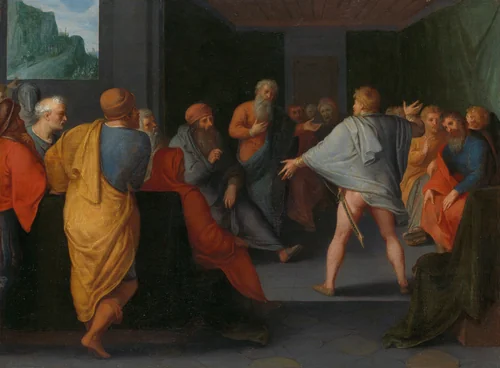
Van Veen’s substantial Antwerp workshop produced a prodigious output of religious and mythological canvases, allegories, and formal portraits. His artistic approach was characterized by a meticulous finish and a profound commitment to classical narrative, often utilizing visual allegory to convey moral and didactic messages. Major works such as Christus voor Kajafas and the refined Judgement of Paris showcase his adherence to sophisticated compositional structures drawn from Roman and Italian Renaissance models. Similarly, the thematic complexity seen in Gevolgen van de omgang met Bacchus en Venus reflects his intellectual concerns and ability to weave classical sources into contemporary visual discourse.
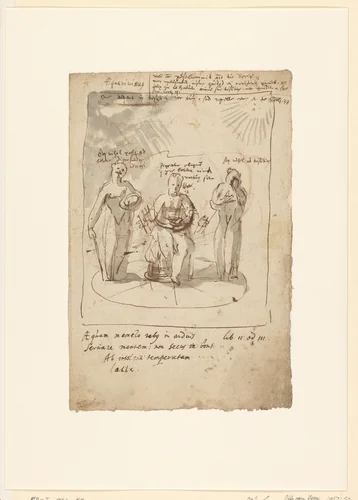
His influence extended beyond painting through his important designs for several popular emblem books, which circulated widely and provided rich visual material for intellectual discussion. Van Veen’s most enduring historical significance, however, lies in his role as the principal instructor of Peter Paul Rubens, whom he taught from approximately 1594 to 1598. Van Veen imparted not merely technical skill, but the crucial curriculum of the classically-educated pictor doctus—a persona Rubens would eventually adopt, refine, and revolutionize for the nascent Baroque era. Van Veen, therefore, played the necessary role of the intellectual bridge, passing the essential tenets of Renaissance erudition to the next generation’s defining force.
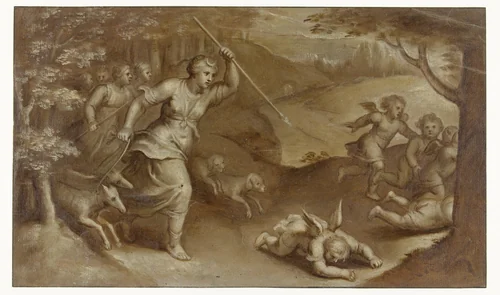
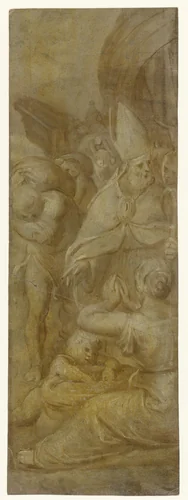
Despite the subsequent overshadowing by his prodigious pupil, Otto van Veen paintings remain significant examples of Mannerist classicism in the Low Countries. Today, his surviving oeuvre, including important drawings like Diana verjaagt Cupido en zijn helpers die haar probeerden te strikken, is preserved in major international repositories, including the Metropolitan Museum of Art and the Rijksmuseum. Many of these historically valuable Otto van Veen prints and images are now widely accessible as downloadable artwork in the public domain, ensuring that his measured classicism continues to be studied and appreciated, often through high-quality prints.
Source: Wikipedia · CC BY-SA 4.0