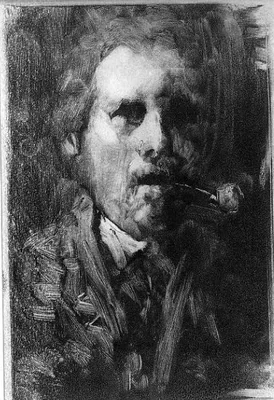
Otto Henry Bacher
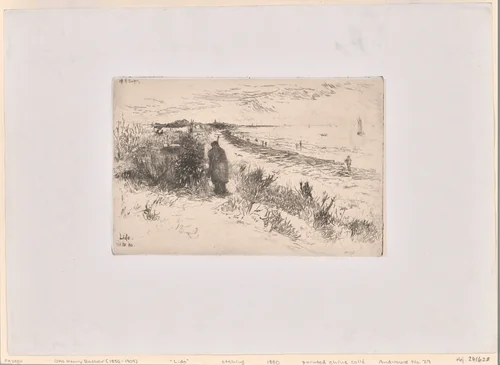
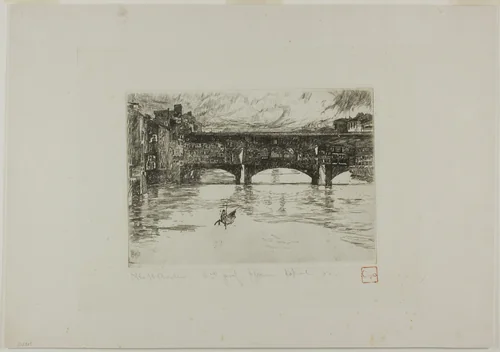
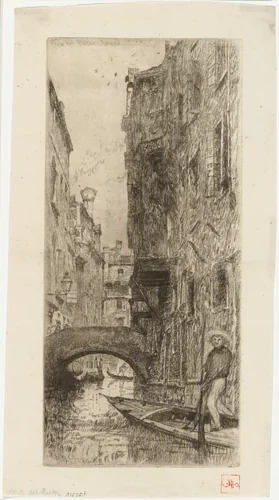
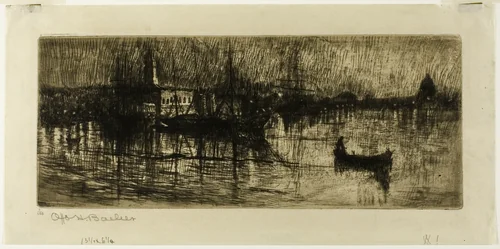
Otto Henry Bacher (1856-1909) was an American artist principally recognized for his mastery of etching and illustration, though his output also included a significant body of oil paintings across various genres. While active across several decades, Bacher's most celebrated innovations in printmaking are concentrated in a brief but exceptionally fertile period spanning 1879 and 1880. It is through these early, technically sophisticated prints that his standing in American art history is firmly established.
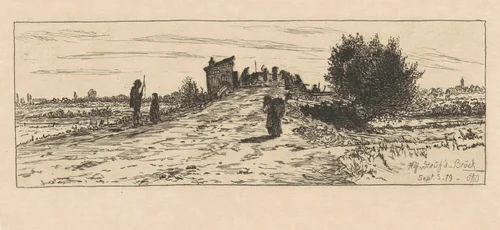
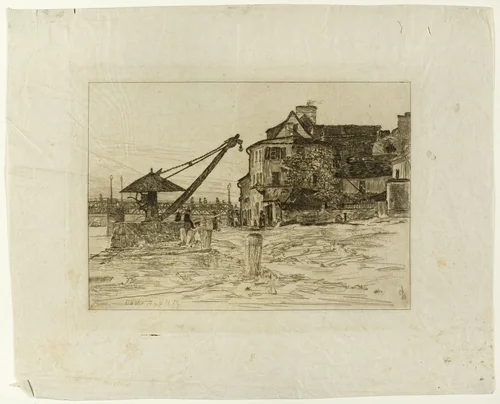
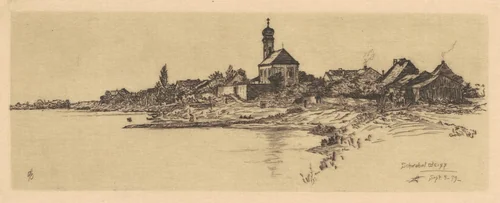
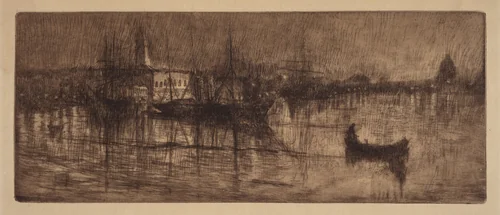
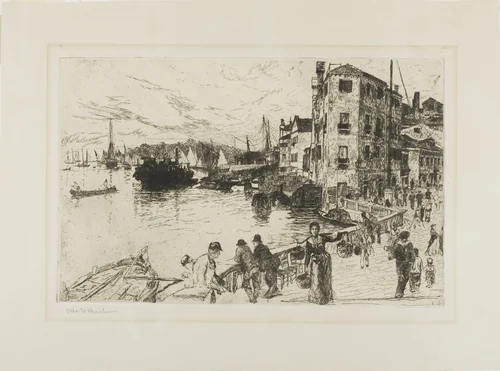
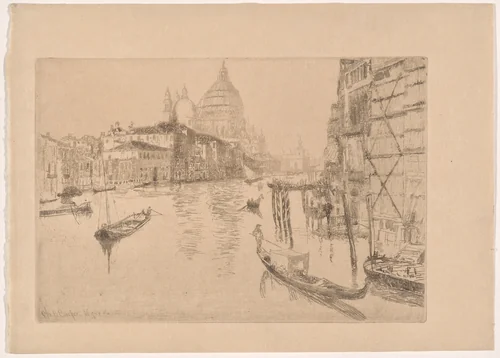
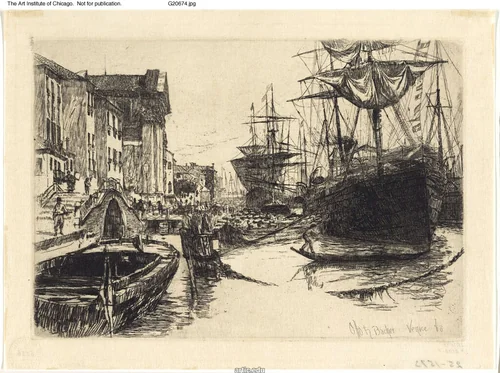
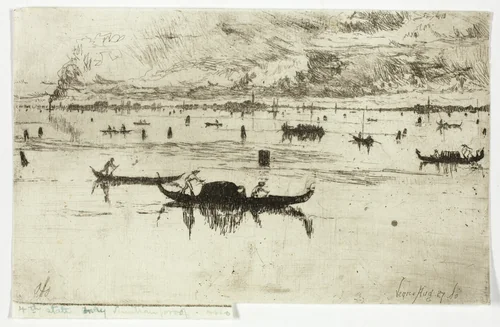
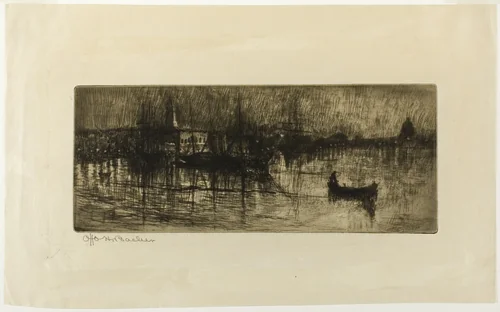
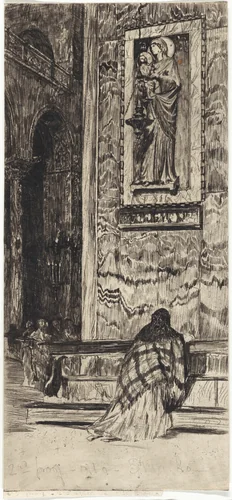
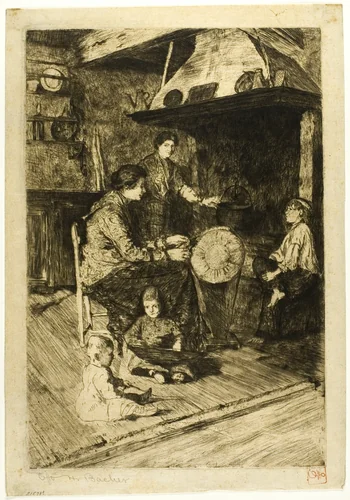
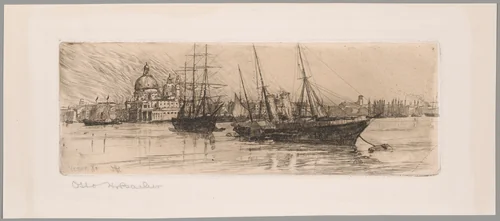
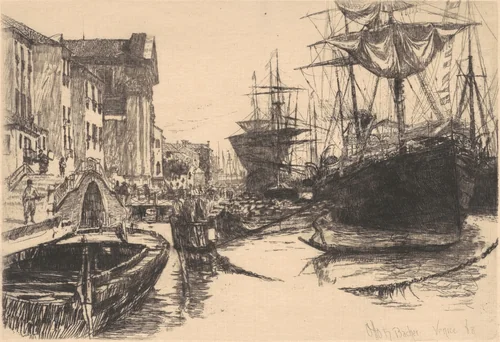
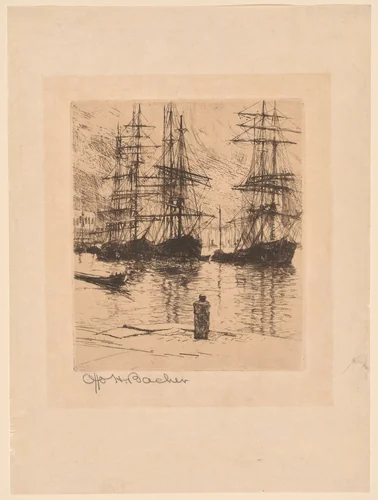
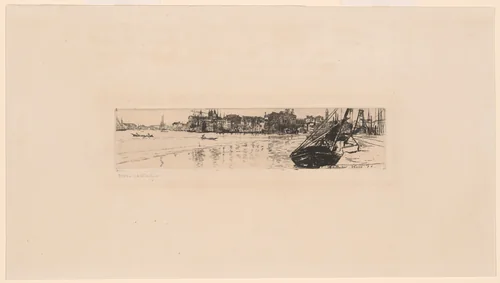
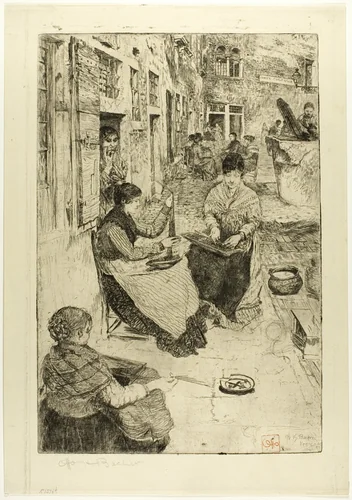
Bacher’s work during this focused period defined his skill in capturing both intimate architectural detail and sweeping atmospheric conditions. His celebrated series includes the moody, tonal study A Wet Evening in Venice and the more architecturally precise Castello Quarter, Riva. Complementing these Venetian subjects are central European views such as Aŭf Staŭfá Brŭck and focused studies of the river landscape, including Danube and Schwabelweiss. These works demonstrate a deep commitment to observational drawing skillfully translated through the complex process of the etched plate.
The presence of original Otto Henry Bacher prints in major institutions, notably the Art Institute of Chicago and the National Gallery of Art, confirms the enduring value and museum-quality of his contributions to graphic art. While less known than his etchings, Bacher was also a respected painter, producing Otto Henry Bacher paintings in a variety of styles; however, his legacy rests primarily on the quality of his draftsmanship and innovation in the intaglio medium.
Historically, Bacher often features in accounts of expatriate American artists in Europe. He was an intimate technical associate of James McNeill Whistler during their time in Venice, a period during which Bacher acted as a key witness to the evolution of Whistler's etching technique. Unusually, he sometimes assisted the older master in preparing and proofing his plates. This collaborative proximity cemented Bacher as an important figure who both chronicled and participated in the printmaking developments of the era. Today, the high-quality prints and graphical works derived from Bacher’s catalogue are increasingly available as downloadable artwork, furthering the appreciation of this understated master of the American etching revival.
Source: Wikipedia · CC BY-SA 4.0