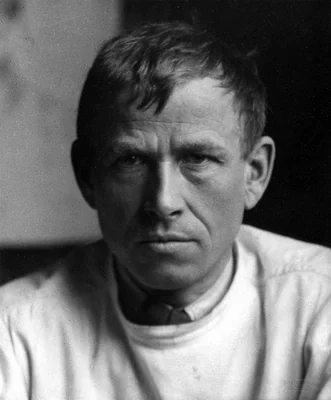
Otto Dix
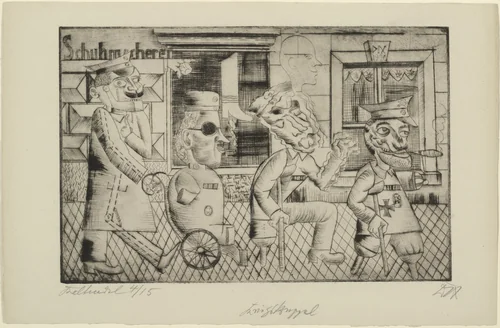
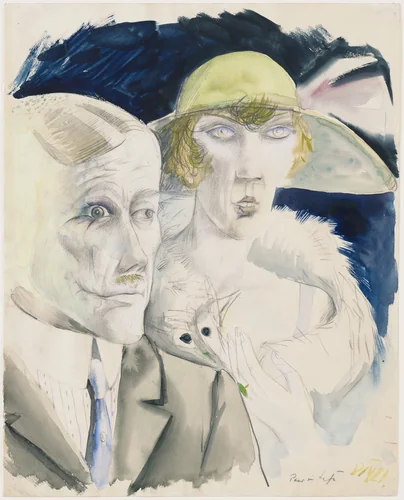
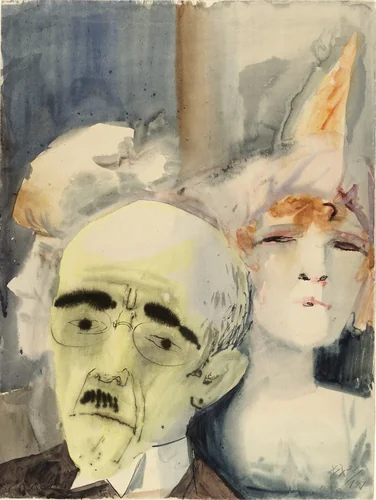
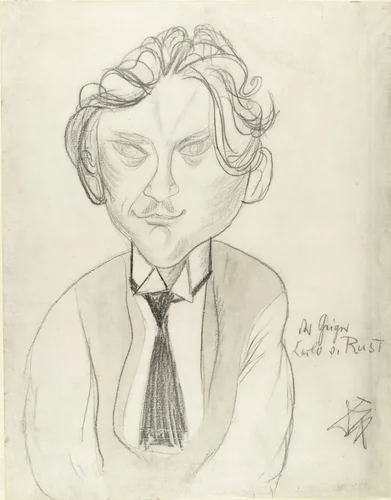
Wilhelm Heinrich Otto Dix (1891-1969) established himself as one of the most vital and confrontational German artists of the twentieth century. A painter and printmaker, he is defined by his harshly realistic and often ruthless depictions of social strata during the turbulent Weimar Republic and the profound brutality inflicted by modern warfare. Dix is recognized alongside George Grosz and Max Beckmann as a central figure of the post-Expressionist movement known as Neue Sachlichkeit (New Objectivity), which sought a cool, precise, and often cynical portrayal of immediate reality.
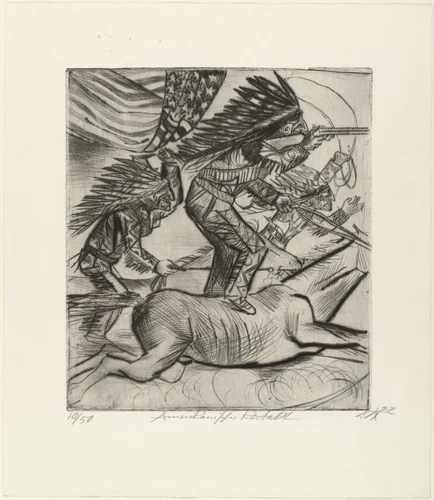
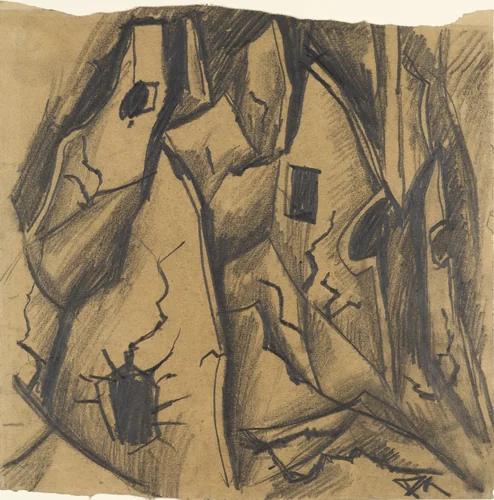
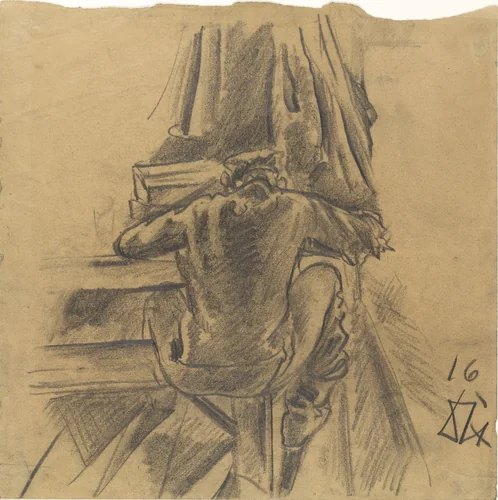
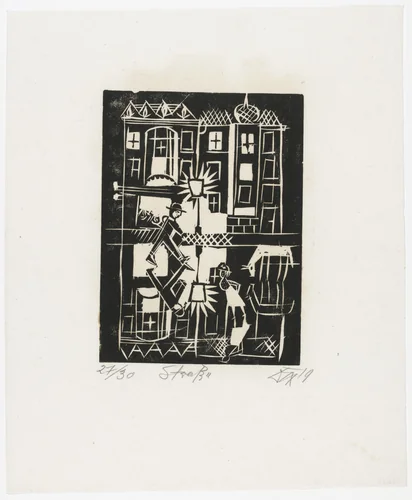
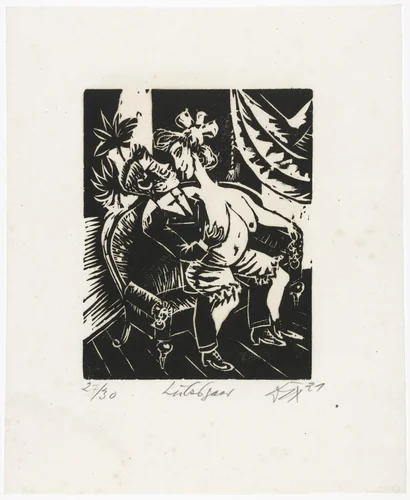
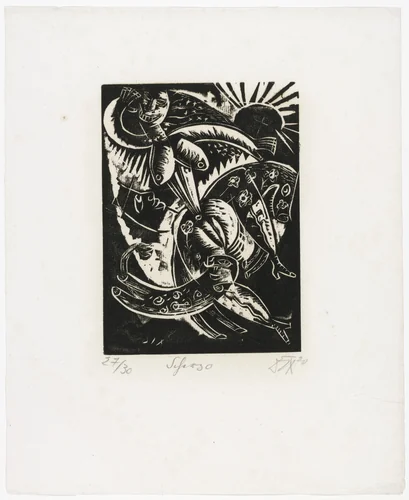
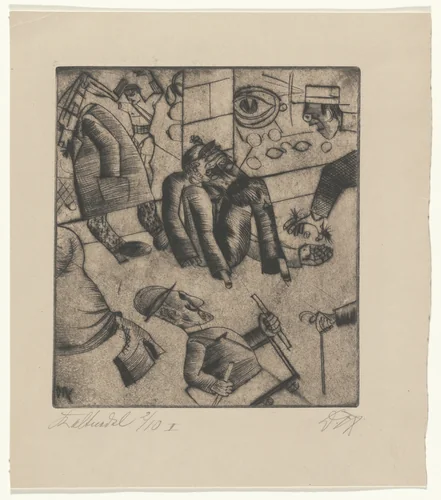
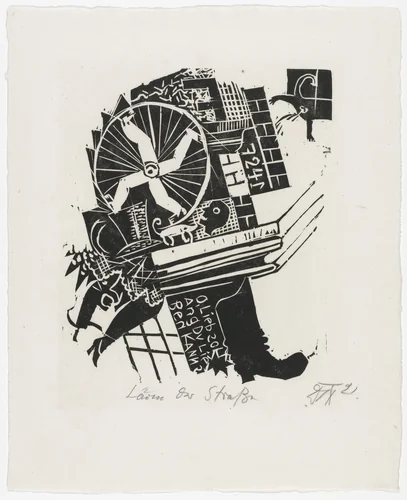
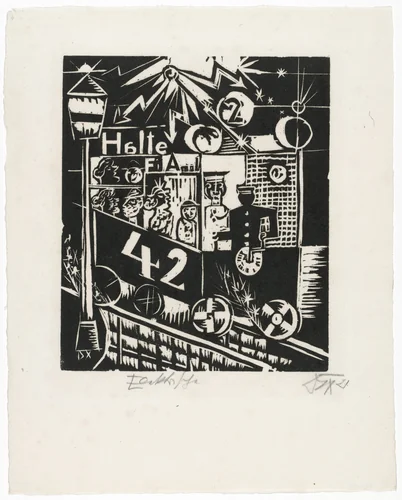
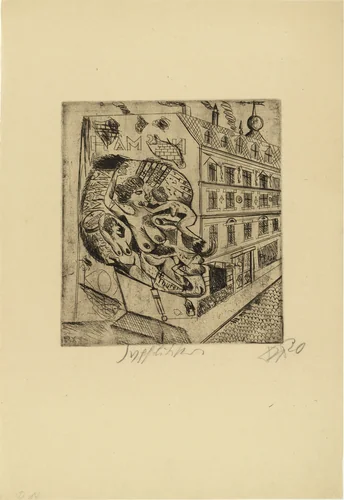
Dix’s artistic foundation was forged directly in conflict. Serving on both the Western and Eastern fronts during World War I, he created hundreds of sketches that formed the basis for his definitive visual critique of militarism. The period between 1914 and 1920 saw him experimenting extensively with graphic media, focusing on technical innovation to convey the sensory horror of the trenches. His works from this era, such as the prints A Riddled Wall (Zerschossene Mauern) and A Soldier Writing (Schreibender Soldat), capture the disfigurement of landscape and man with unflinching accuracy. This focus on wartime trauma further manifested in stark portfolios like Nine Woodcuts (Neun Holzschnitte), which includes the unsettling imagery of Apotheosis and Man and Woman (Nocturnal Scene) [Mann und Weib (Nächtliche Szene)].
While Dix’s subjects are frequently disturbing, his technical precision is striking. His method often utilized Renaissance-era glazing techniques adapted to modern, grotesque subject matter, lending an eerie timelessness to scenes of postwar decadence and social friction. One might observe that Dix possessed the peculiar ability to render both beauty and devastation with the same clinical, penetrating eye.
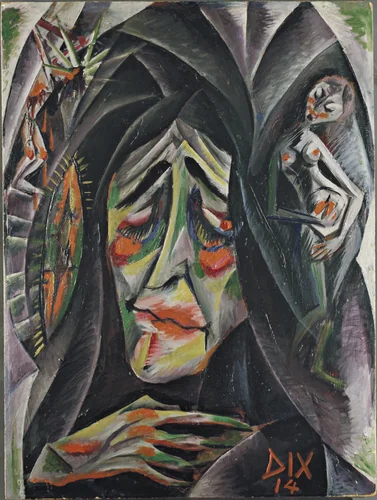
His critical view of German society provided an essential, if uncomfortable, historical record. Dix's mastery of the graphic form, evident in seminal works like The Nun, ensures that his Otto Dix prints remain cornerstones of modern German art collections globally. Due to the high demand for museum-quality reproductions of his graphic work, many of his early prints and drawings are now available as downloadable artwork, ensuring accessibility to the public domain. The result is a body of work that refuses to romanticize suffering, offering instead a sober indictment of the social and political forces that shaped interwar Europe.
Source: Wikipedia · CC BY-SA 4.0
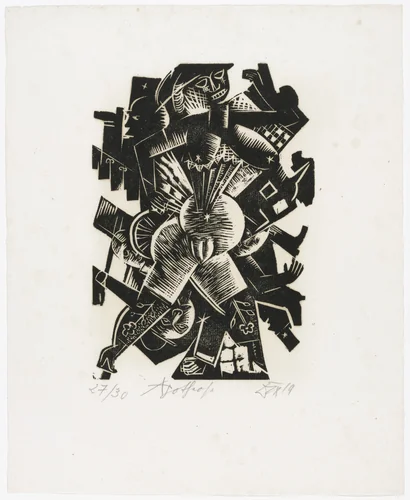
![Man and Woman (Nocturnal Scene) [Mann und Weib (Nächtliche Szene)] from the portfolio Nine Woodcuts (Neun Holzschnitte) by Otto Dix, print, 1919](https://img.artbee.org/e0a0c826-e7a5-4b0b-8380-3d36560c1d52/small.webp)
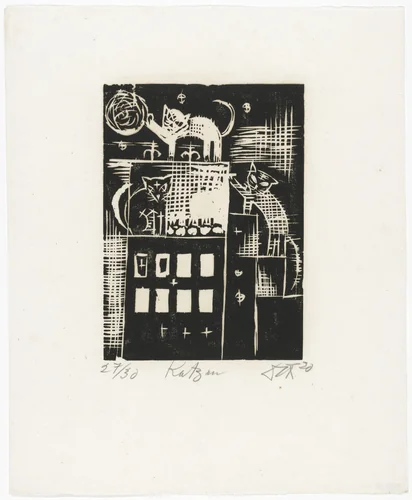
![The Celebrities (Constellation) [Die Prominenten (Konstellation)] from the portfolio Nine Woodcuts (Neun Holzschnitte) by Otto Dix, print, 1920](https://img.artbee.org/c8b05733-7e85-4d16-b846-eca22606ffdd/small.webp)