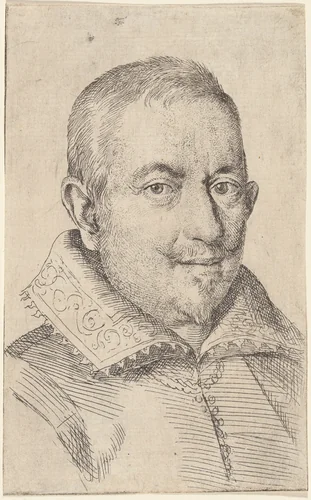
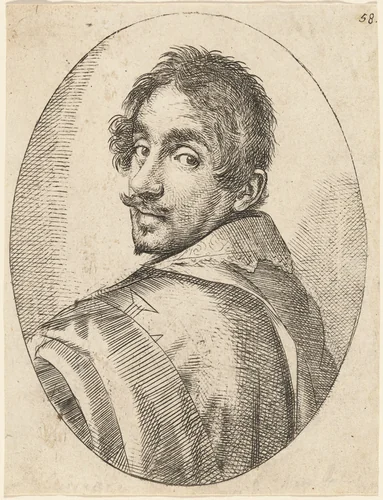
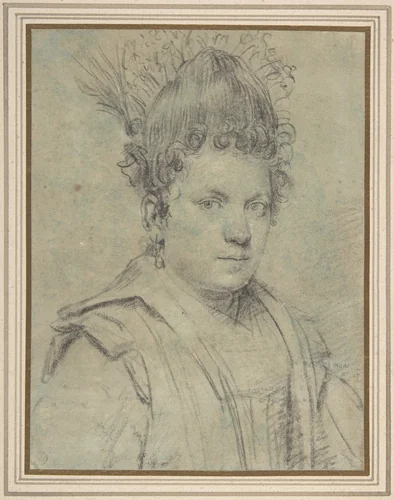
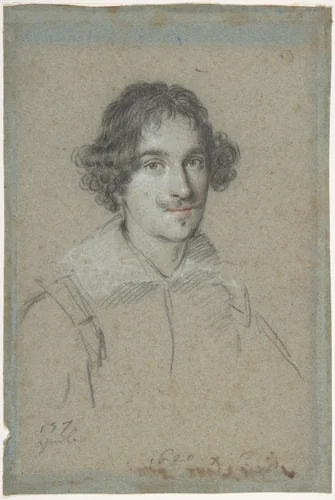
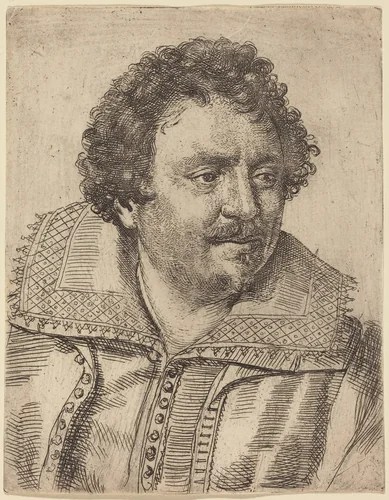
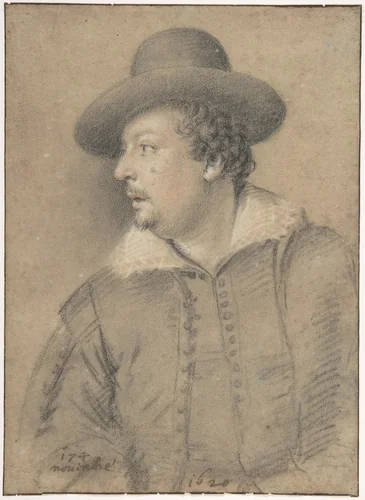
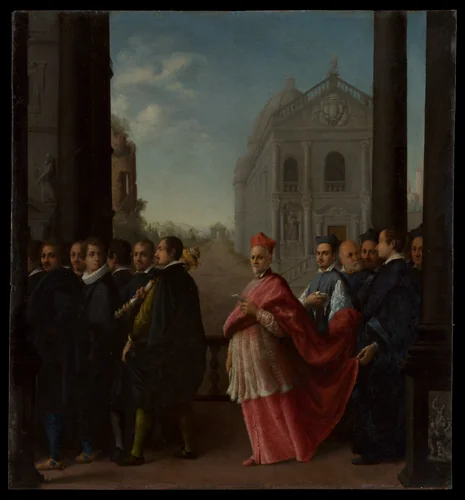
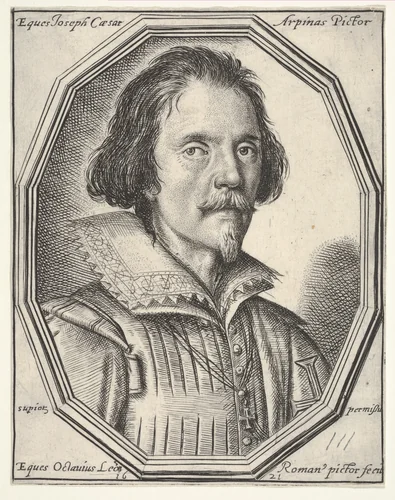
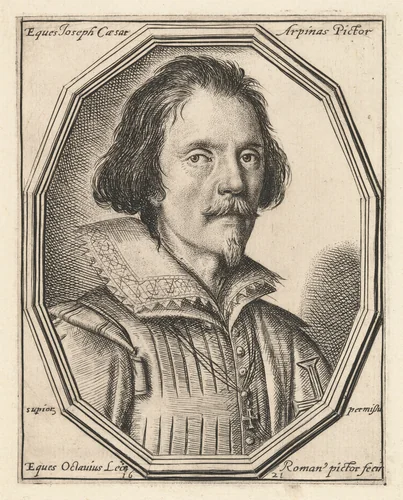
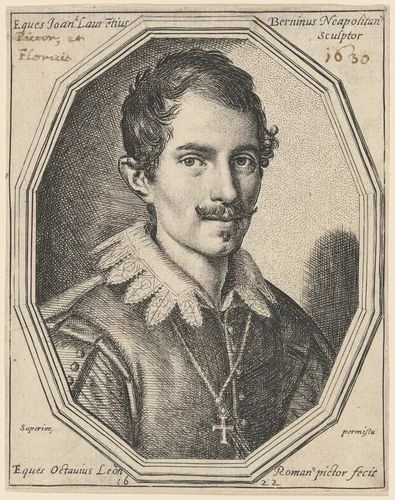
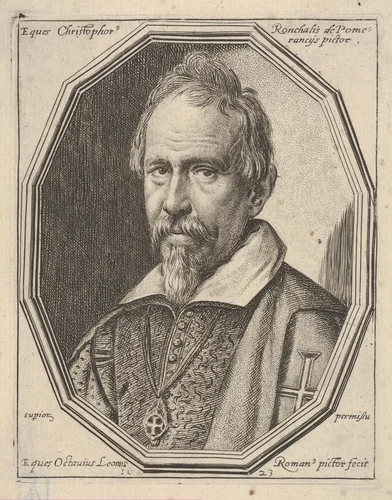
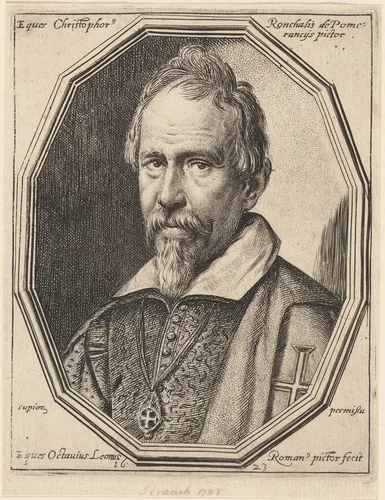
, a bust-length portrait in a twelve-sided frame MET DP833524.jpg)
Ottavio Leoni
Ottavio Leoni (1578-1621) was an essential chronicler of early-seventeenth-century Roman society, active primarily as a printmaker and draftsman during the transition into the Baroque era. While the nascent movement often championed monumental canvases and dramatic religious narratives, Leoni carved a highly specialized niche, establishing himself as the era's foremost master of intimate, yet rigorously detailed, portraiture. His career flourished in Rome, where he served a demanding clientele that included influential cardinals, powerful noblemen, and leading artistic figures.
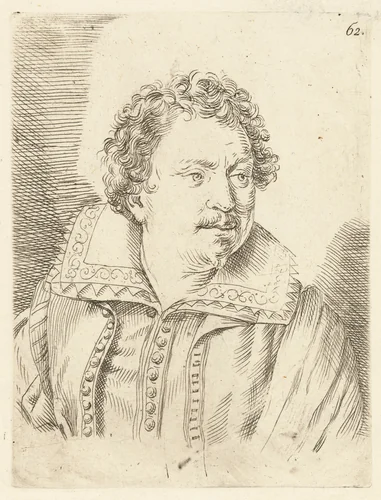
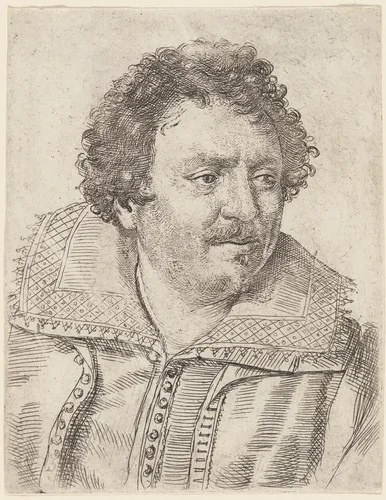
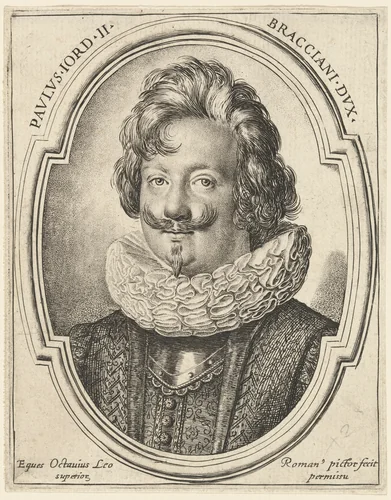
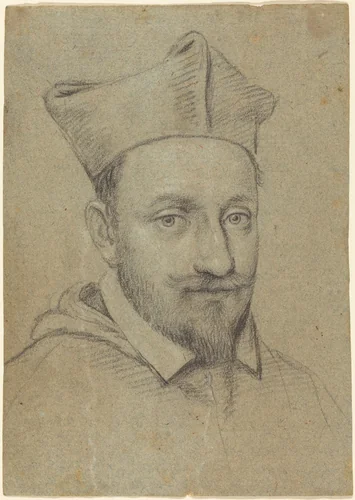
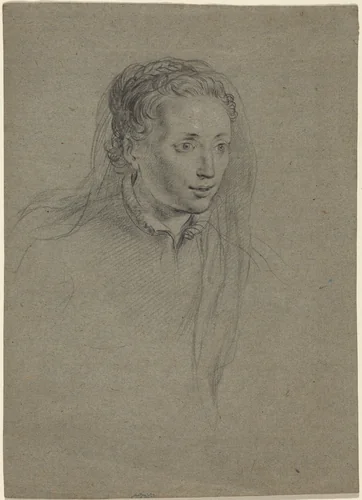
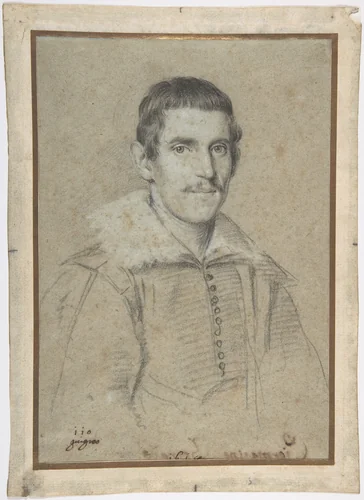
Leoni’s visual authority stems largely from his mastery of the chalk drawing, a medium that allowed him a psychological depth and spontaneity often absent in formal painted portraits of the time. He expertly utilized black, red, and white chalks on prepared papers, achieving a textural realism that precisely captured the subtle expressions and intricate sartorial details of his sitters. Notable examples of this exacting process include the study of Portrait of a Middle-Aged Man and the specific rendering of Paolo Giordano Orsini II.
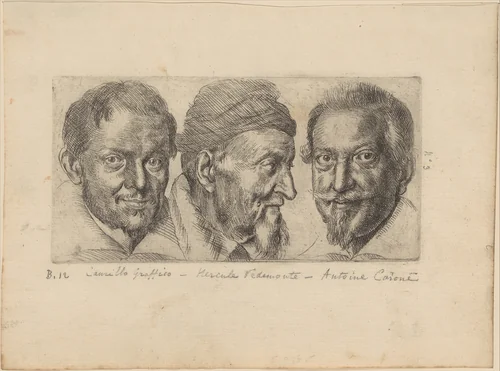
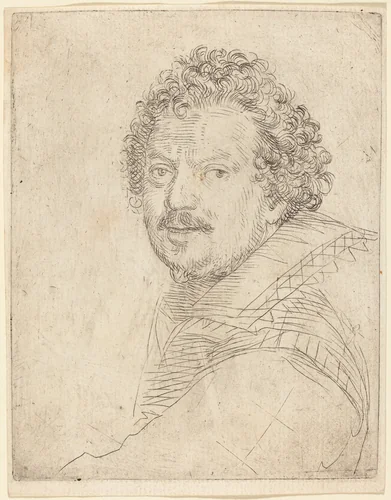
He also understood the rising demand for accessible, repeatable likenesses, and his extensive work in etching and engraving cemented his reputation as a prolific provider of portrait prints that circulated widely across Europe. Leoni effectively curated the visual identity of the Eternal City’s social hierarchy. It is a subtle measure of his importance that anyone who mattered in early-seventeenth-century Rome likely sat for him at least once, granting historians today an invaluable, high-quality pictorial index of the era’s key players. With over 300 attributed portrait engravings—far outweighing his known Ottavio Leoni paintings—his output effectively defined the visual standard for official portraiture in print media.
Today, Leoni’s works form core holdings in prestigious institutions, including the Metropolitan Museum of Art and the National Gallery of Art. His historical importance ensures that his documents of the early Baroque are highly valued. Thanks to digitization efforts, many of these historical artifacts, prized for their sharp clarity, are now available as downloadable artwork, ensuring that the legacy of his museum-quality documentation remains firmly in the public domain.
Source: Wikipedia · CC BY-SA 4.0