Olivier Bro de Comères
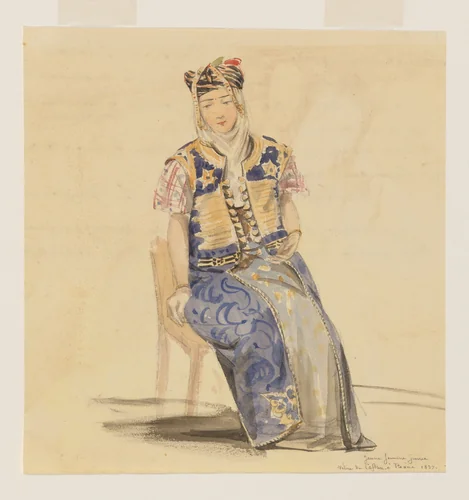
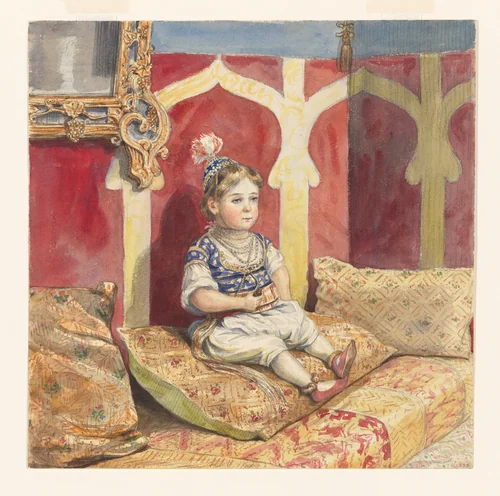
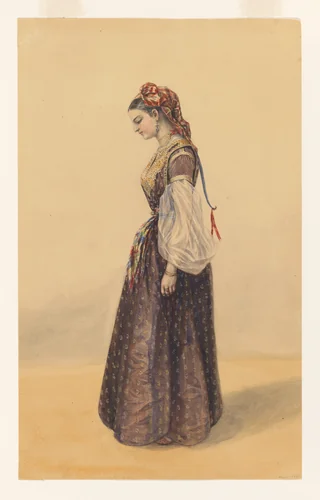
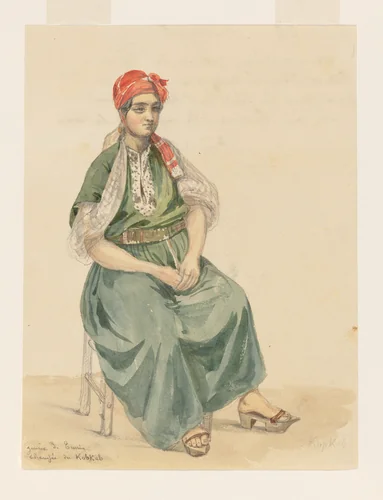
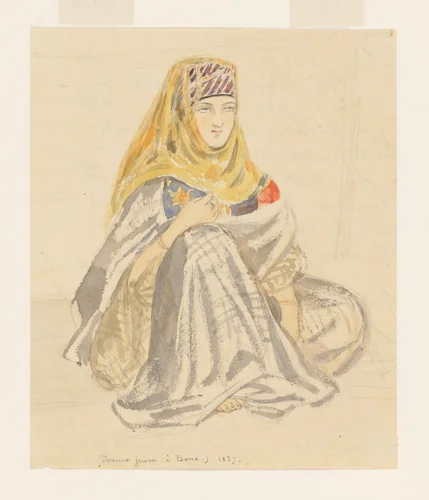
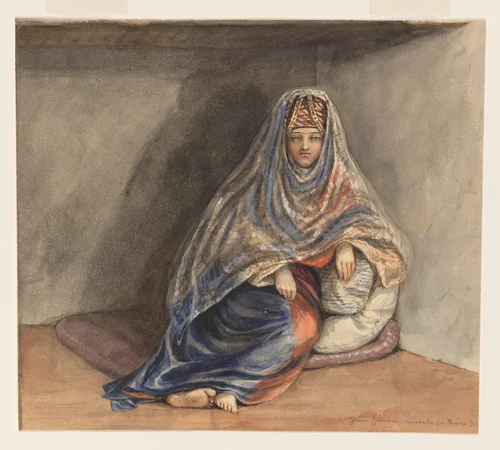
Olivier Bro de Comères was an artist documented as active between 1828 and 1832. Their known artistic output consists primarily of detailed drawings depicting architectural studies and scenes of daily life in early 19th-century North Africa, specifically Algeria.
Ten of Bro de Comères’s drawings are currently represented in museum collections, all held by the Metropolitan Museum of Art in New York. These works provide documentation of the region just prior to and during the initial phase of French colonization.
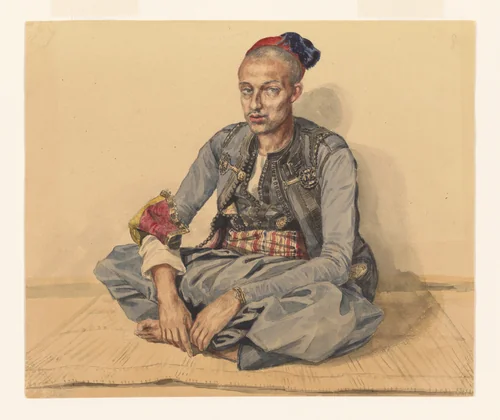
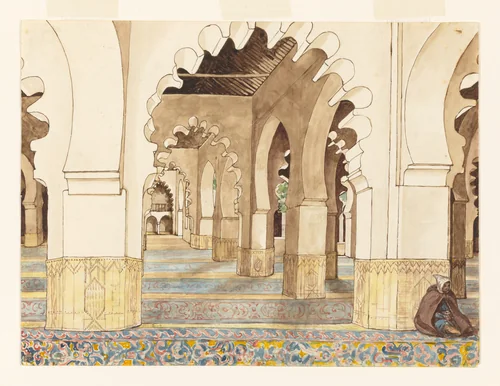
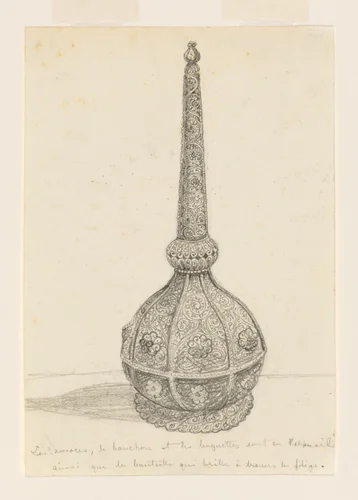
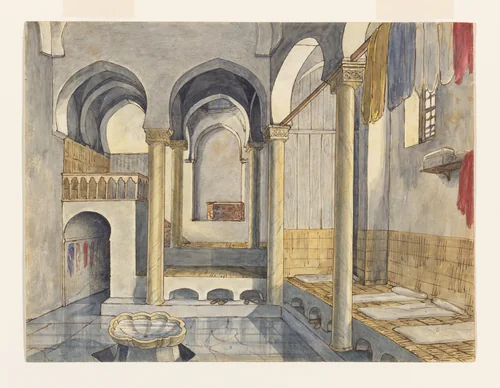
The artist’s work focuses keenly on local figures and environments. Key examples include the figure study Artisan from Algiers, and detailed renderings of significant structures, notably Interior View of the Prayer Hall, Djamaa el Kebir. Other works demonstrate an interest in social customs and institutions, such as Rosewater Sprinkler, Slimann’s Moorish Baths, and the localized portrait A Sickly Woman from Bône.
Although their known period of activity was brief, Olivier Bro de Comères’s visual records hold historical significance. Today, many historical art records from this period are available in the public domain, allowing widespread educational access. Researchers and collectors utilize these resources to acquire high-quality prints of the artist’s work for study.