Olga Rozanova
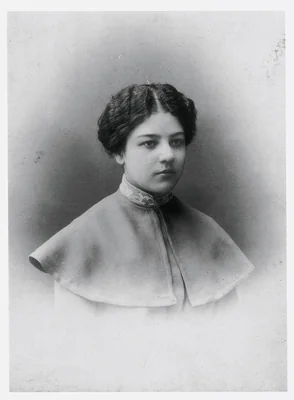
Olga Vladimirovna Rozanova (1886–1918) remains one of the most vital figures of the Russian avant-garde, an artist whose prodigious, though tragically brief, career established her as a leading voice in the transition toward pure abstraction. Active beginning in 1913, she demonstrated a remarkable fluency in the succession of movements that defined pre-Revolutionary modernism. Rozanova skillfully navigated the formal territory defined by Neo-Primitivism and the rhythmic energy of Cubo-Futurism before dedicating the final years of her life to the non-objective forms of Suprematism.
Her work is characterized by a decisive and often startling use of color, which she employed not merely decoratively but structurally, anticipating later concerns around the integrity of the color plane. Rozanova’s aesthetic evolution, encompassing multiple epochs of visual theory, occurred with a velocity matched by few of her contemporaries. She was constantly pushing the boundaries of representation, eventually dissolving the last vestiges of objective reality in favor of dynamic, autonomous color systems. Today, examples of her finest Olga Rozanova paintings are held in leading institutions, confirming their status as museum-quality works central to the history of abstract art.
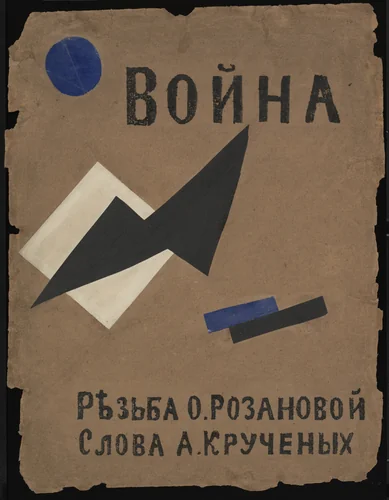
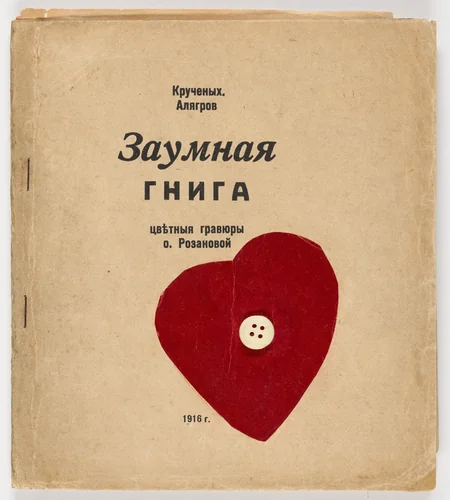
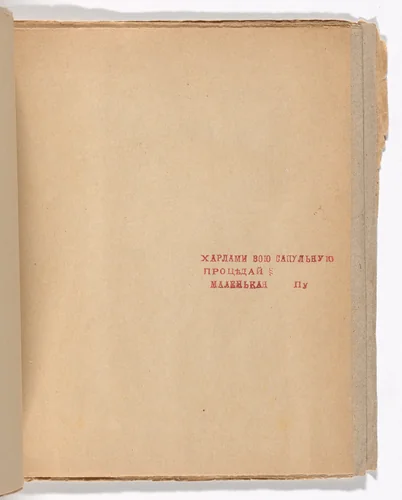
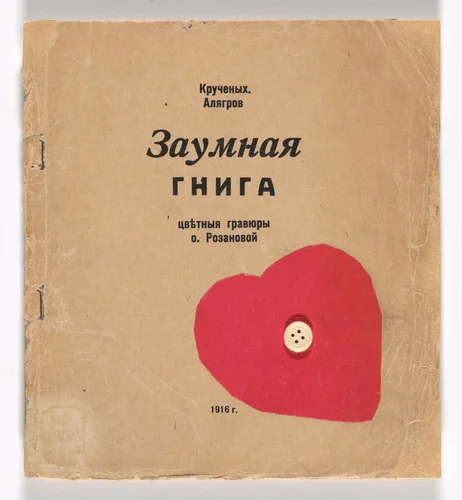
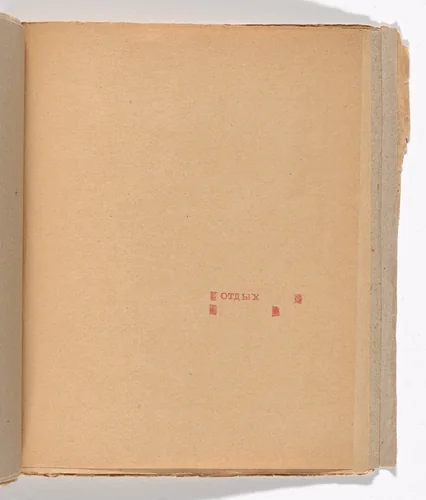
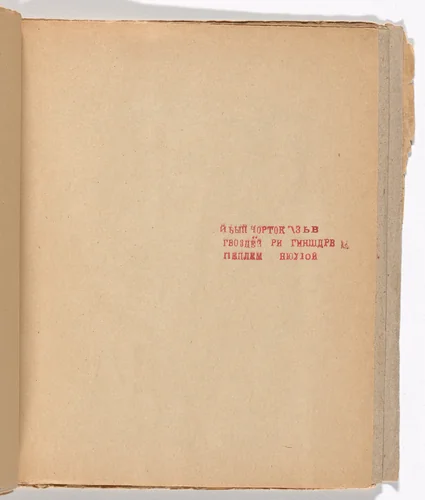
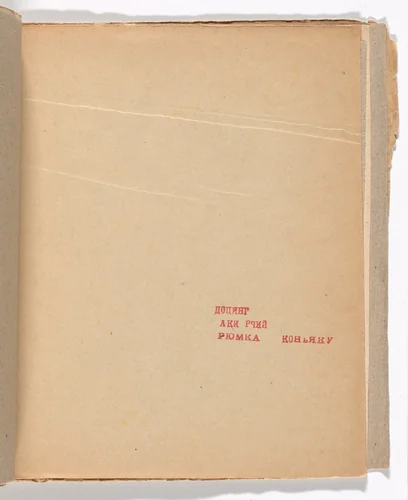
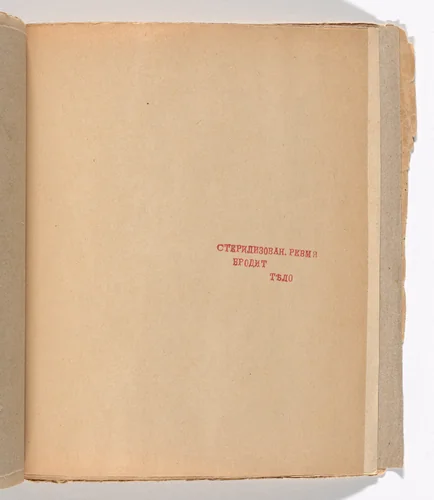
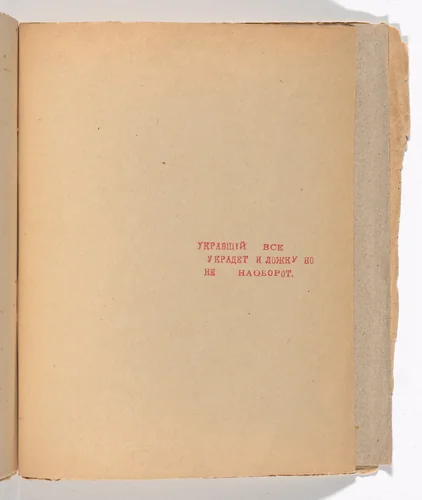
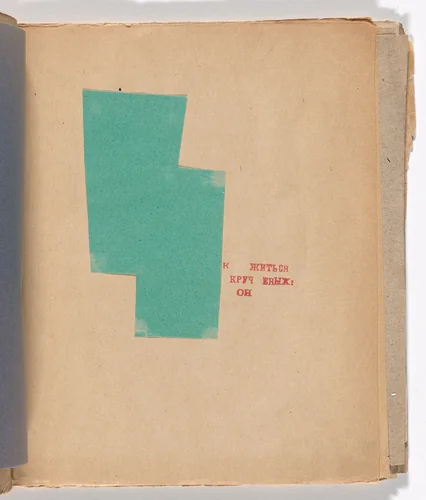
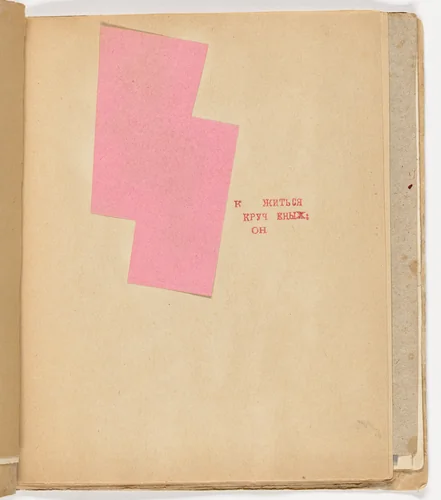
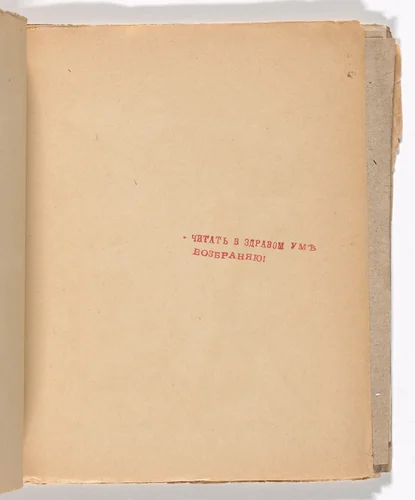
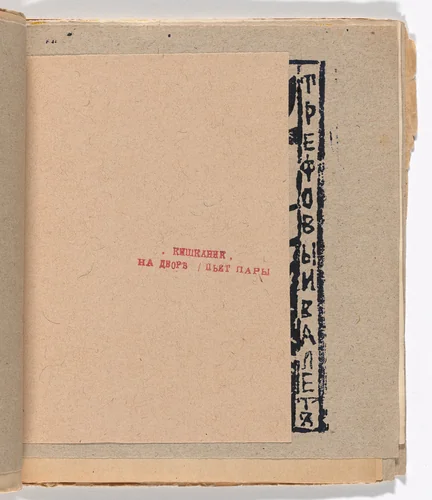
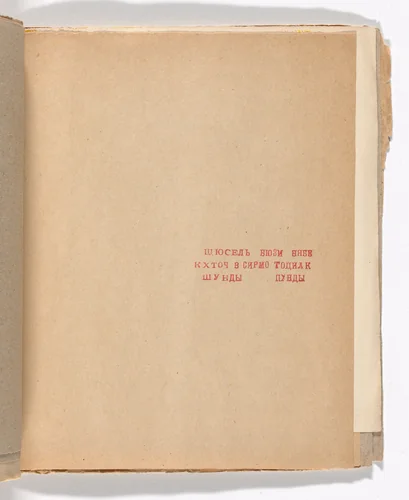
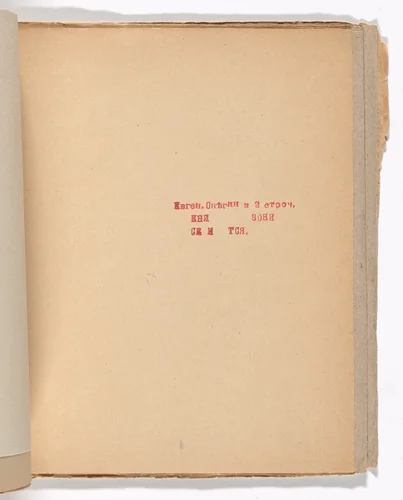
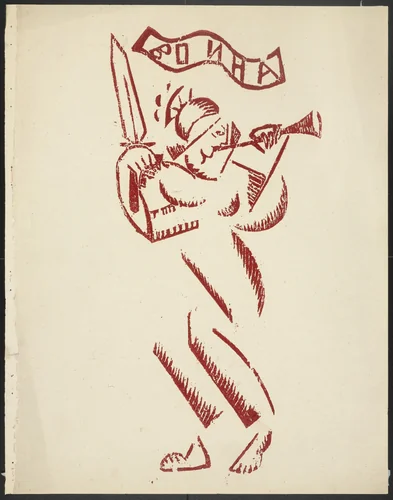
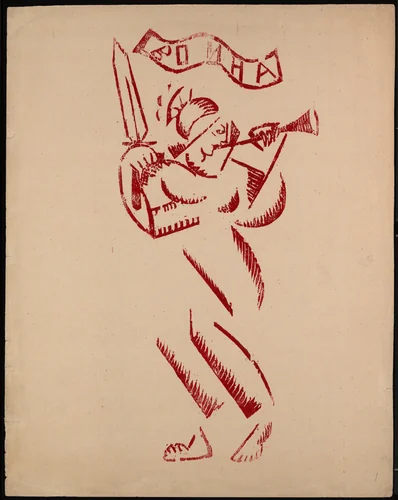
Rozanova’s innovations extended beyond the canvas, fundamentally reshaping the medium of the book. She completed approximately fifteen landmark illustrated books, often produced in close collaboration with radical Futurist poets like Alexei Kruchenykh. In these highly experimental volumes, Rozanova merged text and image into cohesive, anarchic objects. Her illustrations for Chort i rechetvortsy (The Devil and the Speechmakers), and the potent lithographs found in Igra v adu (A Game in Hell), including Folio 10 verso and Folio 12 verso, are masterpieces of graphic design, utilizing the jagged lines and fragmented compositions characteristic of the movement.
Despite her premature death from influenza at age 32, Rozanova’s aesthetic output had a profound, lasting effect on Soviet art history. Her legacy continues to be appreciated globally; as key works move into the public domain, the opportunity to study high-quality prints of her illustrations provides fresh access to her extraordinary contributions to modern art.
Source: Wikipedia · CC BY-SA 4.0
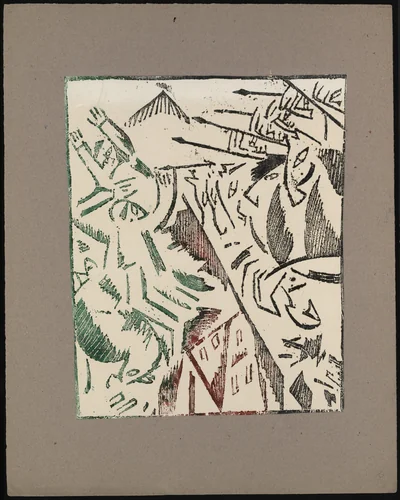
![Bitva v trekh sferakh (na sush, na mor i v vozdukh) (Battle in Three Spheres [Land, Sea, and Air]) from Voina (War) by Olga Rozanova, illustrated book, 1915](https://img.artbee.org/92c793ca-0930-4b2a-9eb1-a70b5bbdc9ee/small.webp)
![Bitva v trekh sferakh (na sush, na mor i v vozdukh) (Battle in Three Spheres [Land, Sea, and Air]) from Voina (War) by Olga Rozanova, illustrated book, 1915](https://img.artbee.org/1daf4635-b999-4037-81fa-37175b9baf69/small.webp)