Ogata Gekko
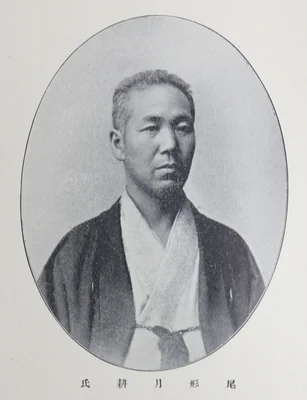
Ogata Gekko (1859-1920) remains a highly regarded master of the late Meiji period, celebrated equally for his sophisticated Nihonga painting style and his innovative designs for ukiyo-e woodblock prints. Working during a transformative era in Japanese art history, Gekko achieved a rare synthesis of traditional aesthetics with modern sensibilities. Remarkably, Gekko was self-taught, rising through the ranks to become a national success story, culminating in numerous prestigious prizes both domestically and abroad. This early international acclaim established him as one of the pioneering Japanese artists whose work transcended regional boundaries, capturing a global audience decades before modernism fully took hold.
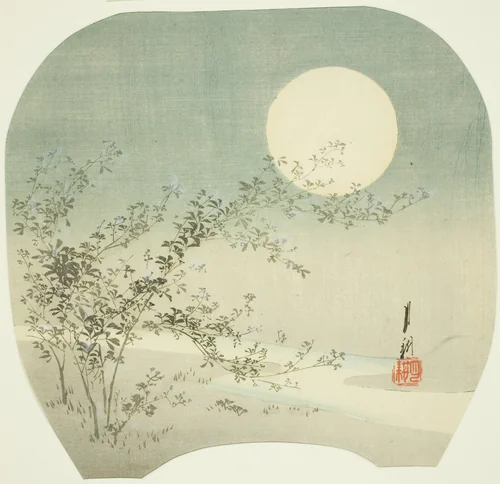
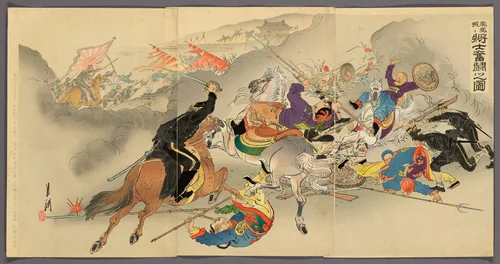
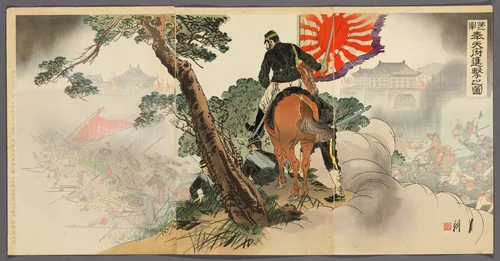
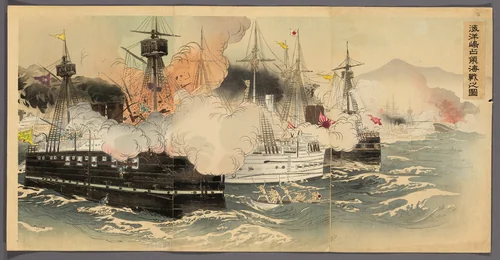
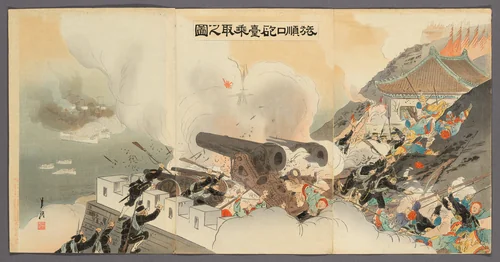
Gekko’s five-print series documenting the Sino-Japanese War (1894-1895) are particularly illustrative of his technical precision and narrative power during his most prolific period. Unlike earlier generations of artists who relied on historical fantasy, Gekko engaged directly with contemporary events, producing vivid, dynamic scenes such as Soldiers Fighting Furiously at Fenghuangcheng (Hoojo ni shoshi funto no zu) and the panoramic composition, The First Division Advancing on Fengtienfu (Daiichigun Hotenfu shingeki no zu). These works, which include the dramatic The Naval Battle and Capture of Haiyang Island (Kaiyoto senryo kaisen no zu), demonstrate Gekko’s mastery of composition under pressure, blending detailed reportage with the graphic demands of the woodblock medium. His repertoire was not strictly military; softer subjects, such as the contemplative Full Moon and Autumn Flowers by the Stream, showcase the lyrical draughtsmanship that characterized his wider output of historical subjects, genre scenes, and nature studies.
The enduring appeal of Ogata Gekko prints is reflected in their substantial presence in major Western institutions, including the Art Institute of Chicago, where examples of his military and landscape subjects are preserved. His work continues to define the standard for museum-quality late Meiji prints. Today, reproductions of many of his most important designs are accessible as downloadable artwork through various institutional collections, now falling into the public domain. The clear lines and dramatic compositions of Ogata Gekko paintings and his high-quality prints ensure his continuing reputation as a significant contributor to Japan’s visual culture at the turn of the 20th century.
Source: Wikipedia · CC BY-SA 4.0