Northern Italy
The designation "Northern Italy" refers not to a single artisan, but to a vast, highly sophisticated cultural and geographical center of textile innovation that flourished between the 17th and 19th centuries (1601-1801). This productive region encompasses the key economic and manufacturing hubs of the northwest, including Piedmont, Aosta Valley, Liguria, and Lombardy, alongside the historically powerful northeastern territories of Veneto and Emilia-Romagna. It was in these eight designated regions that a distinct and enduring tradition of decorative and liturgical fabric arts was perfected, serving the immense demands of aristocratic, mercantile, and ecclesiastical patrons across Europe.
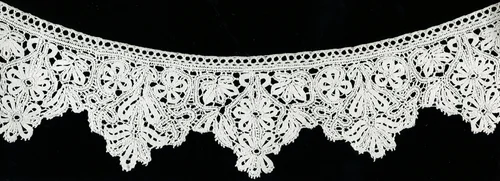
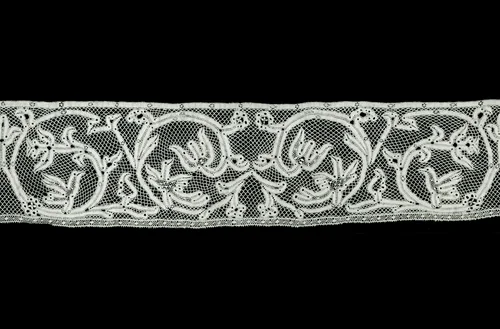
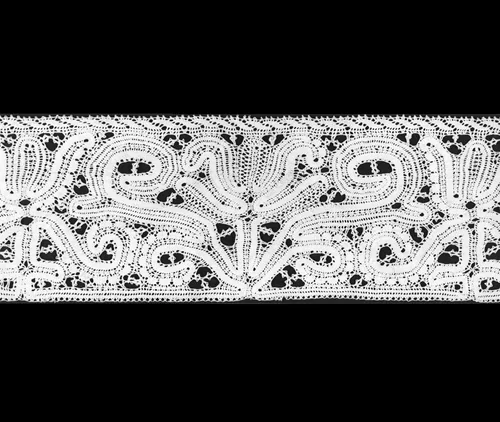
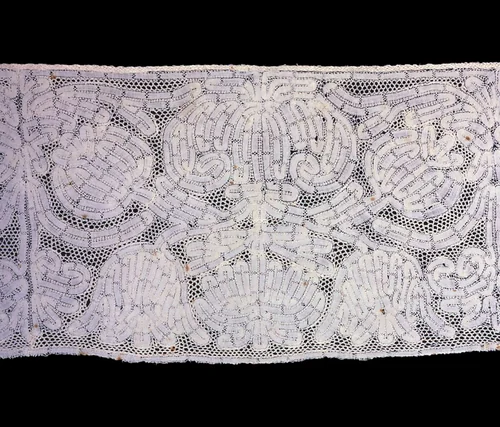
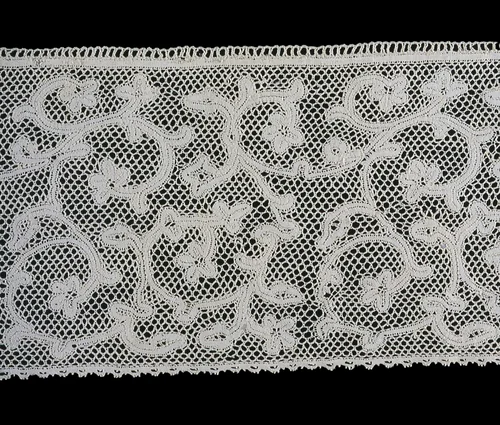
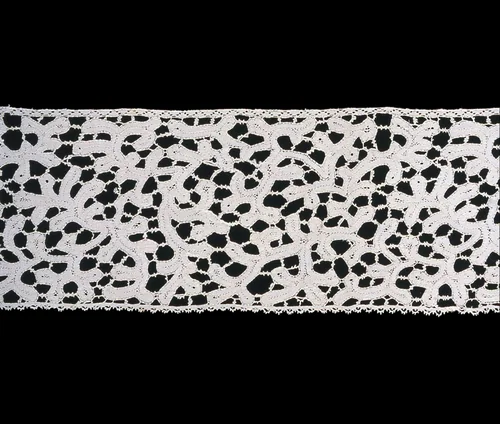
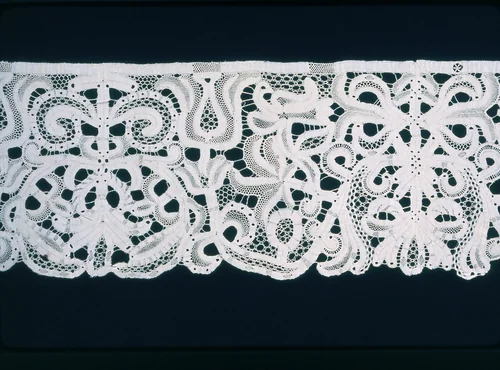
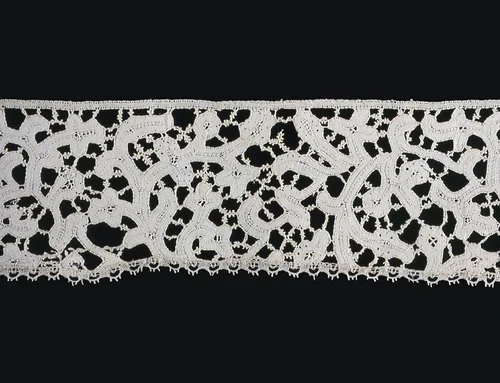
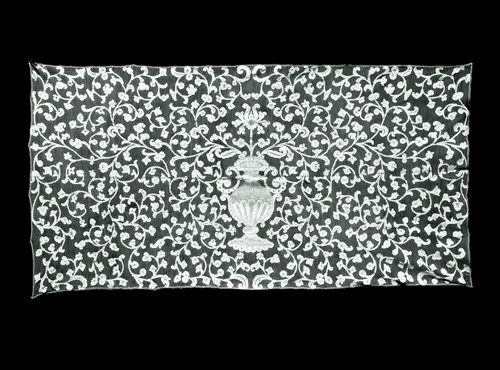
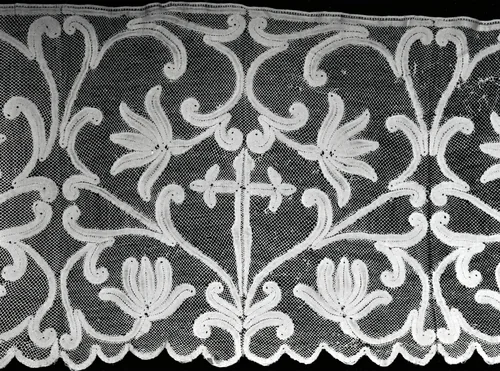
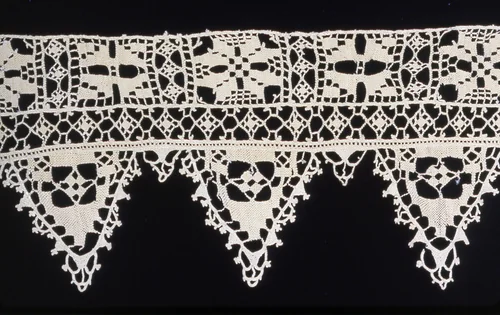
The enduring output associated with Northern Italy during this era comprises highly detailed, museum-quality textiles designed for architectural, ecclesiastical, or high-status domestic application. The eleven known works attributed to this region, held notably in the collections of the Art Institute of Chicago, demonstrate extraordinary technical precision. Examples, such as the several items designated simply as Border or the specialized Border (From a Cover), reveal mastery over complex weaving and embroidery techniques. These objects were instrumental in translating the shifting visual language of the era, from the three-dimensional, weighty splendor of the Baroque to the lighter, more fluid elegance of the Rococo.
Spanning two centuries of immense cultural change, the workshops of Northern Italy consistently dictated European fashion in both household linens and formal vestments. Though often cataloged anonymously under this broad regional heading, the collective skill represented suggests a network of highly sophisticated, competitive guilds, all working to a shared, exacting standard. It is perhaps one of the great understated triumphs of art history that such exquisite production remained geographically localized and conceptually dominant for such a significant period.
The legacy of the Northern Italian textile tradition rests on the consistently high standard of its output rather than on individual celebrity. Today, enthusiasts and scholars often seek out high-quality prints derived from similar decorative schemes, using the rich visual archive provided by pieces such as Fragments (From a Border). These complex, meticulously preserved works offer essential insights into early modern consumption and interior design, ensuring their continued relevance and availability as valuable downloadable artwork for research and contemporary appreciation.
Source: Wikipedia · CC BY-SA 4.0