North Italian Painter
The designation North Italian Painter refers to an unidentified artist or workshop active in Northern Italy across a span of nearly three centuries, roughly 1300 to 1597. This extended chronological range covers the transition from the late Medieval period through the Early Renaissance and into the Late Renaissance and Mannerist styles.
Eight paintings attributed to this designation are represented in major international collections, underscoring the importance of these North Italian Painter paintings in art historical surveys. Notably, the Metropolitan Museum of Art holds several key examples of these works.
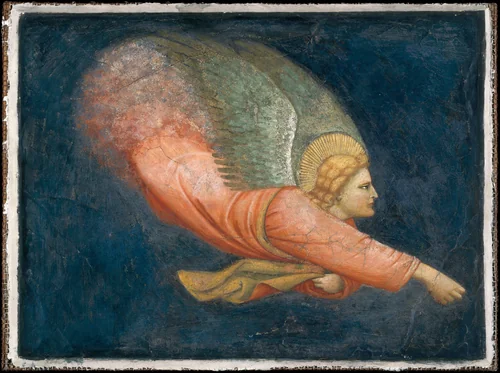
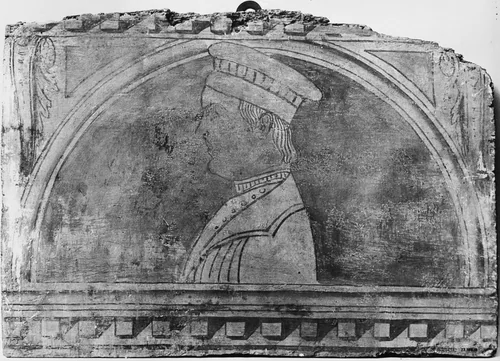
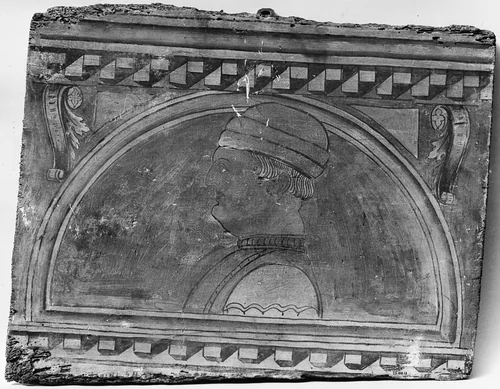
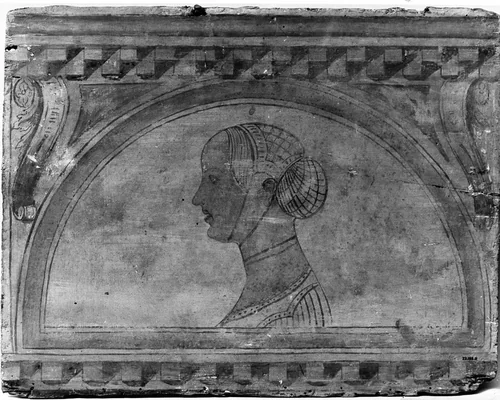
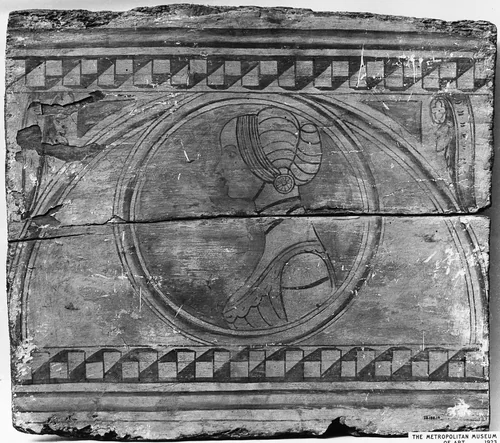
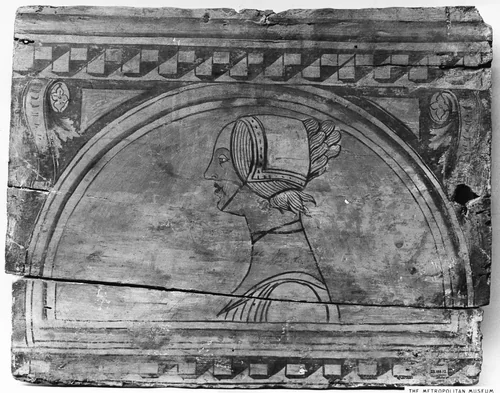
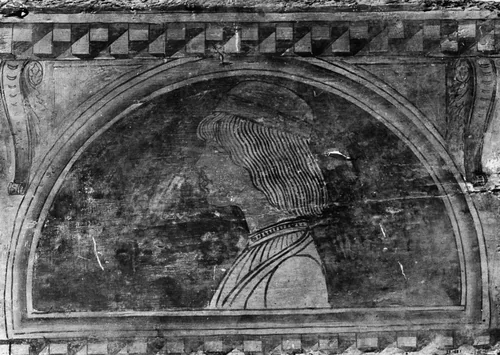
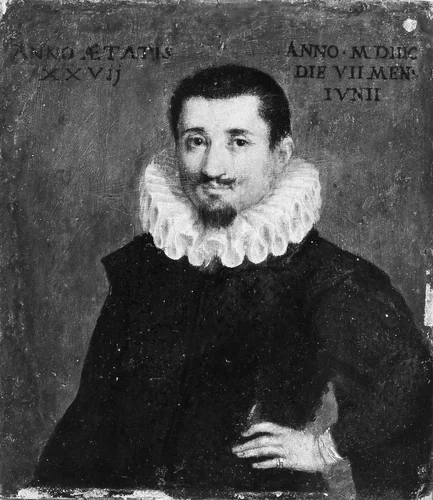
The represented works often consist of studies or fragments, suggesting they may have been parts of larger altarpieces, frescoes, or comprehensive decorative programs. Documented examples include the religious fragment Two Angels, along with several individual figure studies such as two examples titled Head of a man and two identified as Head of a woman.
Many of these historic compositions are now considered part of the public domain, ensuring their continued accessibility for scholarly research and appreciation. As foundational pieces of European art history, high-quality prints of these figures are frequently utilized for educational purposes and display.