Nina de Garis Davies
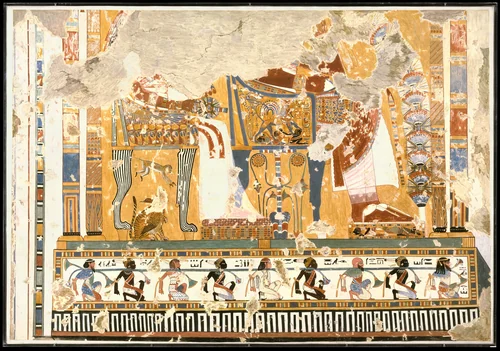
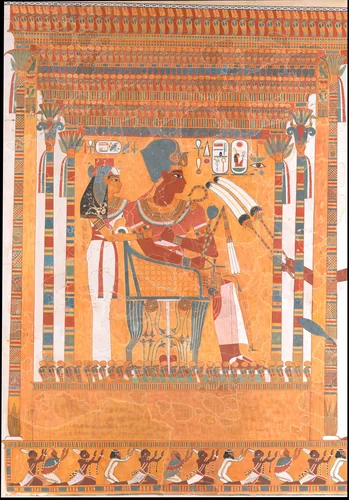
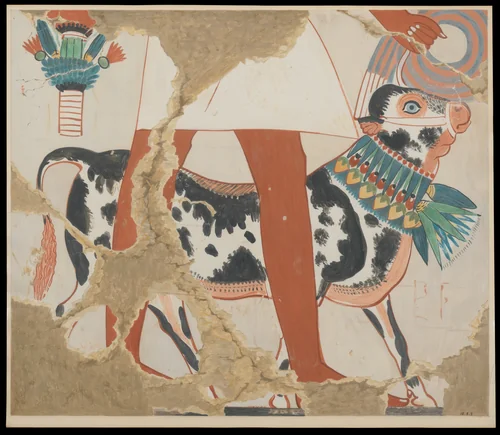
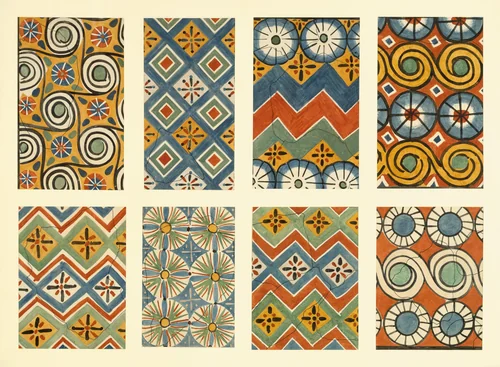
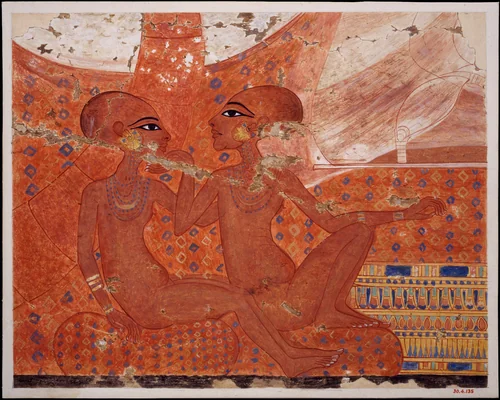
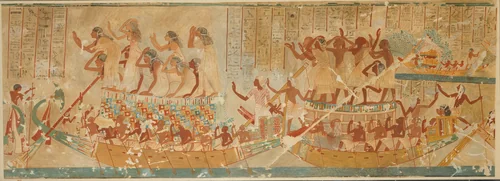
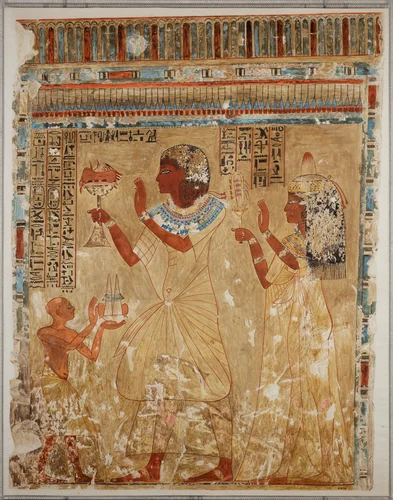
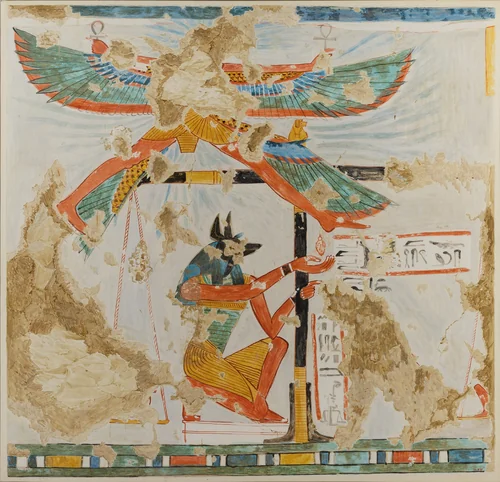
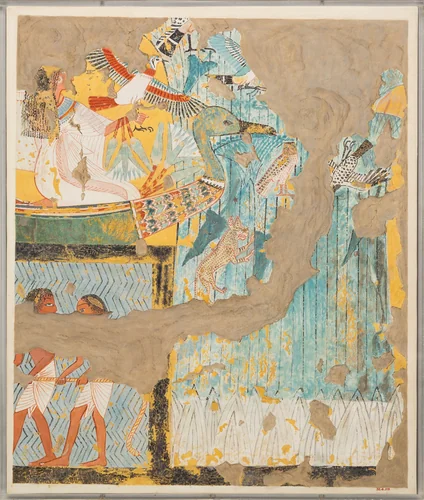
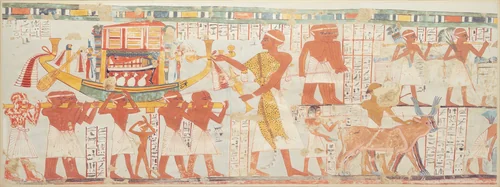
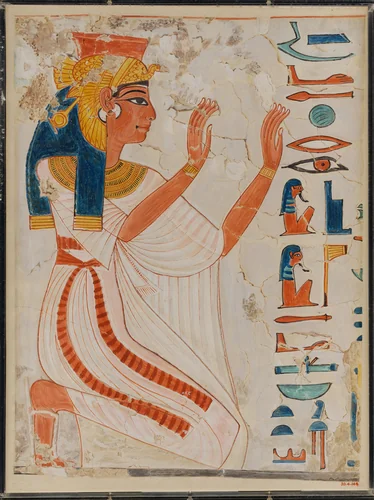
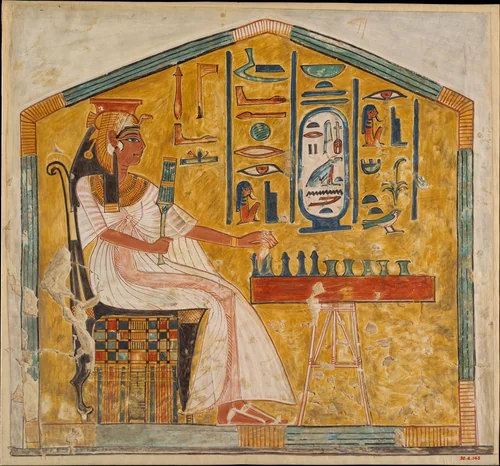
Nina de Garis Davies was a meticulous illustrator and copyist whose pioneering work in the early twentieth century preserved some of the most vibrant wall paintings of ancient Egypt’s New Kingdom. Working alongside her husband, Norman de Garis Davies, the couple established the foundational visual record for numerous non-royal tombs in the Theban Necropolis, many of which have since suffered significant deterioration. Their documentation methods went beyond simple tracing, capturing the subtle nuances, color shifts, and minute damages inherent in the millennia-old frescoes. This critical body of work, often published under the unified name N. de Garis Davies, forms an indispensable archive, safeguarding ephemeral art for scholarly study.
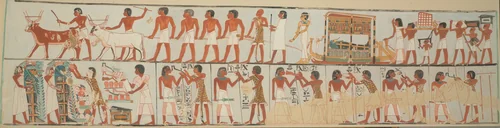
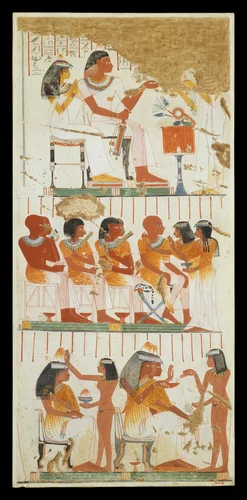
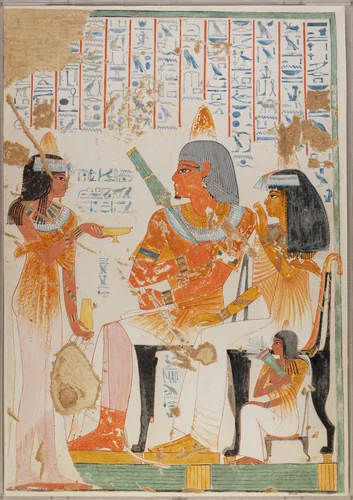
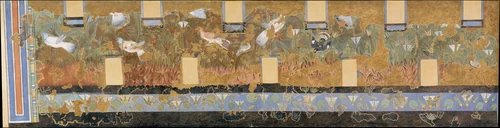
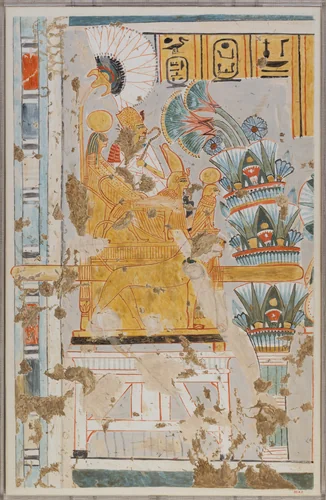
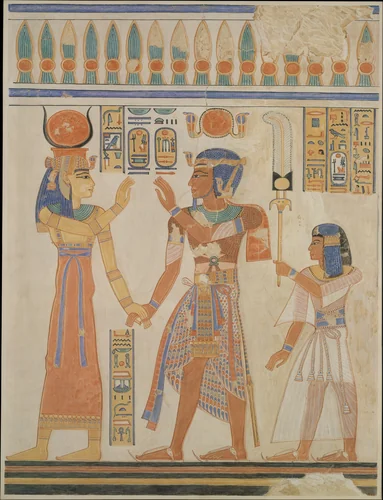
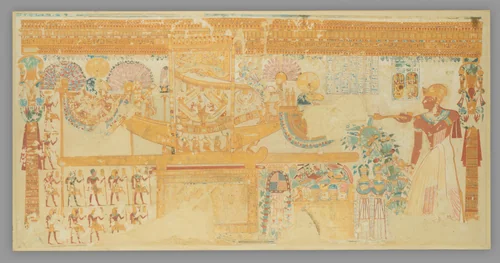
The challenge inherent in their joint endeavor is determining the individual hand behind each illustration, though the output remains consistently of the highest standard. Nina de Garis Davies’s technical precision is evident in studies such as Detail of a Griffin, Tomb of Khety, and the astonishingly complex narrative captured in Laden Donkeys and Ploughing, Tomb of Djar. These reproductions are celebrated not just for their archaeological precision, but for their profound artistic merit, transforming fragile, decaying originals into enduring museum-quality documents. The resulting Nina de Garis Davies prints provide an unprecedented window into ancient life and funerary ritual, showcasing everything from the domestic scene of Women Preparing Food, Tomb of Djari to intricate natural history observations, such as Detail of a Desert Animal, Tomb of Khnumhotep.
The Davies’s methodology set the benchmark for subsequent generations of fieldwork. Their commitment to accessibility ensured that much of this foundational graphic work eventually entered the public domain, allowing countless scholars and enthusiasts to study these fragile monuments without direct physical access. A remarkable element of their collaboration, perhaps a small testament to their professional harmony, is the near-impossibility of definitively separating their respective contributions; they achieved a unique, singular artistic voice in their shared pursuit of Egyptological accuracy. This collective visual documentation continues to serve as the principal resource for understanding the art of the New Kingdom, particularly for pieces housed in institutions like the Metropolitan Museum of Art.
Source: Wikipedia · CC BY-SA 4.0