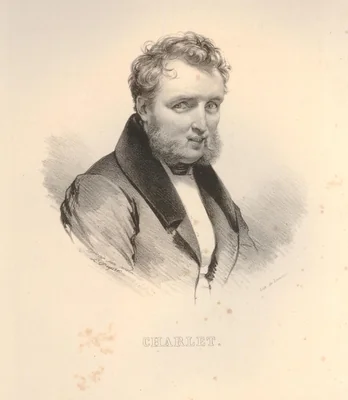
Nicolas Toussaint Charlet
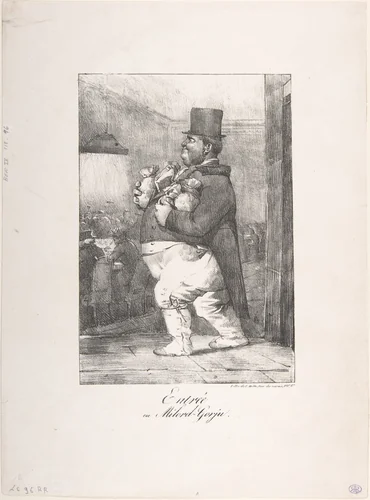
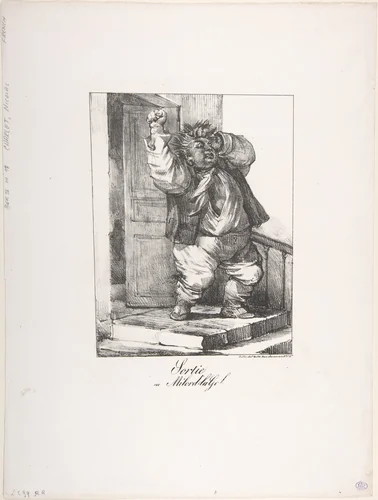
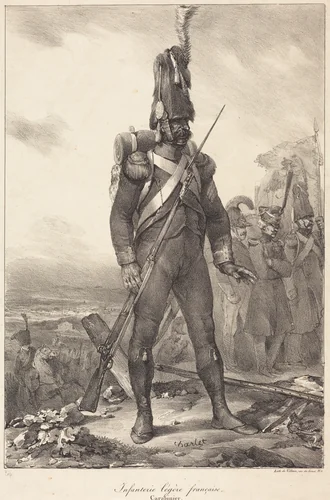
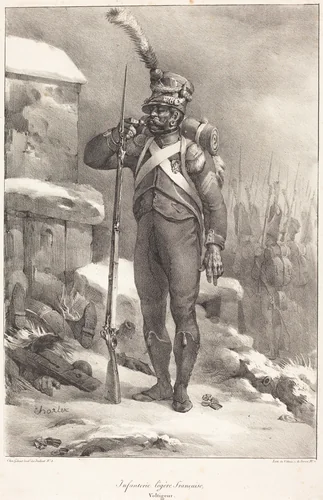
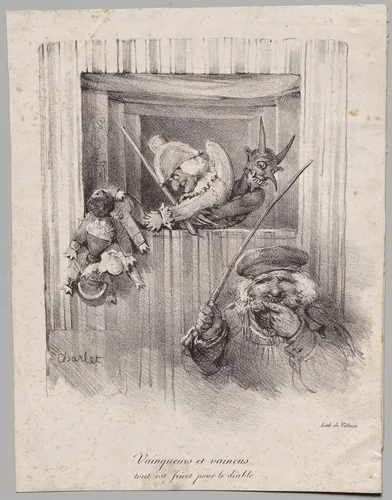
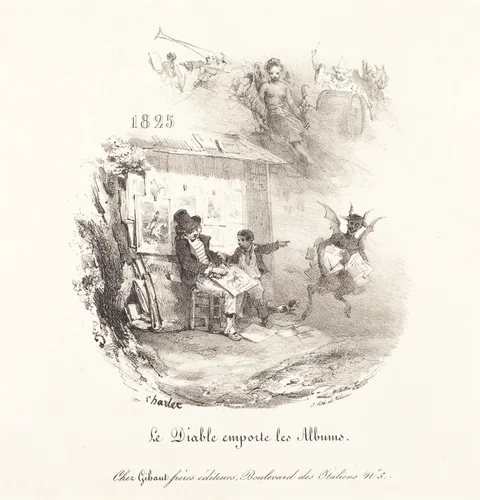
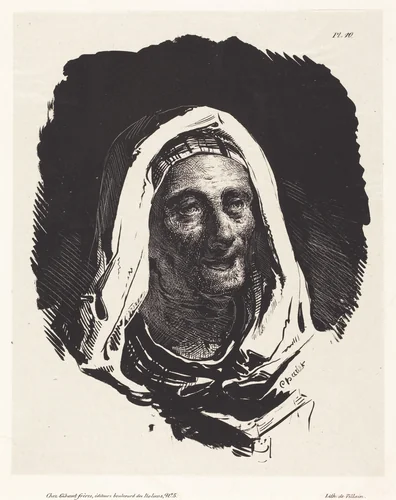
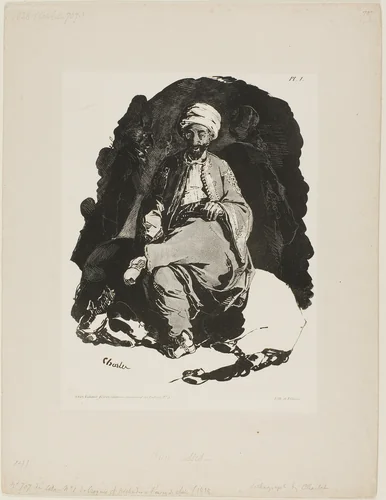
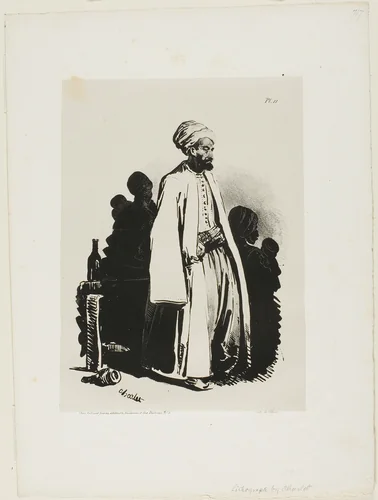
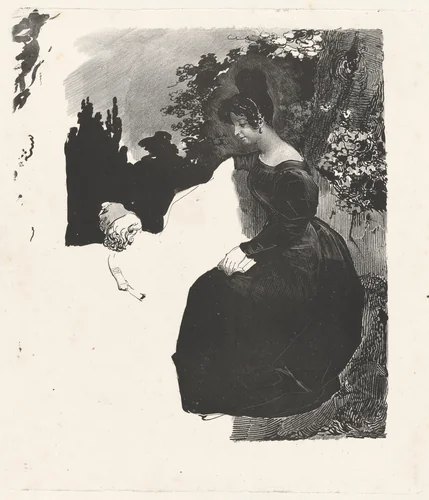
Nicolas-Toussaint Charlet (1792-1817) was a highly focused French painter and printmaker whose brief but potent career coincided with the zenith and immediate decline of the Napoleonic era. Primarily recognized as a specialist in military subjects, Charlet documented the realities of the First Empire through observational drawings and the accessible medium of printmaking, a choice that amplified the circulation of his work among a public eager for visual records of the era’s constant conflict.
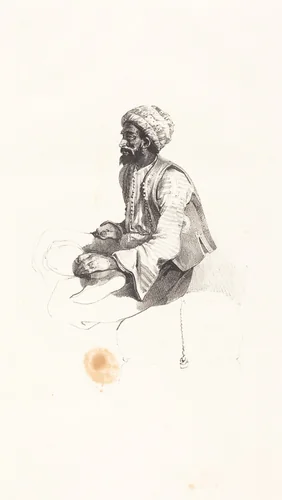
While many contemporary artists elevated the glory of commanders, Charlet often turned his attention to the experience of the common soldier, rendering scenes of bivouac, march, and engagement, such as the generalized but dynamic Battle Scene. His extant catalog, though concise, reveals a mastery of line and composition, consisting of approximately a dozen known prints and several foundational drawings. This preference for small-scale, detailed work ensured that his depictions, whether of martial life or quotidian existence, carried a powerful immediacy.
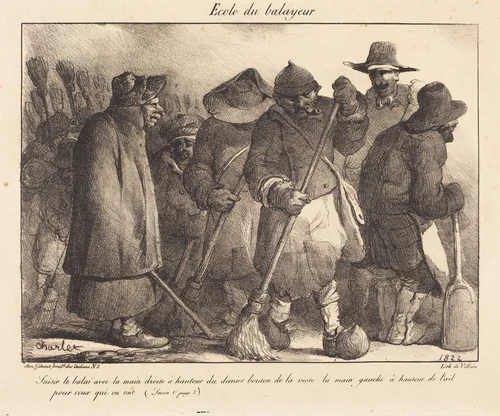
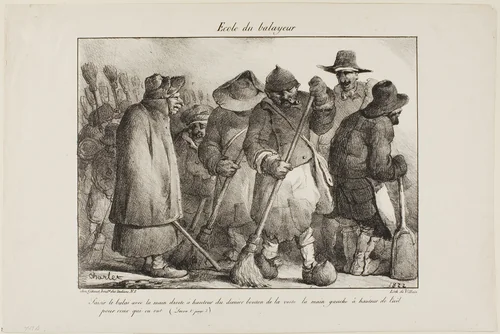
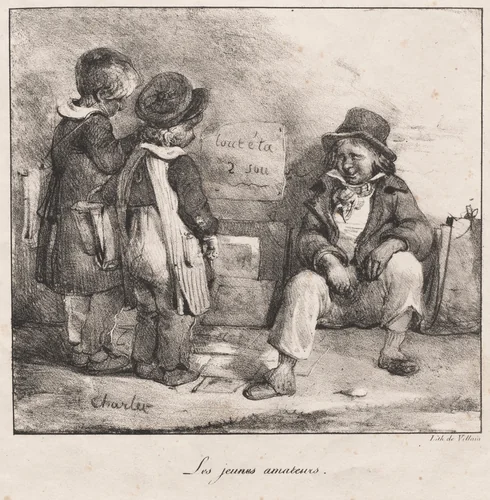
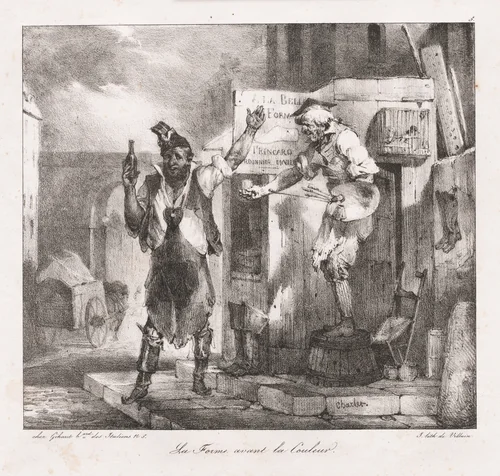
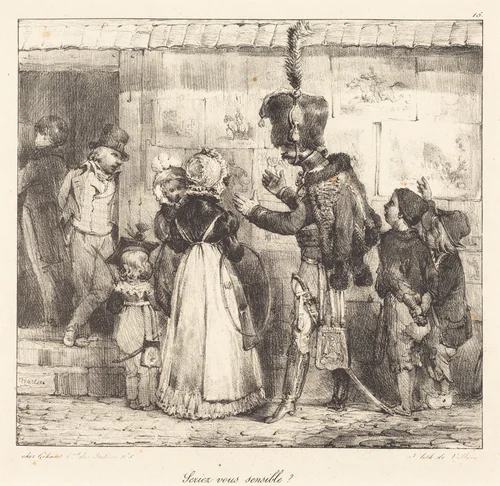
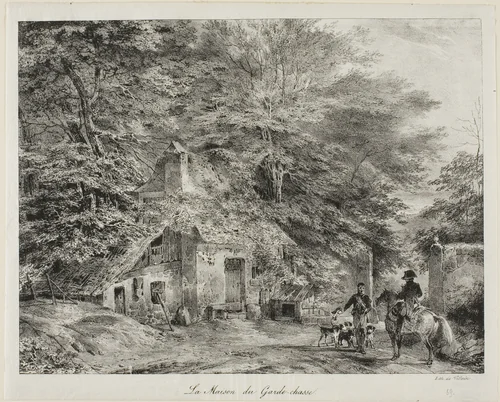
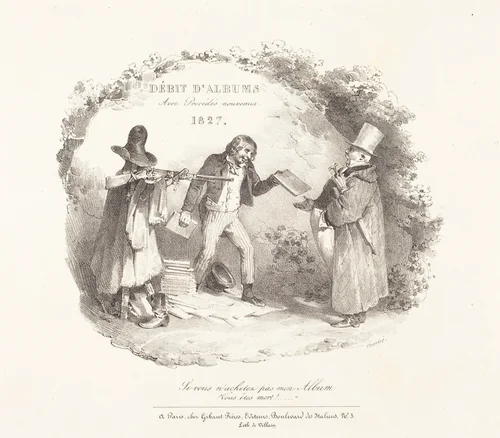
Charlet’s subject matter was not limited to the battlefield. He displayed a keen sensitivity to genre scenes, creating works that balanced emotional depth with anecdotal charm. Pieces like L'Aumône highlight the artist’s ability to capture intimate domestic or civic interactions away from the noise of war. Intriguingly, his depiction of The Sign Painter (Le Peintre d'Enseignes) offers a sophisticated, subtle commentary on the demands and sometimes humorous reality of commercial artistry in early nineteenth-century France.
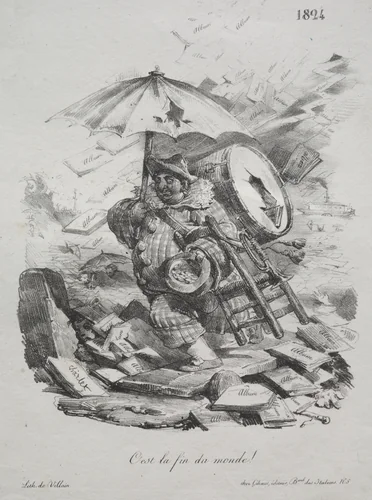
Despite his relatively short period of activity, Charlet achieved significant institutional recognition. Examples of Nicolas Toussaint Charlet prints and drawings are held in prestigious international collections, including the Rijksmuseum, the Metropolitan Museum of Art, and the Art Institute of Chicago, demonstrating their status as museum-quality historical documents. The clarity and historical resonance of these works ensure that many of his finest etchings are now housed within the public domain, making high-quality prints and downloadable artwork readily accessible for study and appreciation worldwide. Charlet’s legacy lies in his concise and enduring visual record of an epoch defined by transformation, viewed through the lens of both its grand conflicts and its humble daily routines.
Source: Wikipedia · CC BY-SA 4.0