Nicolas Pitau
Nicolas Pitau, also known historically as Pittou the Senior, occupies a significant, if understated, position within the history of 17th-century European graphic arts. A Flemish-born French engraver and printmaker, Pitau’s six-decade career spanned the crucial transition from the Mannerist echoes of the late 1610s into the full maturity of the Baroque style. Active from approximately 1620 until 1685, his sustained output solidified the role of the master engraver in disseminating religious and courtly imagery throughout continental Europe.
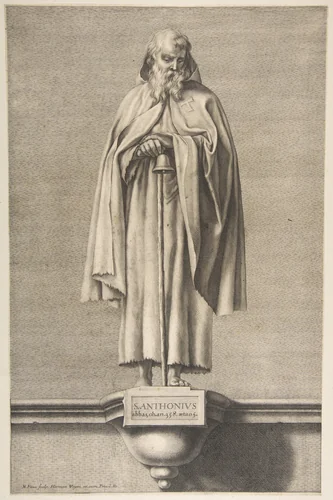
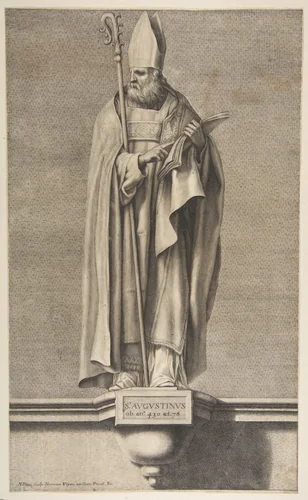
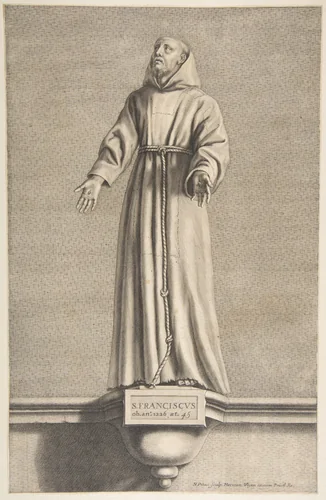
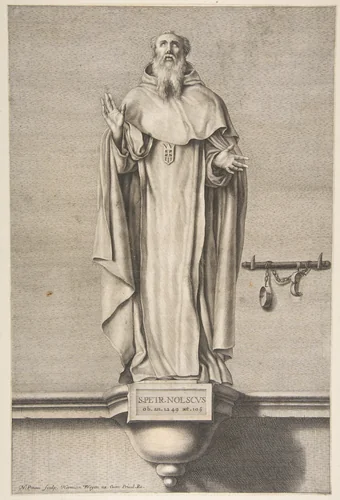
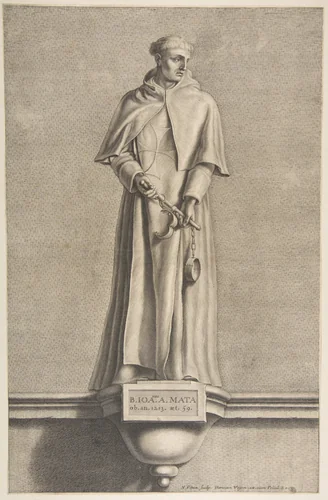
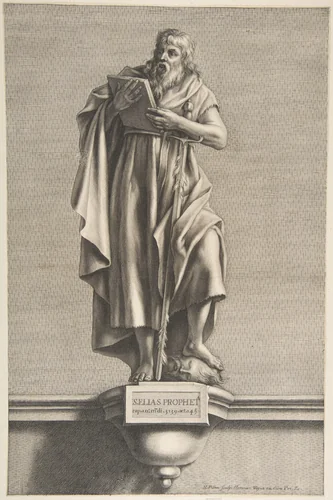
Working primarily in the exacting medium of engraving, Pitau specialized in producing refined and meticulous compositions, often focusing on devotional studies of Christian saints and theological figures. These works, including meticulously detailed plates such as St. Anthony, St. Augustine, St. Peter Nolscus, and The Blessed John Mata, provided readily accessible visual representations essential to the Counter-Reformation visual culture. His technical proficiency allowed for the wide circulation of complex artistic ideas, serving as a vital link between major painting studios and the wider public.
It is remarkable that Pitau’s working life stretched across 65 years. This extraordinary longevity, particularly within the commercially demanding structure of the 17th-century print market, suggests not a volatile genius, but rather a profoundly steady and reliable practitioner whose output remained consistently relevant through shifting artistic tastes. This quiet professionalism secured his legacy in major institutional holdings; his original works are conserved in collections worldwide, including the Metropolitan Museum of Art.
Today, the continuing study of his œuvre relies heavily on the quality and accessibility of his printed legacy. Scholars frequently consult these historical documents, appreciating the enduring sharpness of line evident in early impressions of Nicolas Pitau prints. As many of these images now reside in the public domain, they offer rich sources for academic study and are frequently available as downloadable artwork, ensuring that the work of this highly productive Flemish-French master remains visible nearly four centuries later.
Source: Wikipedia · CC BY-SA 4.0