Nicolas Noël Boutet
Nicolas-Noël Boutet (active 1770-1772, as designer) stands as a foundational figure in the history of sophisticated French arms production, occupying a singular position between fine arts design and industrial leadership. Operating first as a master gunsmith and bladesmith, Boutet later assumed the prestigious and administratively demanding role of director of the Versailles state arms factory. During his remarkable tenure in this capacity, more than 600,000 weapons were produced, reflecting a staggering output matched by few of his contemporaries. This rare dual expertise in large-scale manufacture and bespoke ornamentation defines his unique contribution to the decorative arts of the late eighteenth and early nineteenth centuries.
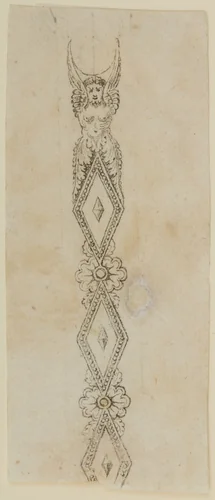
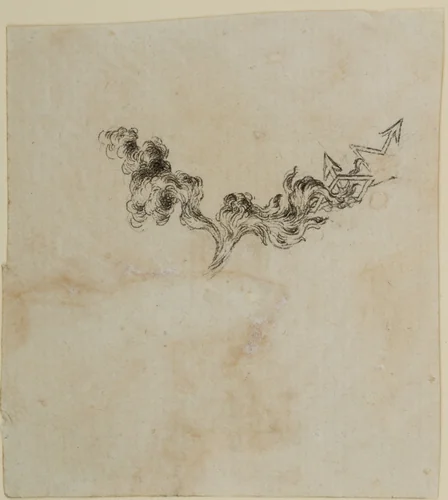
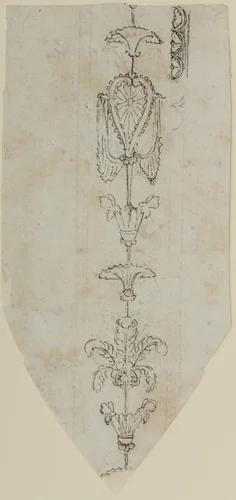
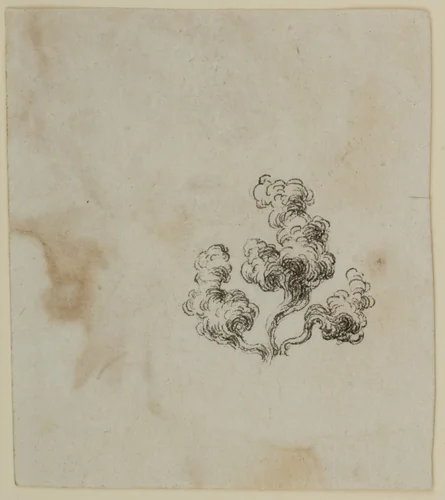
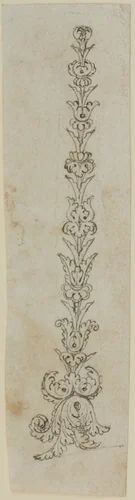
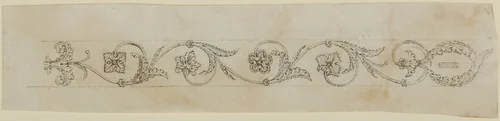
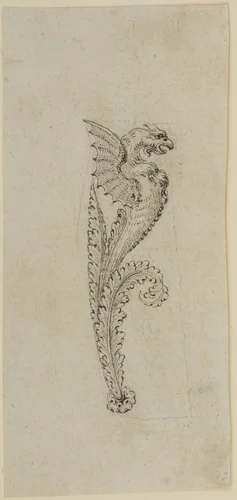
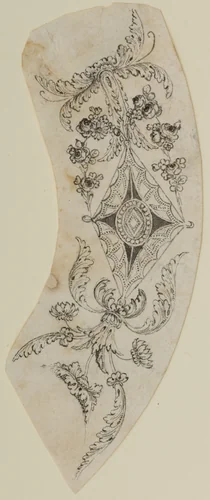
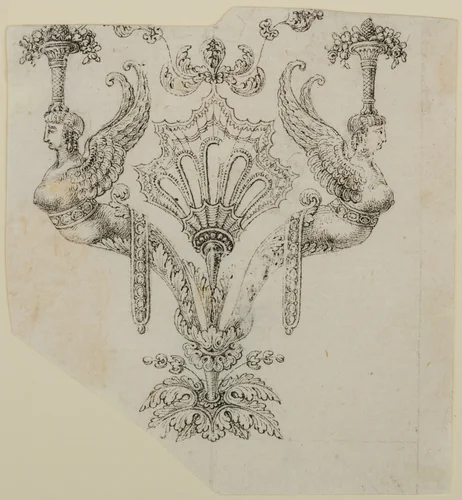
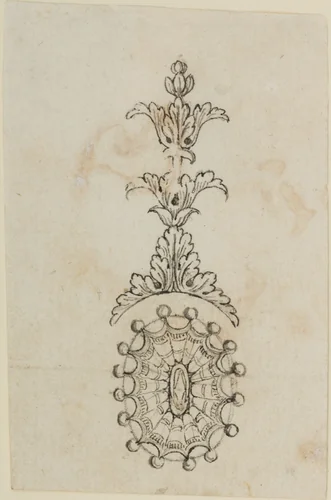
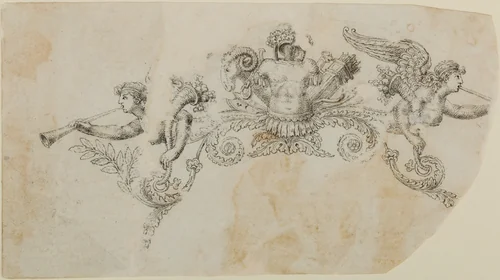
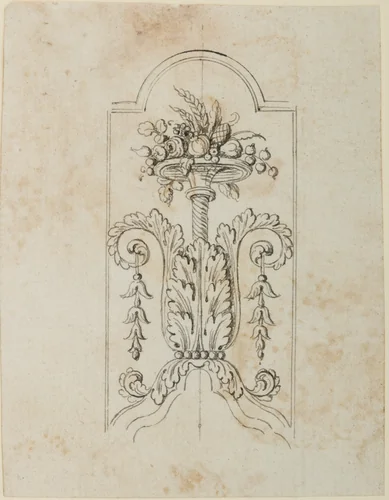
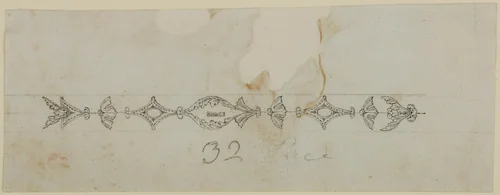
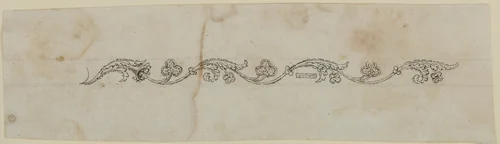
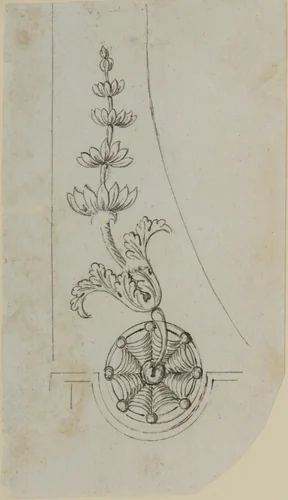
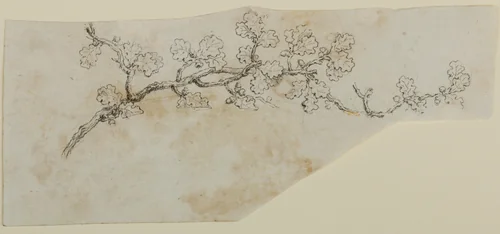
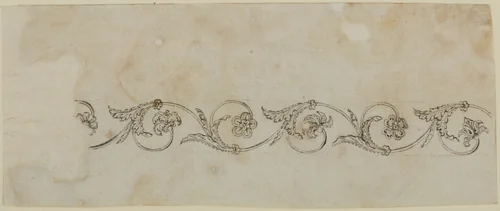
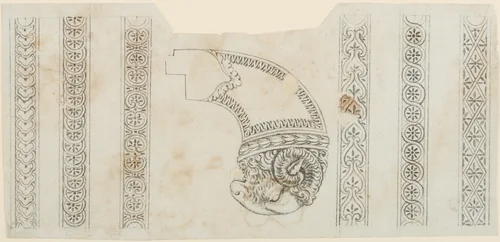
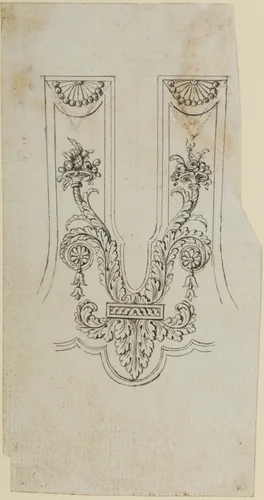
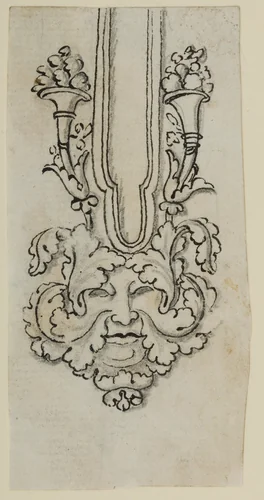
While Boutet's enduring legacy rests heavily on his institutional production, his surviving body of design work offers essential insight into the level of artistic planning applied to these utilitarian objects. Fifteen known drawings, active primarily in the 1770s, demonstrate his skill as a dessinateur specializing in applied ornamentation. Works such as Design for the Decoration of Firearms and Design for the Decoration of a Gun Stock reveal classical motifs, highly detailed scrollwork, and a rigorous attention to aesthetic structure. These designs successfully elevate military and hunting instruments beyond mere utility, transforming them into examples of courtly display and museum-quality craftsmanship.
It is perhaps the most fascinating aspect of Boutet’s career that he managed to maintain this standard of high artistic execution while overseeing unprecedented industrial volume. He navigated the tumultuous political shifts surrounding the French Revolution, remaining indispensable whether serving the monarchy or the Republic, a testament to his unparalleled technical and administrative skills. Today, the meticulous precision visible in his original studies, held in major institutions like the Metropolitan Museum of Art, continues to influence designers and historians alike. Researchers frequently utilize the availability of high-quality prints of his work, which are increasingly found as downloadable artwork made accessible to the public domain. His designs remain crucial documents for understanding the fusion of luxury and function in the Neoclassical period.
Source: Wikipedia · CC BY-SA 4.0