Nicolas de Plattemontagne
Nicolas de Plattemontagne, originally known as Nicolas Van Plattenberg, was a pivotal French artist of the mid-seventeenth century. Active across the transitional period spanning 1645 to 1666, he achieved distinction both as a painter and a prolific engraver. The complexity of his identity is reflected in records that cite him variously as La Montagne, Montagne, and Montaigne, a quartet of appellations that only slightly obscures a remarkably consistent artistic output.
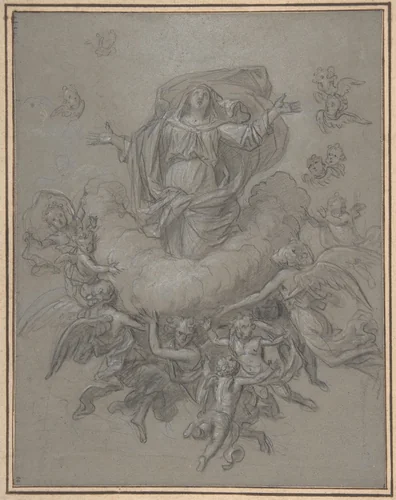
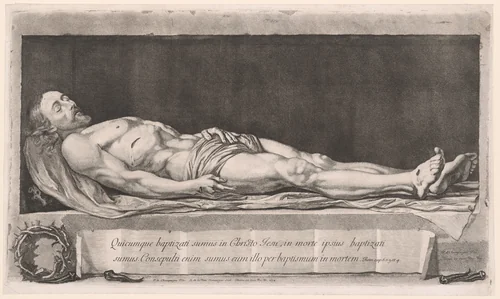
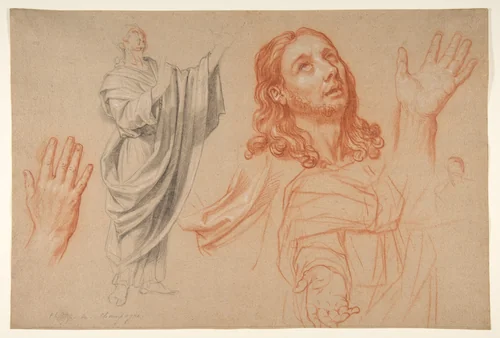
While comprehensive records of his large-scale paintings are limited, the surviving body of his graphic work demonstrates a powerful command of the classical Baroque idiom prevalent in France. His rigorous attention to human form and emotional narrative is evident across devotional subjects such as The Assumption of the Virgin and the stark, emotive rendering of The Dead Christ Lying in the Sepulchre. These works reveal a commitment to dramatic yet measured storytelling, characteristic of the era’s academic training.
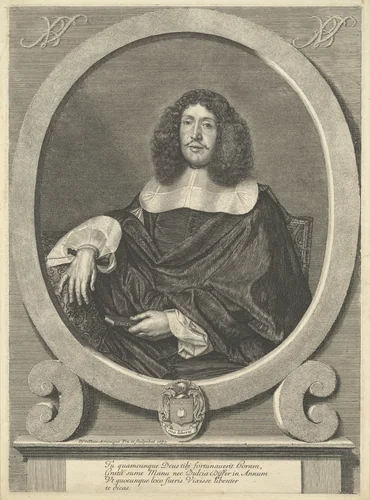
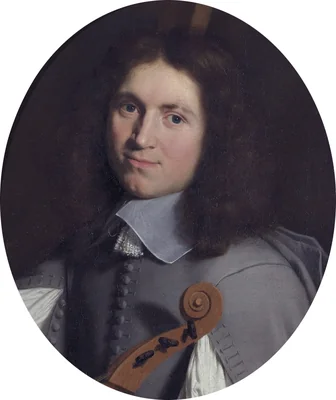
Equally important for understanding his process are the surviving preparatory studies, which offer rare insight into his meticulous methodology. The detailed graphite and chalk studies for major compositions, notably Studies for 'The Conversion of the Jailer before Saint Paul and Silas', showcase his sophisticated skill in arranging complex figural groups within theatrical perspectives. This precision is also observed in the subtle portraiture drawing, Vincent Barthélémy, demonstrating his facility with both religious narrative and individual character study.
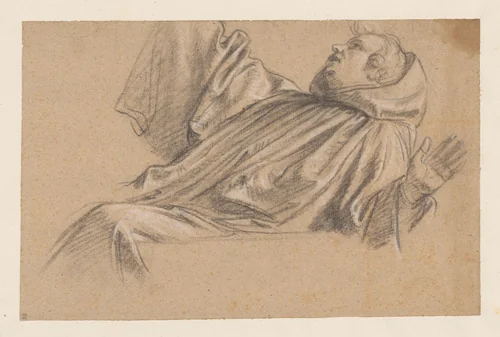
It is perhaps an understated observation that an artist who worked under four different monikers left behind works with such singular focus, even in the case of the compellingly descriptive drawing Studie voor de monnik Placidus die uit het water wordt gered. Plattemontagne’s enduring significance is confirmed by the presence of his drawings and prints in premier international institutions, including the National Gallery of Art, the Metropolitan Museum of Art, and the Rijksmuseum. Because these historic graphic works are increasingly in the public domain, they remain vital for contemporary art historical study. The careful, detailed technique seen in the surviving Nicolas de Plattemontagne prints ensures that high-quality prints and reproductions continue to be valued for their archival and artistic merit.
Source: Wikipedia · CC BY-SA 4.0