Nicolas Cochin
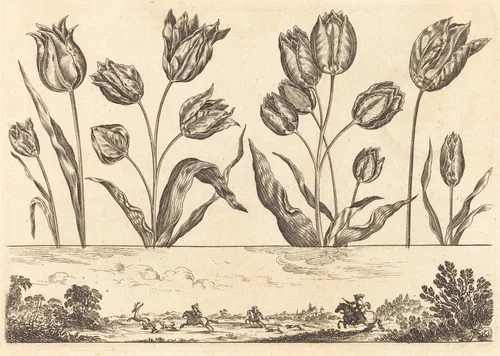
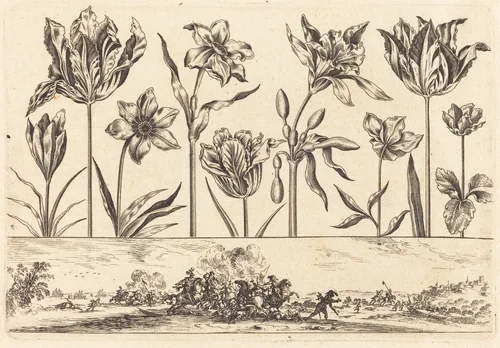
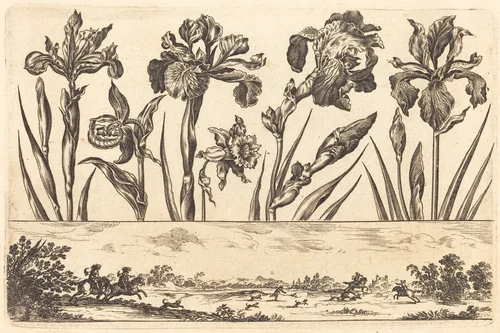
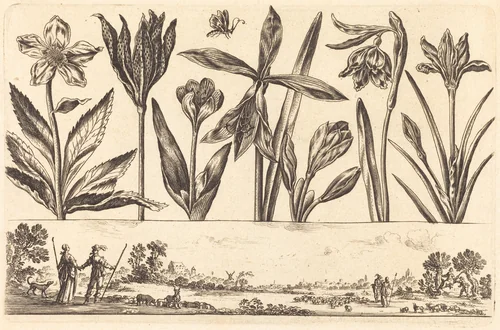
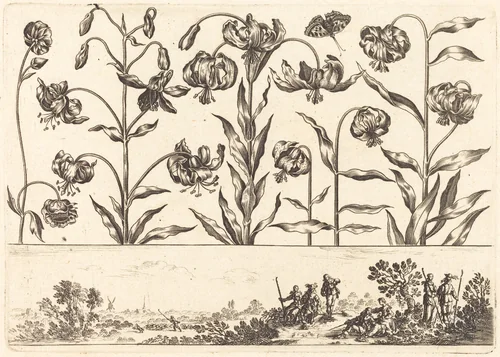
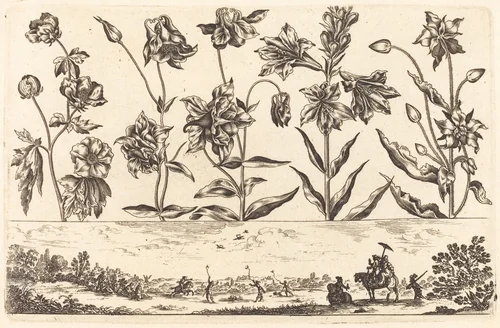
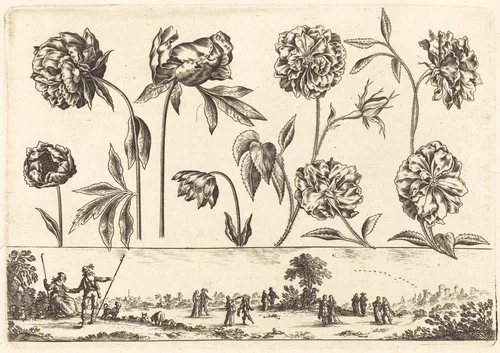
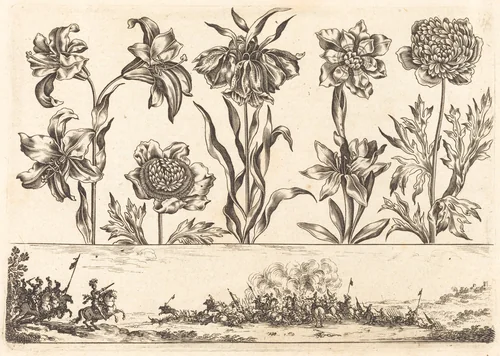
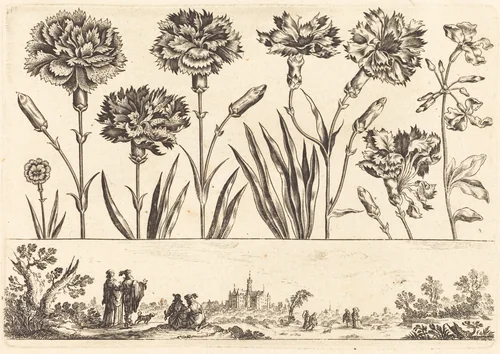
Nicolas Cochin, known historically as Cochin the Elder (1610-1686), was a foundational figure in French topographical engraving, whose extensive output chronicled military and religious life during the transition from the Baroque classicism of Louis XIII to the grand narrative of Louis XIV’s court. Born in Troyes, the son of a painter, Cochin established himself in Paris around 1635, dedicating his practice primarily to the demanding craft of printmaking and draughtsmanship.
Cochin developed a specialized skill set rooted in the depiction of small figures, which he grouped and delineated with remarkable animation, suggesting a keen interest in the intricacies of crowd dynamics and human movement within a scene. While his early approach shows an awareness of the dramatic precision mastered by Jacques Callot, Cochin elected to follow the more graceful, Italianate model provided by Stefano della Bella, translating several of della Bella's preparatory drawings into etchings. This blend of northern technical precision and southern elegance characterizes his finest work, including religious iconography such as the stark series on The Passion of Christ.
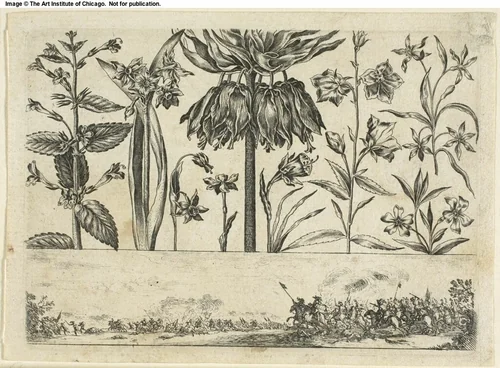
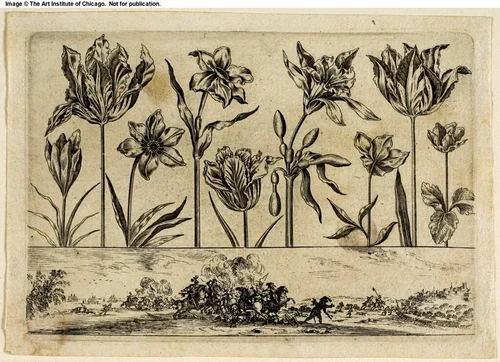
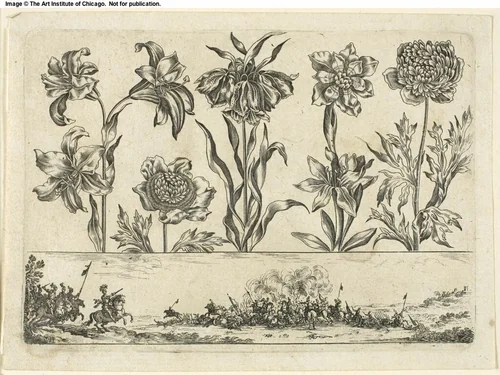
His primary specialization, however, was in detailed military and descriptive topography. Cochin successfully rendered hundreds of subjects depicting battles, sieges, and elaborate encampments, demanding both artistic skill and documentary accuracy. This mastery of descriptive precision led to his most monumental undertaking: the plates illustrating Glorieuses Conquêtes de Louis le Grand, often referred to simply as the "Grand Beaulieu." This significant project, published between 1676 and 1694, cemented Cochin’s reputation. His joint effort with Jean Frosne on the Siege of Arras, which required sixteen separate plates to capture the full scope of the event, remains a high watermark of seventeenth-century collaborative printmaking.
Nicolas Cochin prints are celebrated today for their historical detail and technical consistency. Cochin’s ability to execute complex compositions at a manageable scale secured his legacy among Parisian engravers. His works are held in premier institutions, including the Metropolitan Museum of Art and the National Gallery of Art, providing invaluable public domain resources for the study of military history and graphic art during the French Golden Age.
Source: Wikipedia · CC BY-SA 4.0